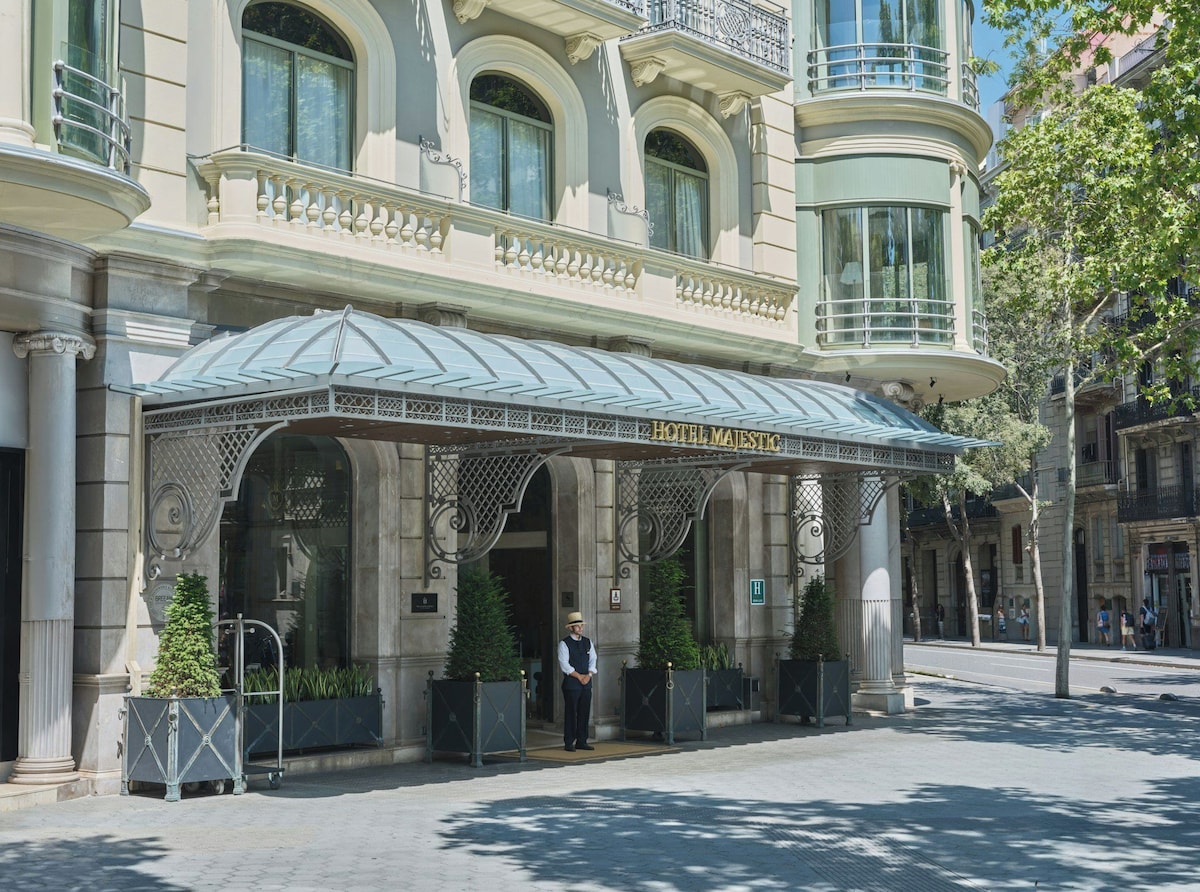
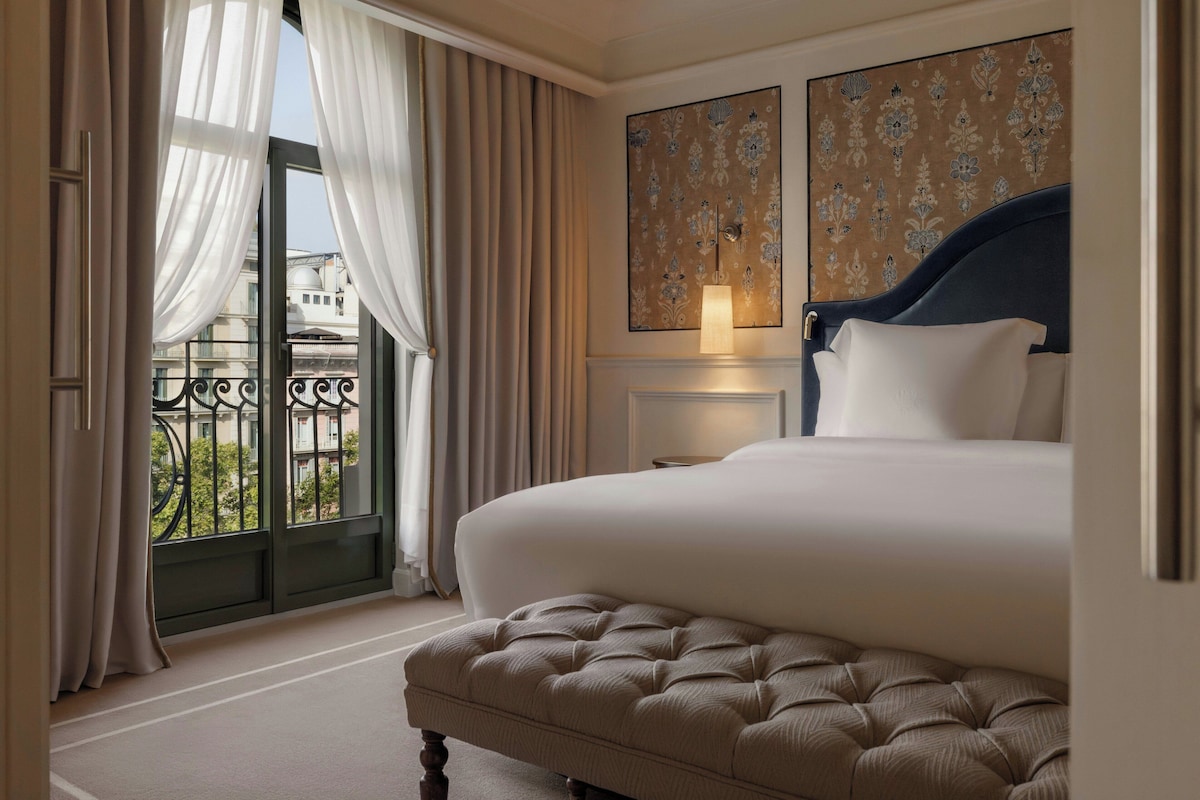
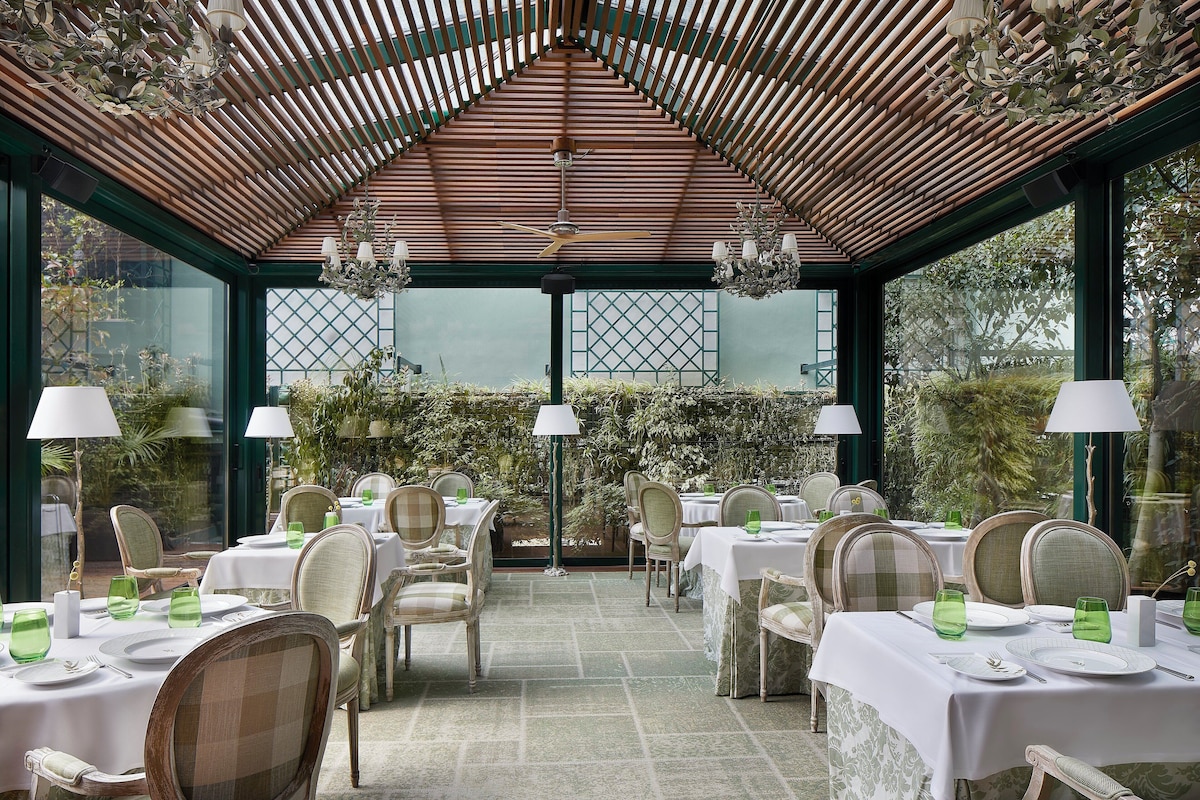
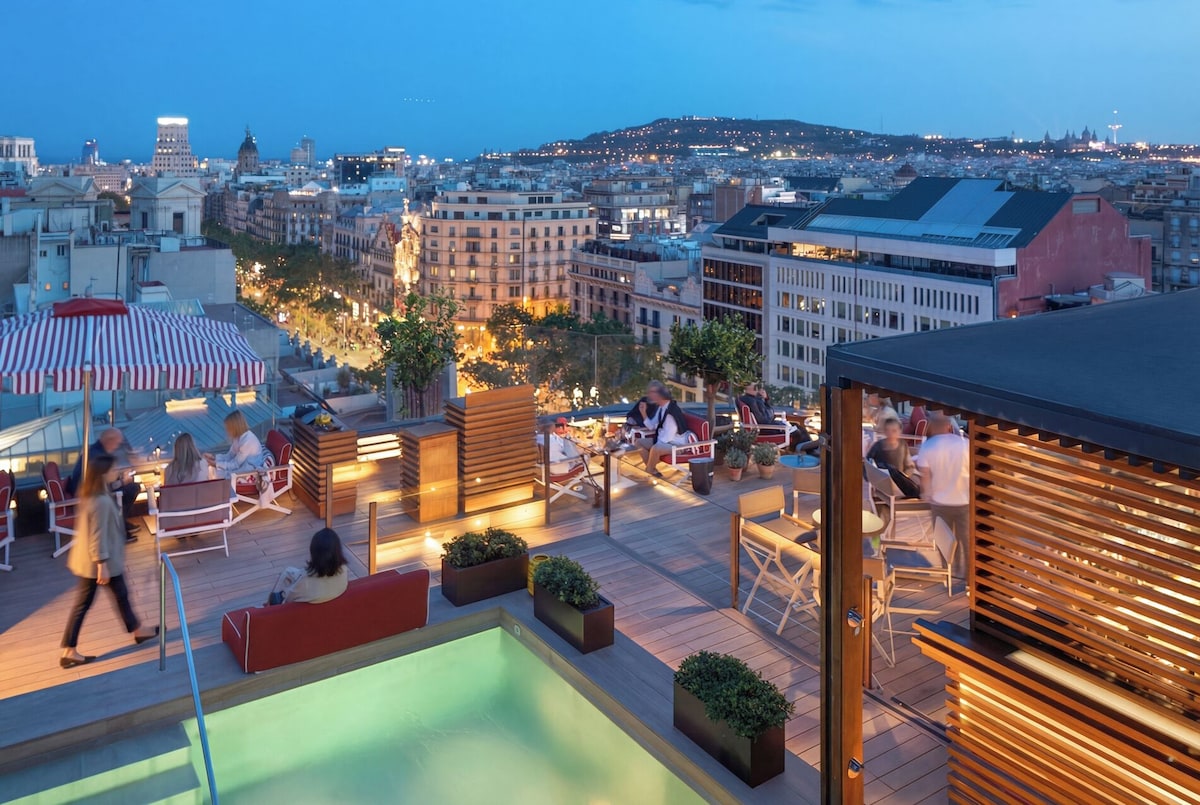
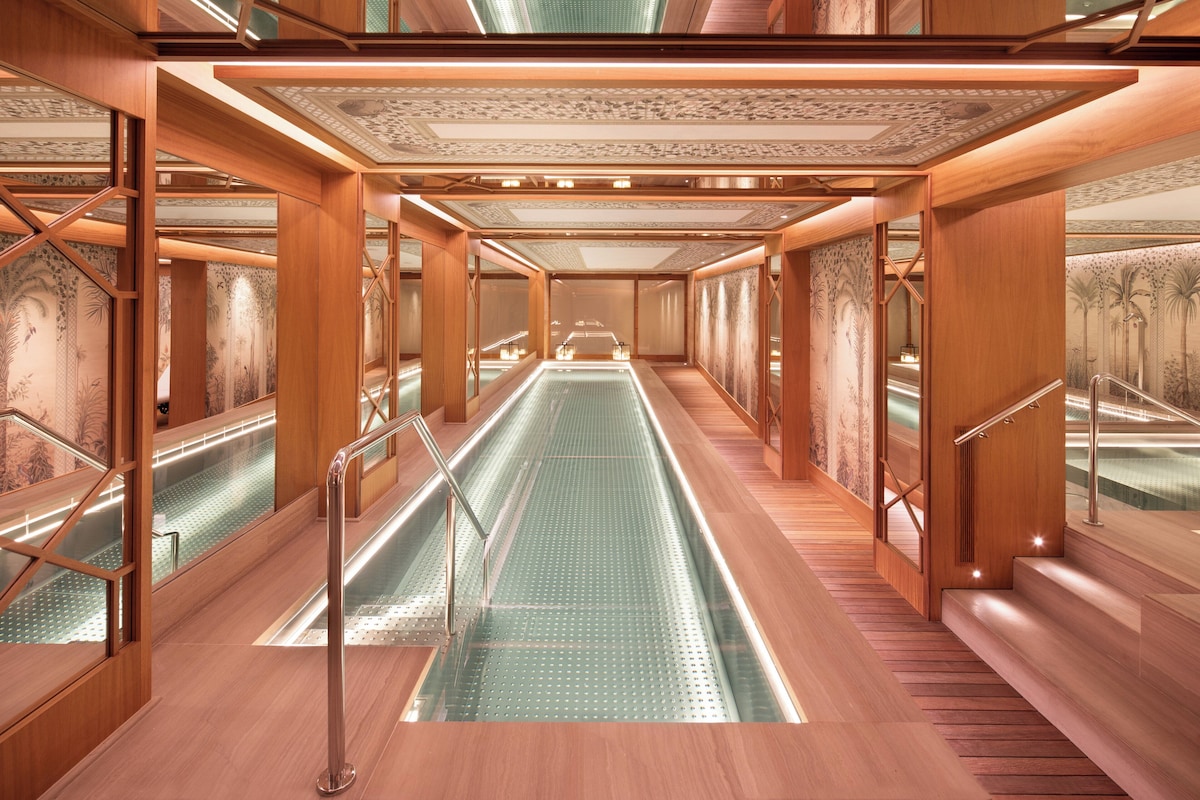
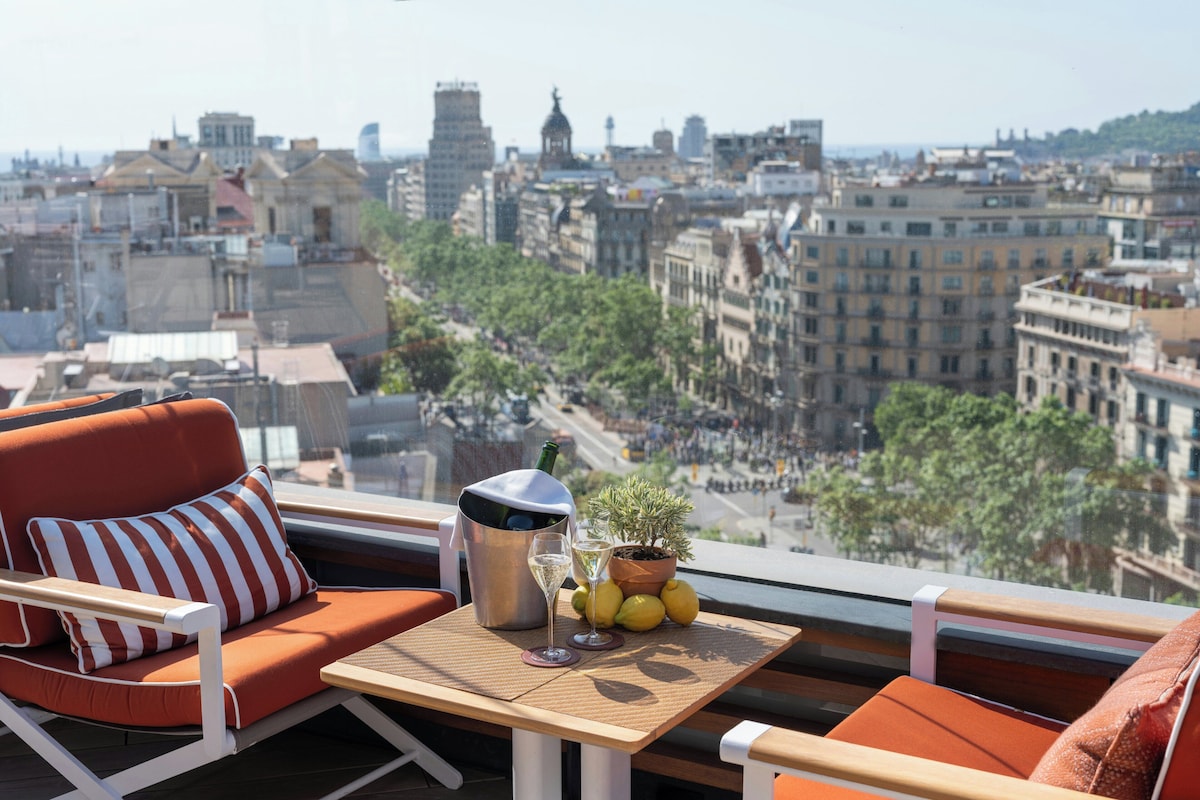
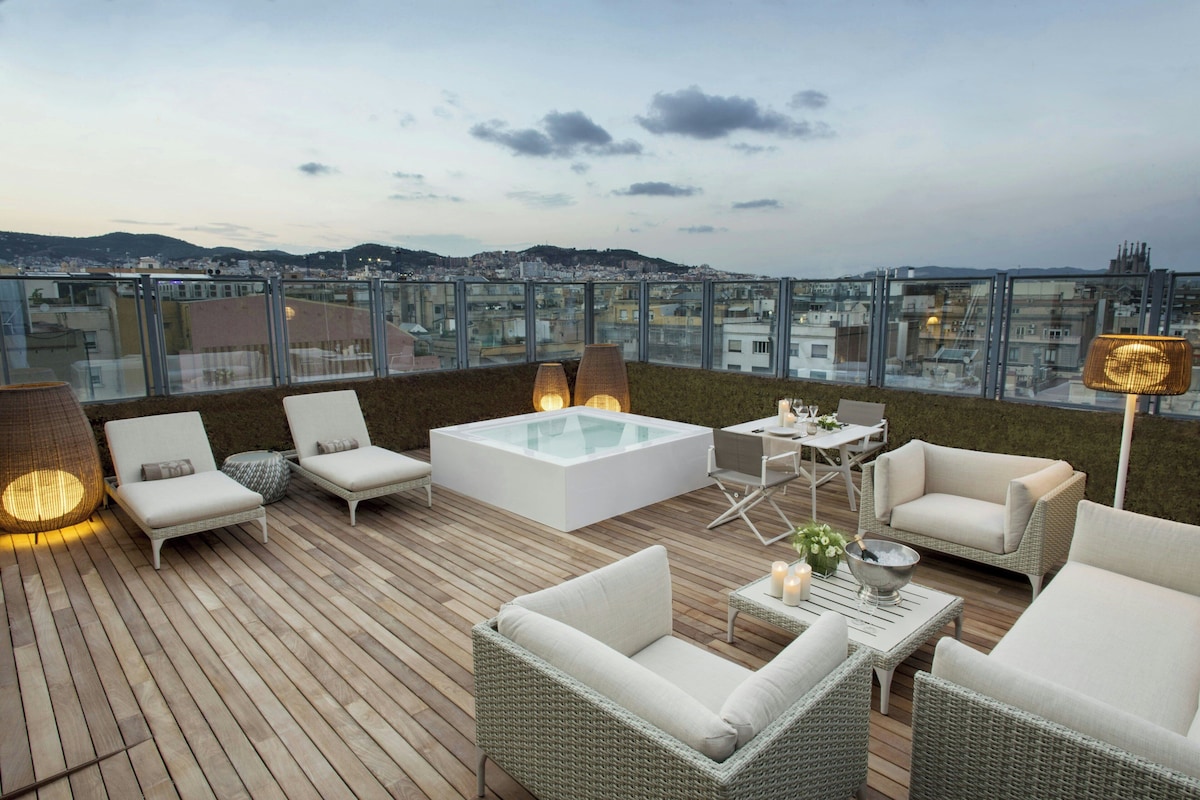
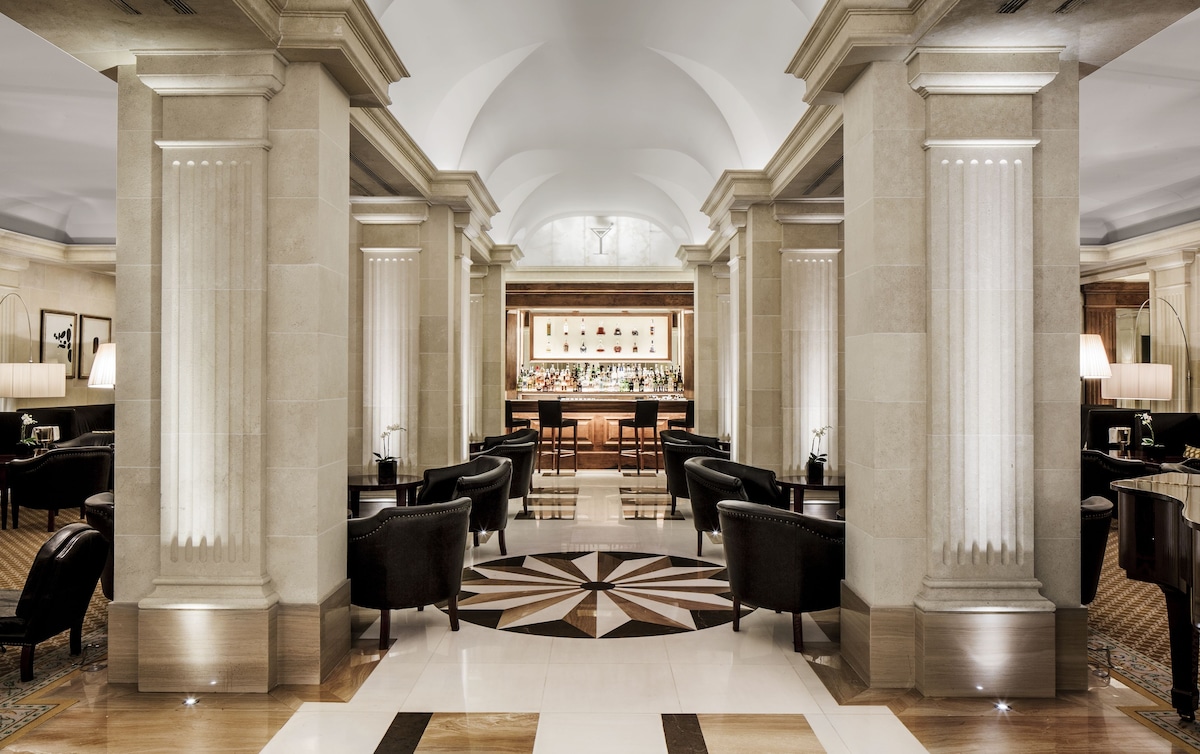
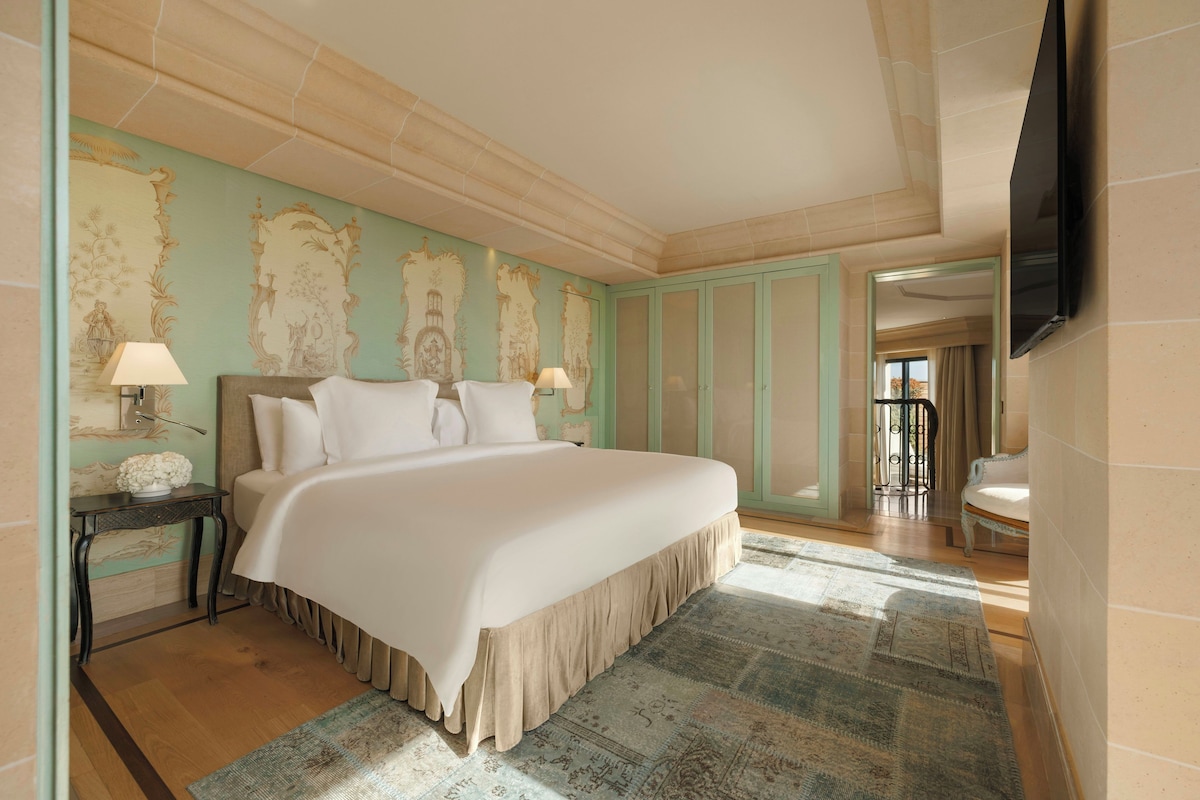
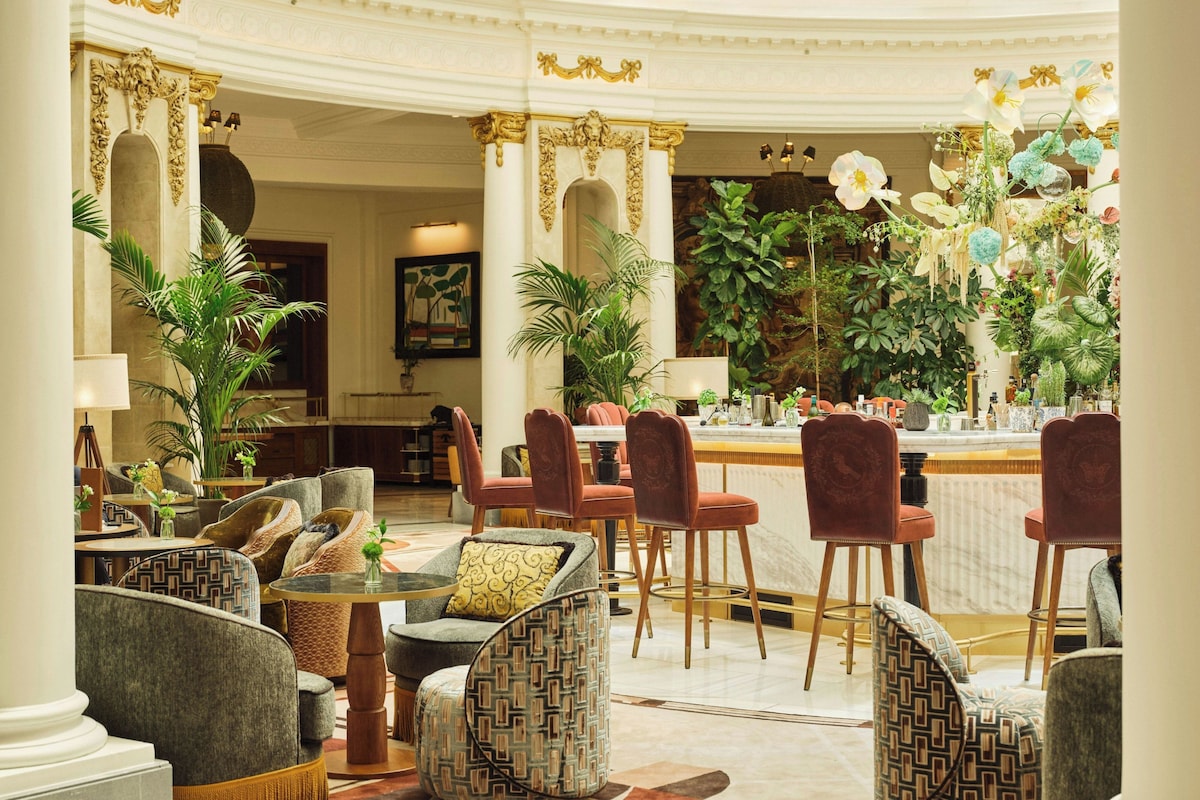
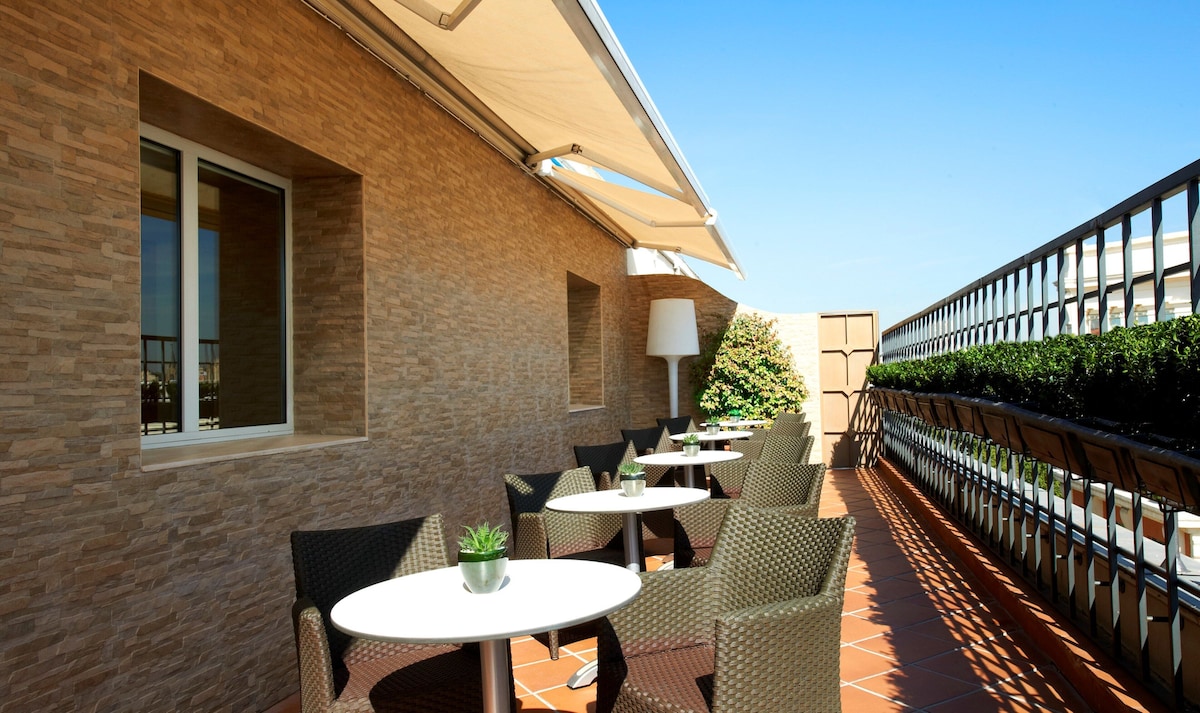
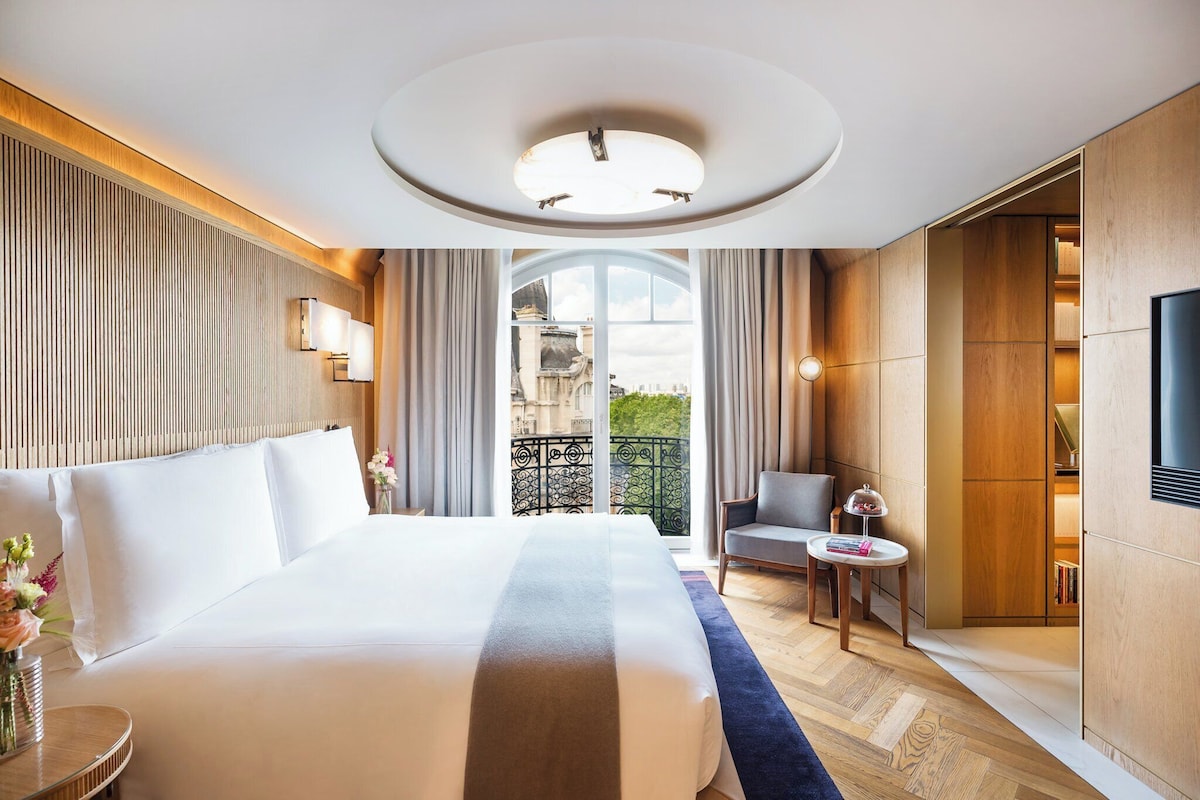
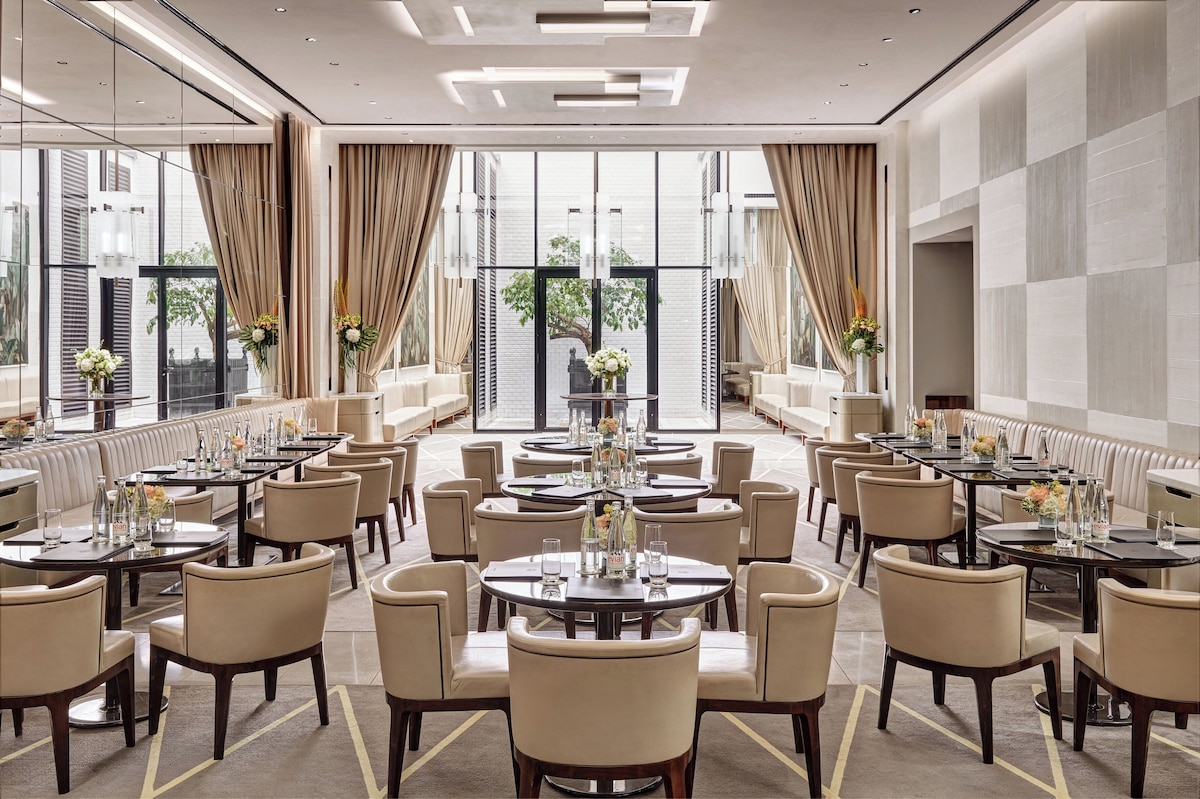
More than 1,000 works of art give Majestic Hotel & Spa Barcelona a reason to linger in its corridors, with pieces by Antoni Tàpies, Eduardo Chillida, Jaume Plensa, and Anish Kapoor displayed throughout the hotel. The owners’ interest in art gives this Passeig de Gràcia address a cultural identity that extends well beyond the architecture nearby. Rooms look onto Eixample courtyards or the boulevard, while La Dolce Vitae, the rooftop restaurant and bar, opens up views of Casa Batlló and the Sagrada Família. At SOLC, the connection to Catalonia takes a more practical form: vegetables come from the hotel’s own Maresme farm, alongside fish from Barcelona’s fish market and meats from local producers.
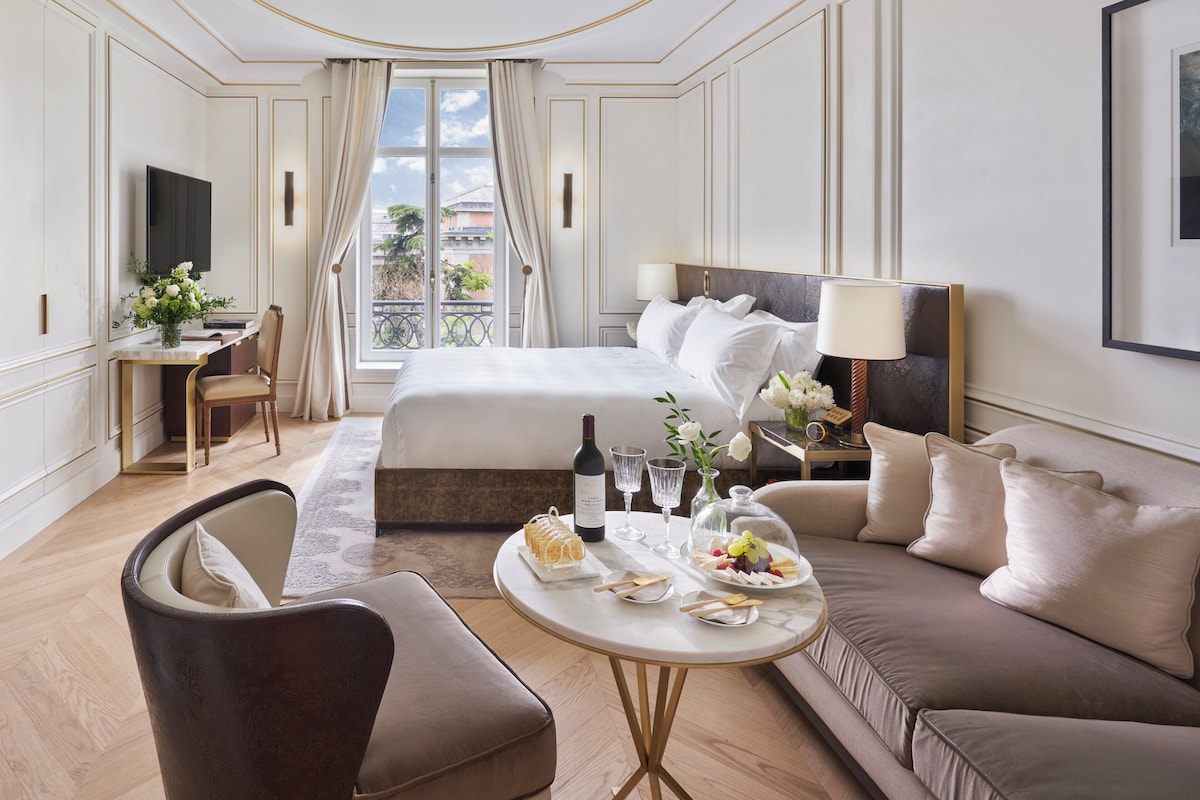
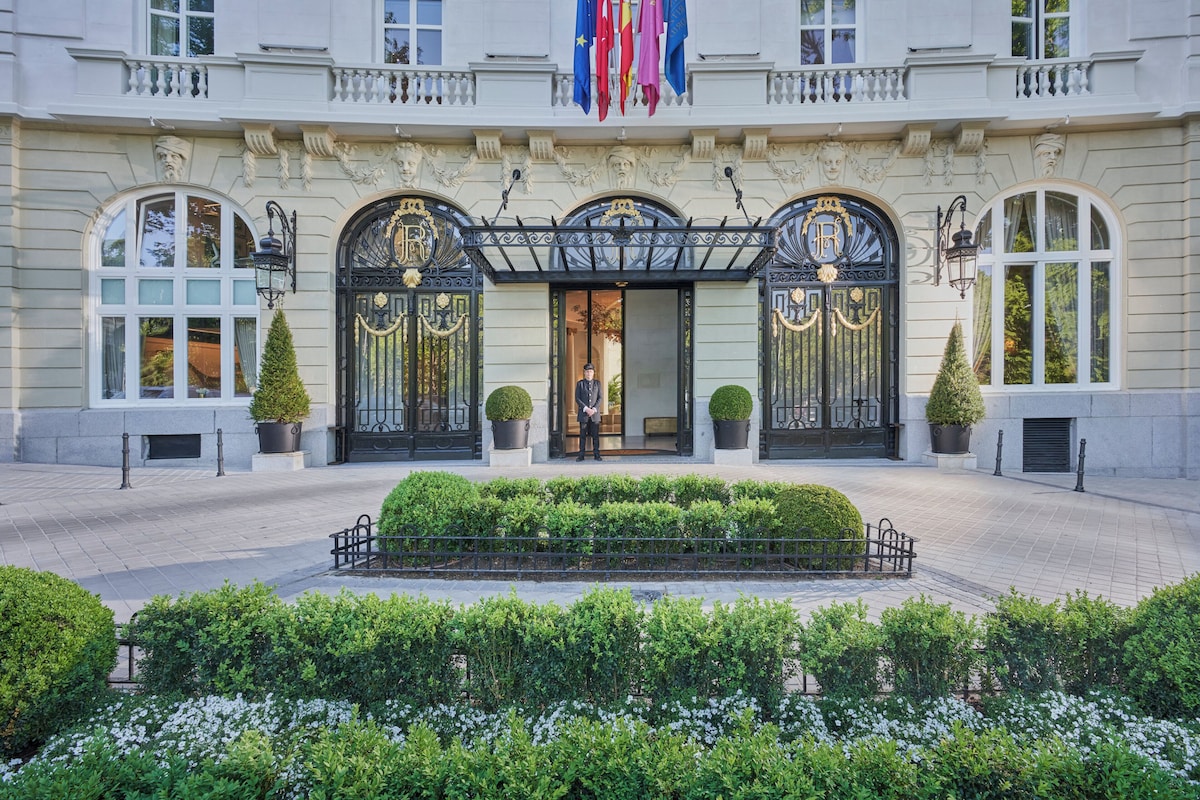
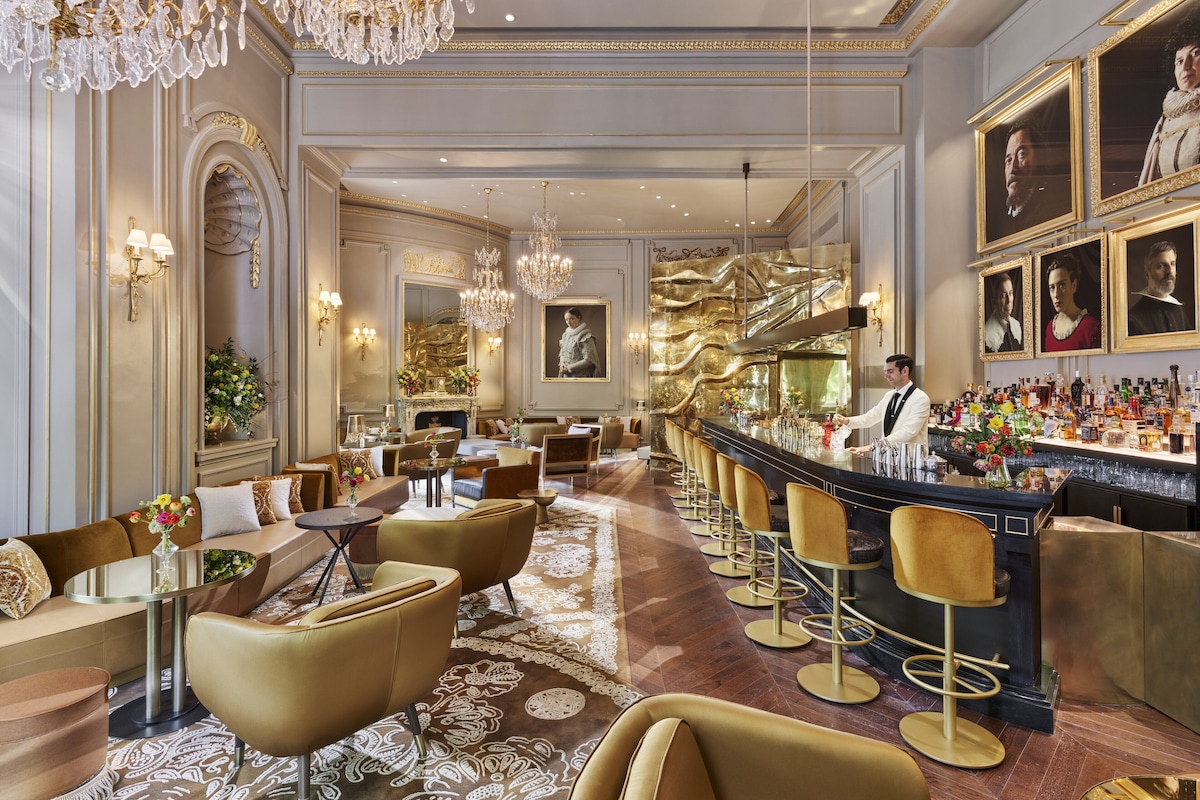
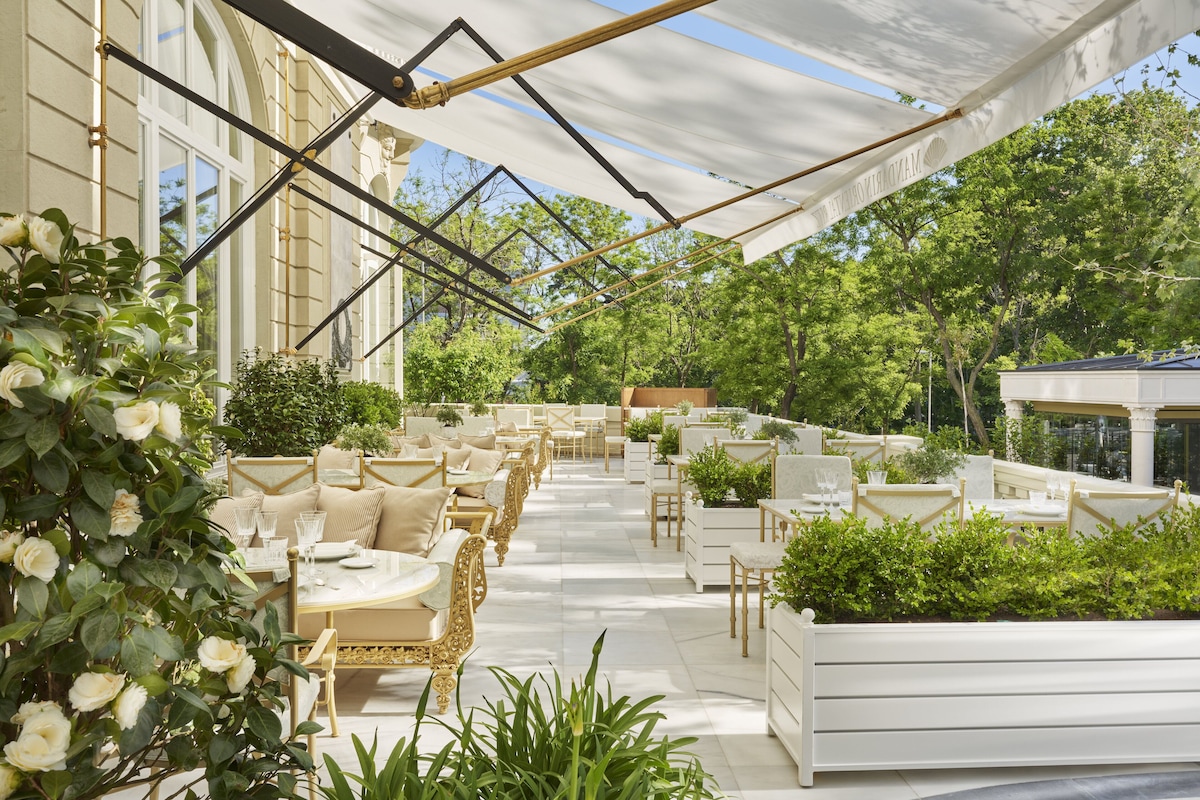
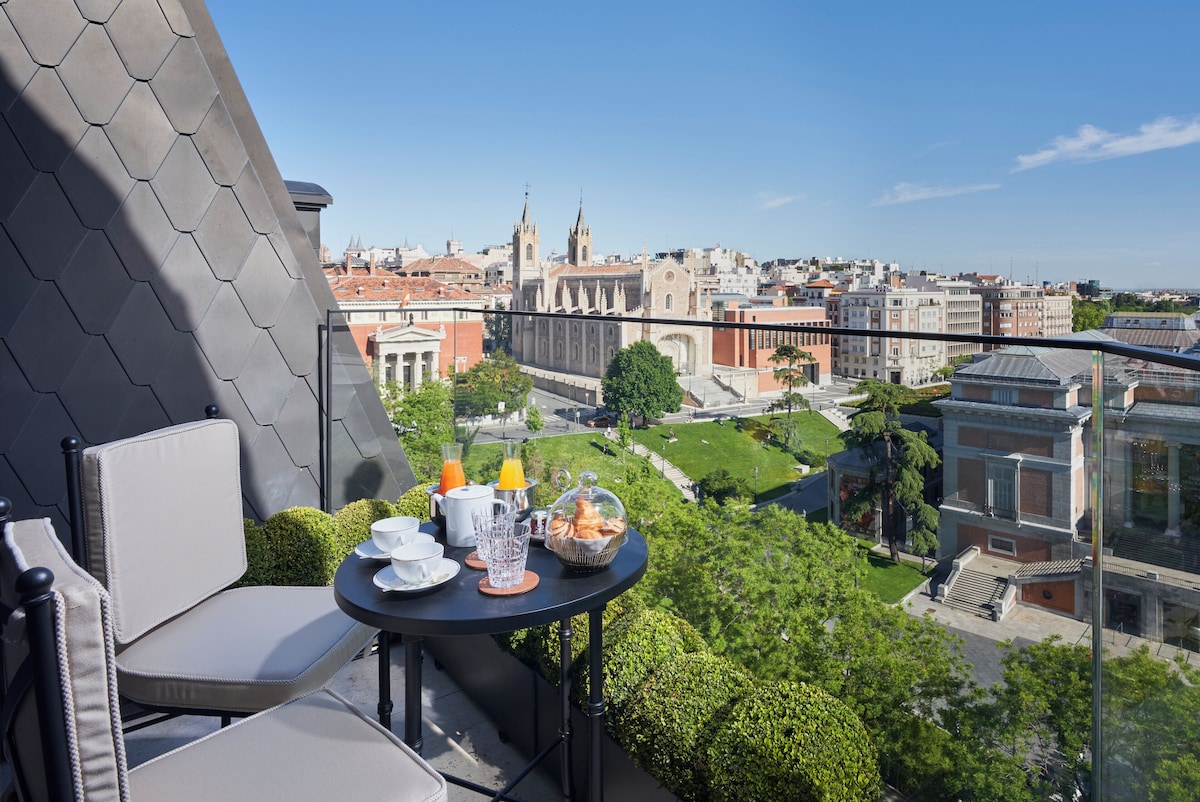
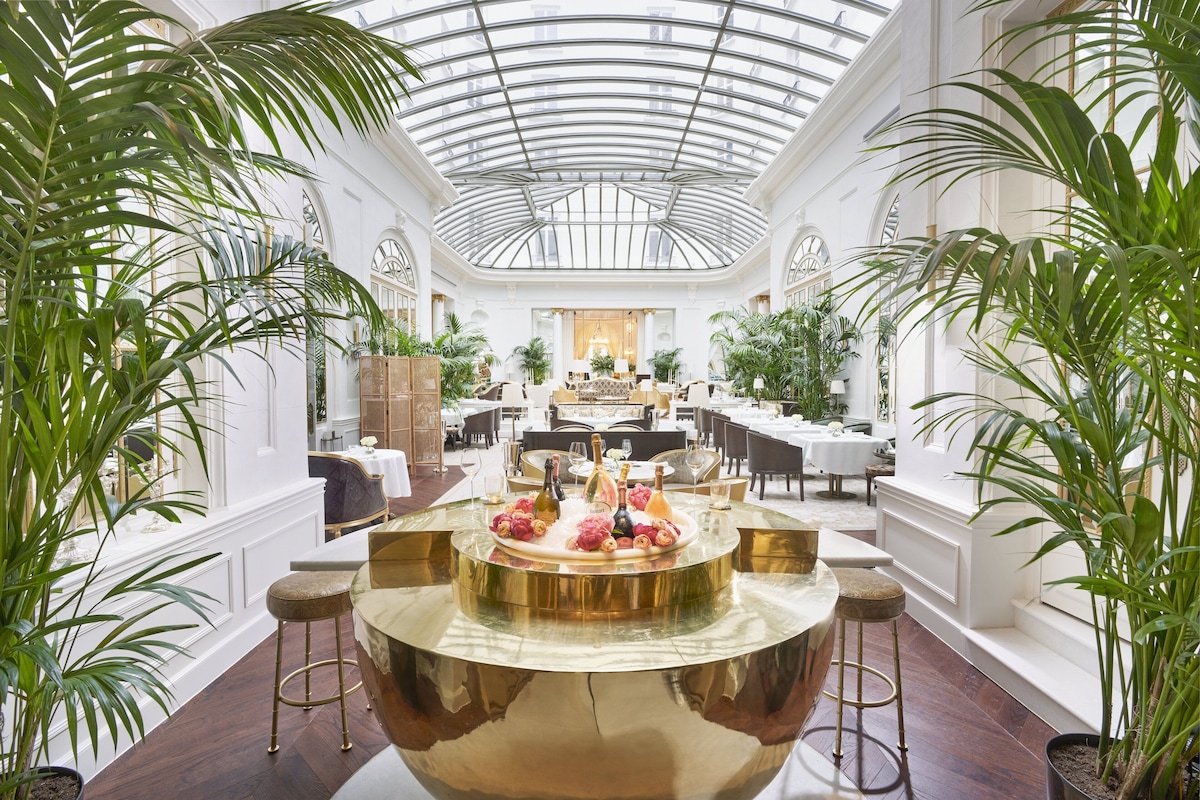
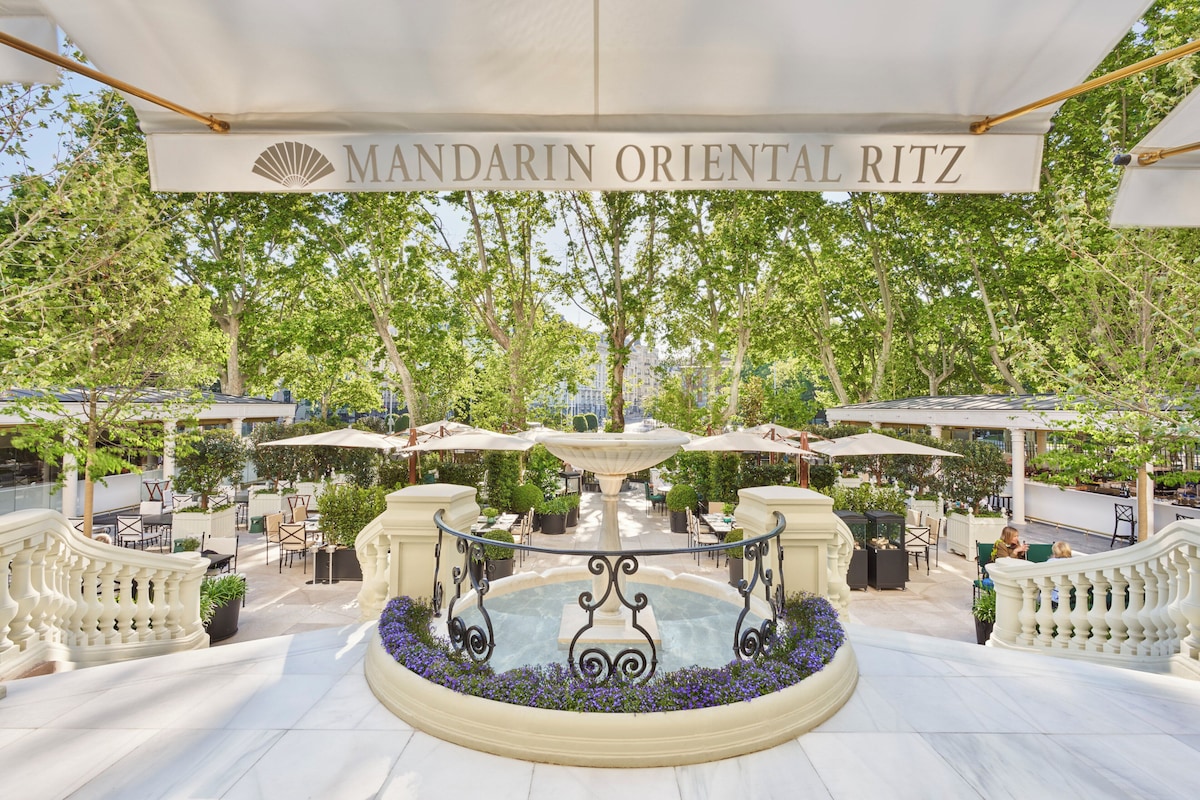
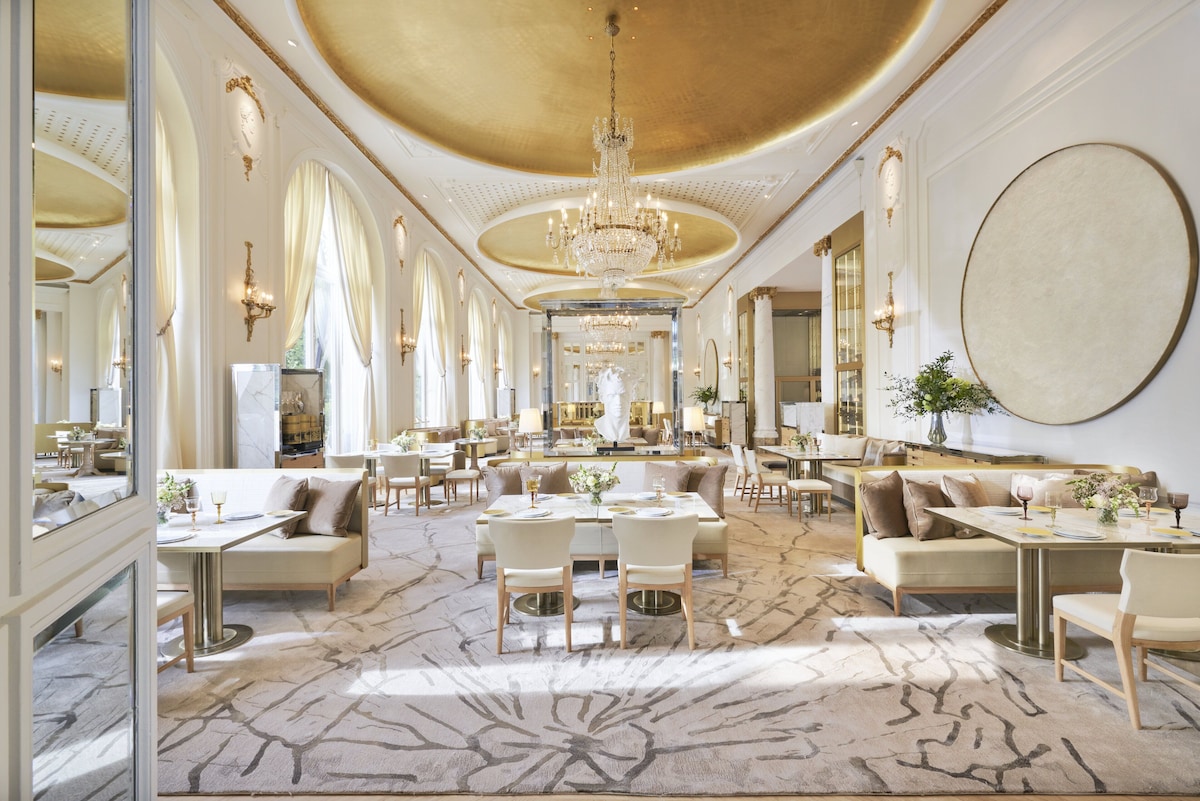
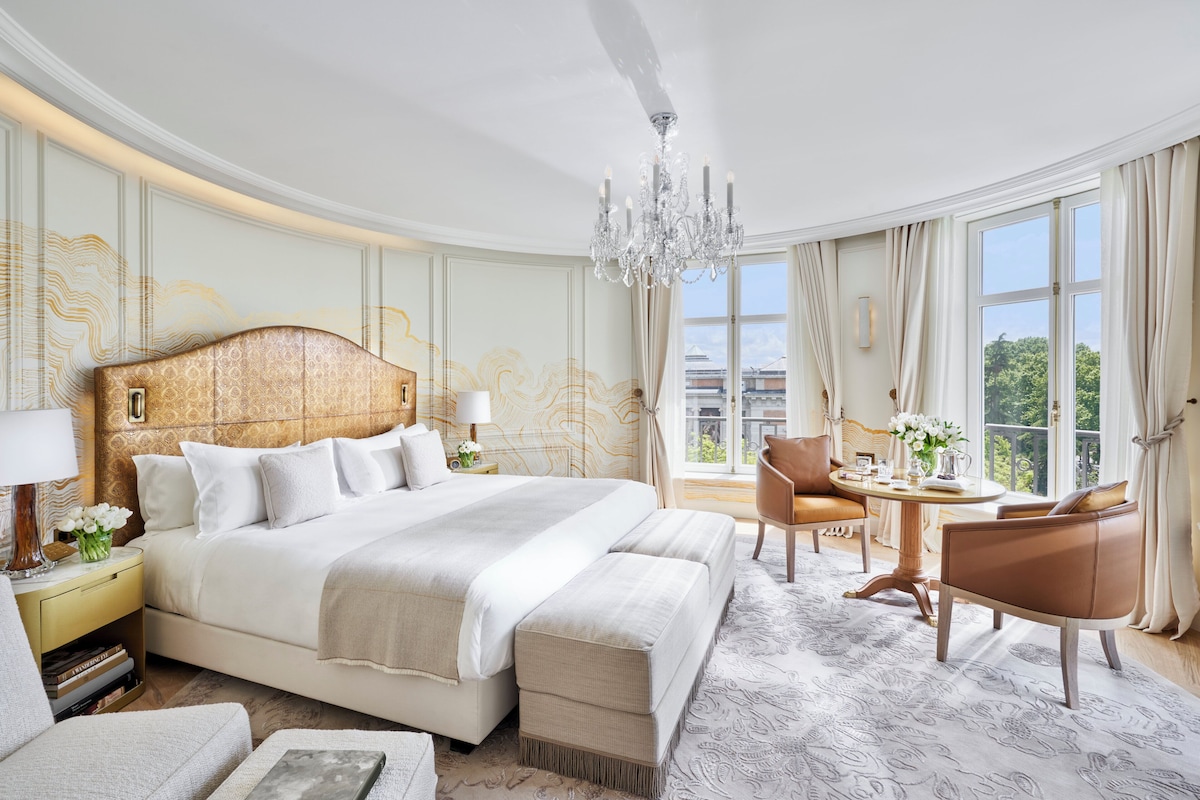
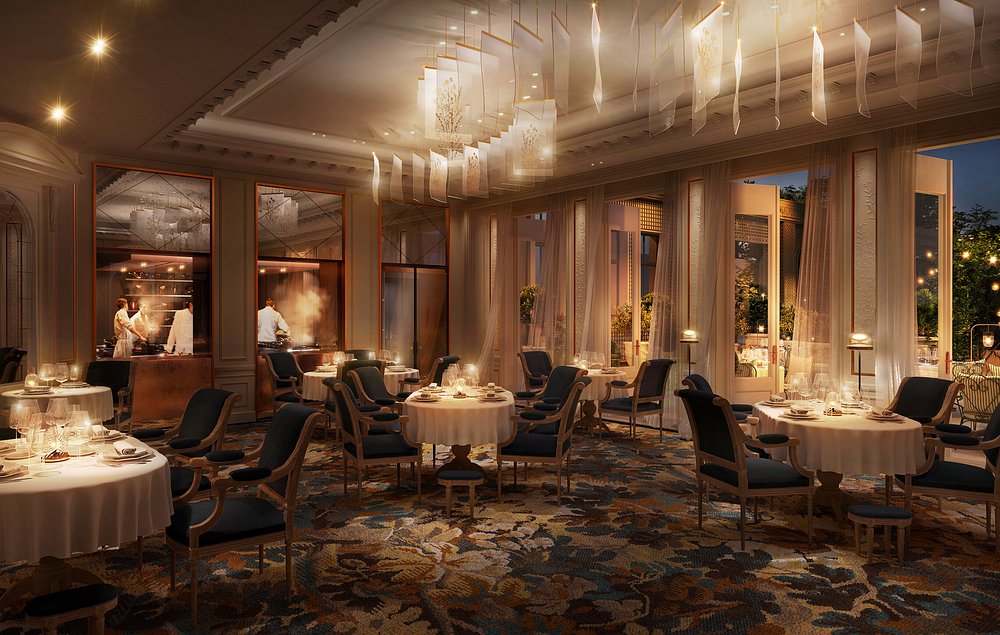
Palm Court’s crystal canopy sets the tone at Mandarin Oriental Ritz, Madrid, a Belle Époque palace where the dining rooms are as much a draw as the address. Beneath it, the all-day restaurant serves contemporary interpretations of Ritz classics under chef Quique Dacosta’s direction. His two-Michelin-starred Deessa occupies the Alfonso XIII room, with a terrace overlooking the Ritz Garden. The hotel sits between the Prado Museum and Retiro Park, placing art and open space close at hand. Upstairs, accommodations range from courtyard-facing rooms to suites overlooking the Prado and Plaza de la Lealtad, with marble bathrooms and a classic approach to interiors that carries the palace’s character into the private spaces.
hotel Ritz ... There ... famous faces such as ... Ernest Hemingway spent the night.hotel Ritz ... Allí ... pernoctaron rostros como ... Ernest Hemingway.
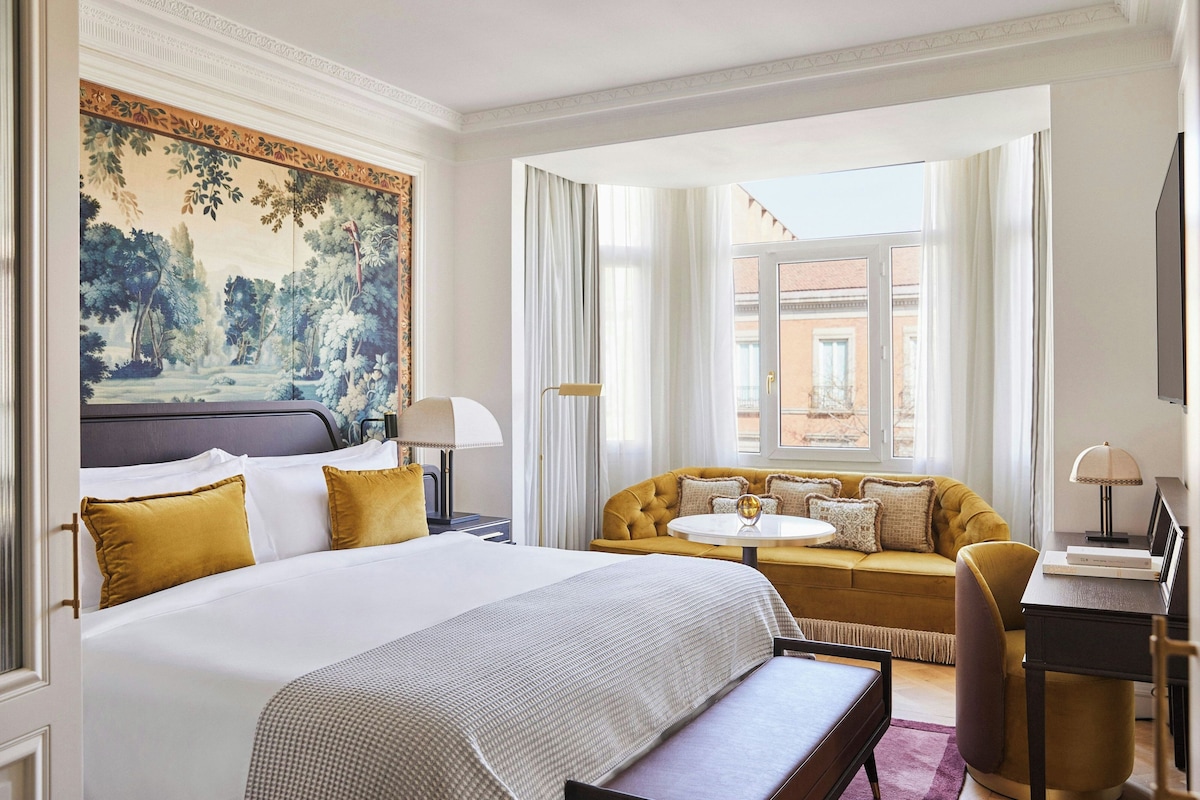
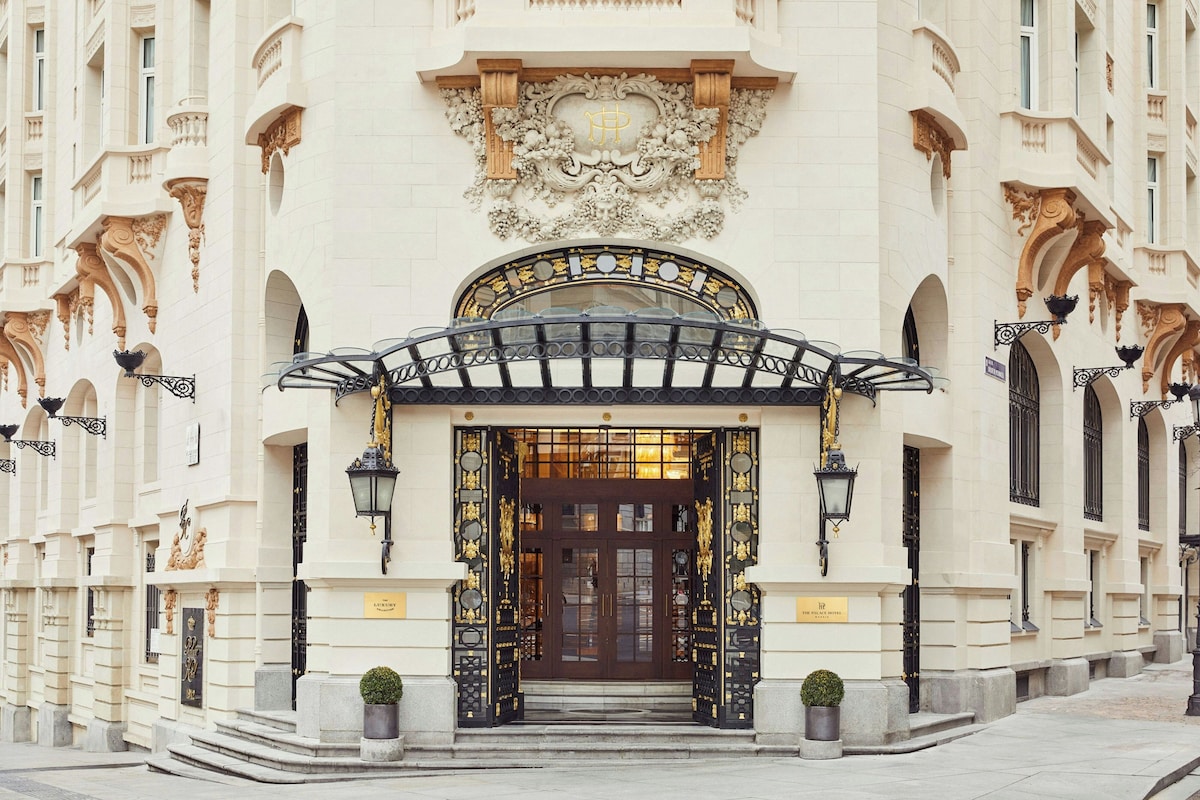
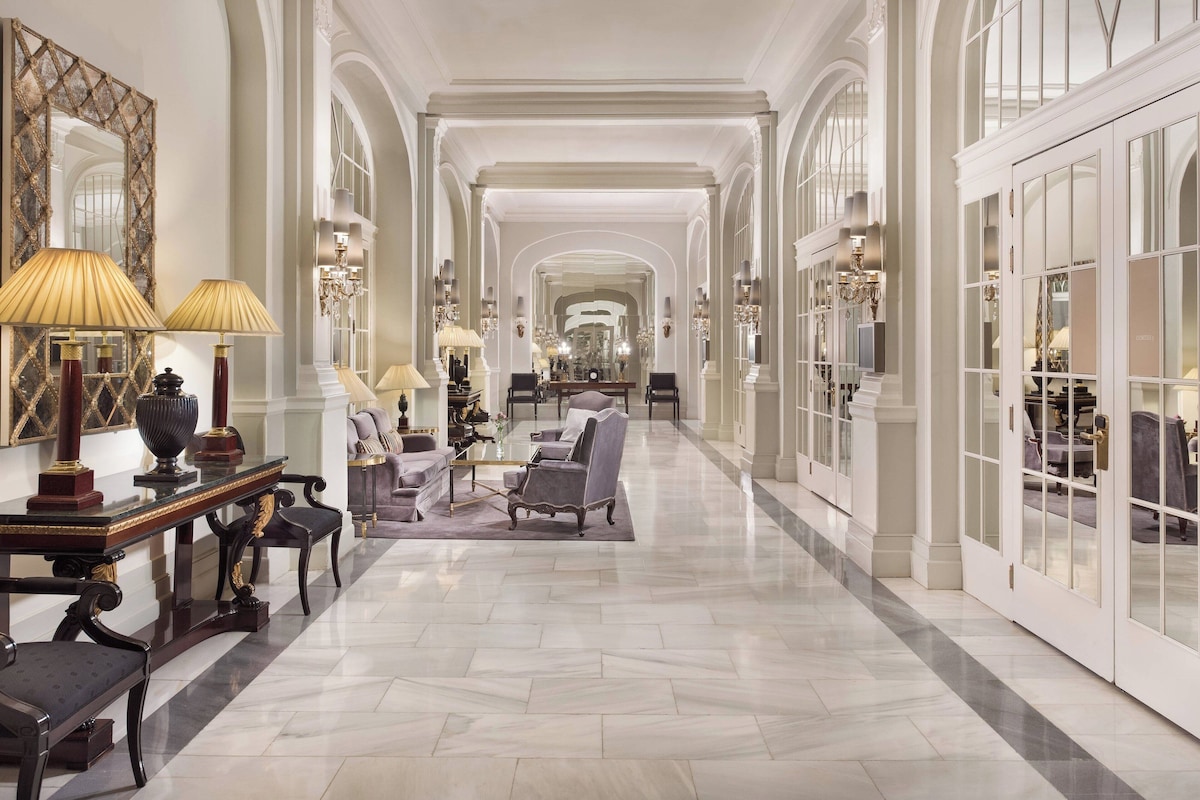
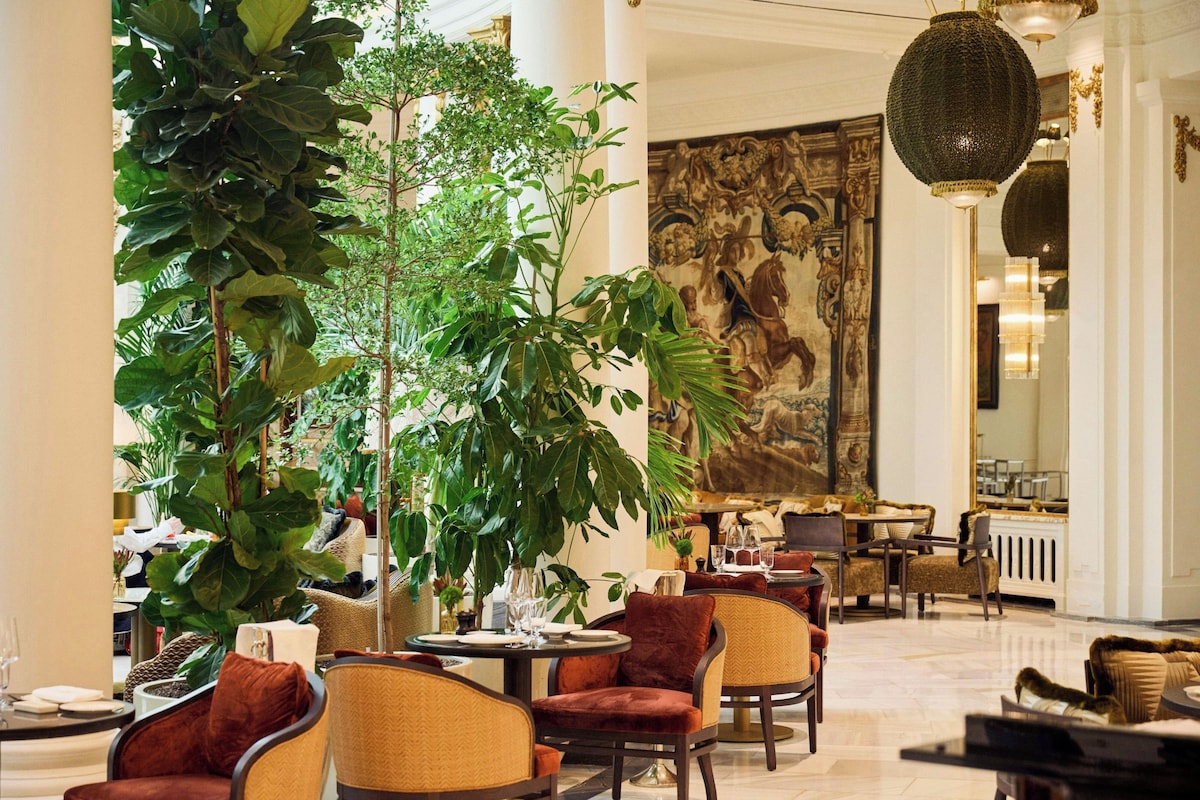
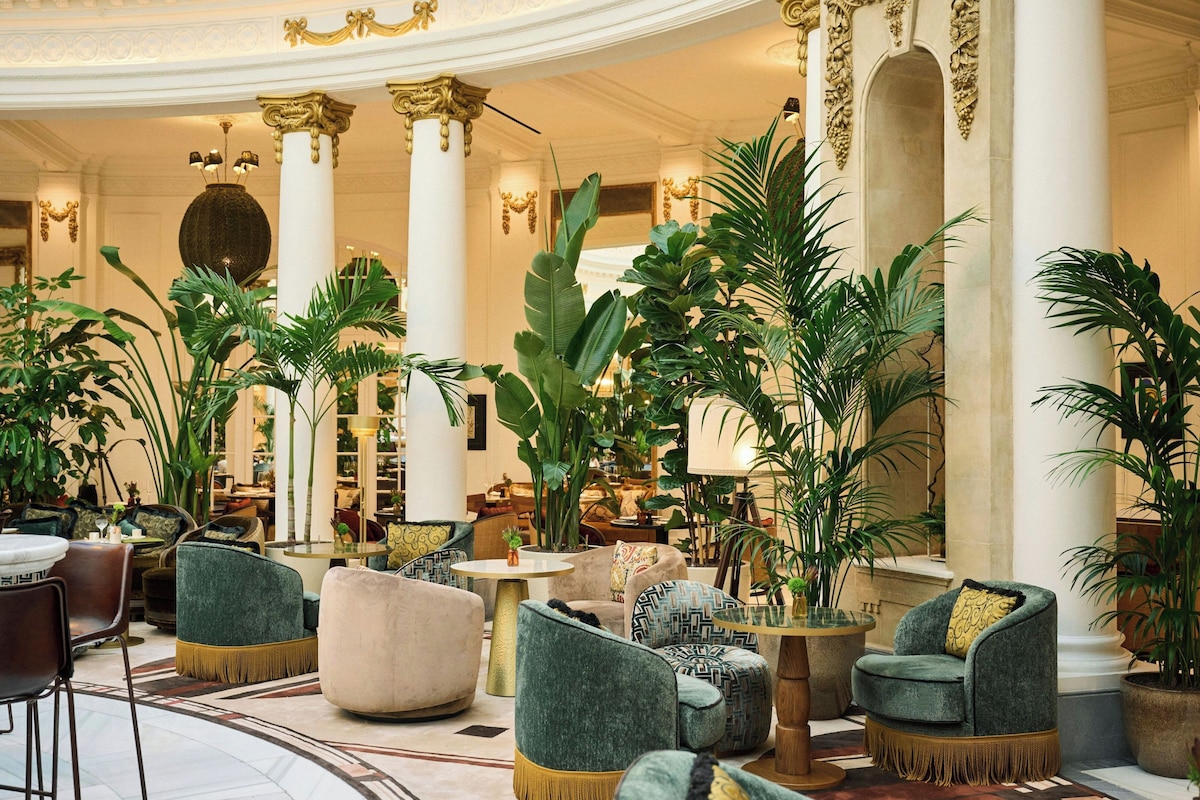
A stained-glass dome made from 1,875 individual panes gives The Palace its architectural centerpiece, with a palm-shaped chandelier suspended beneath it. Each pane was dismantled, cataloged and restored as part of the renovation that brought this 1912 hotel into The Luxury Collection in 2025. Designer Lázaro Rosa-Violán’s interiors draw on the Belle Époque and Roaring Twenties, alongside preserved marble, historic tapestries and original architectural details. Beneath the dome, La Cúpula serves contemporary Spanish cooking and afternoon tea. Outside, the hotel’s Plaza de las Cortes address places Madrid’s museums within walking distance; selected rooms overlook the Neptune Fountain or the Spanish Parliament, giving the city a presence well beyond the public rooms.
Palace de Madrid ... Ernest Hemingway ... are among its distinguished guests.Palace de Madrid ... Ernest Hemingway ... se cuentan entre sus ilustres huéspedes.
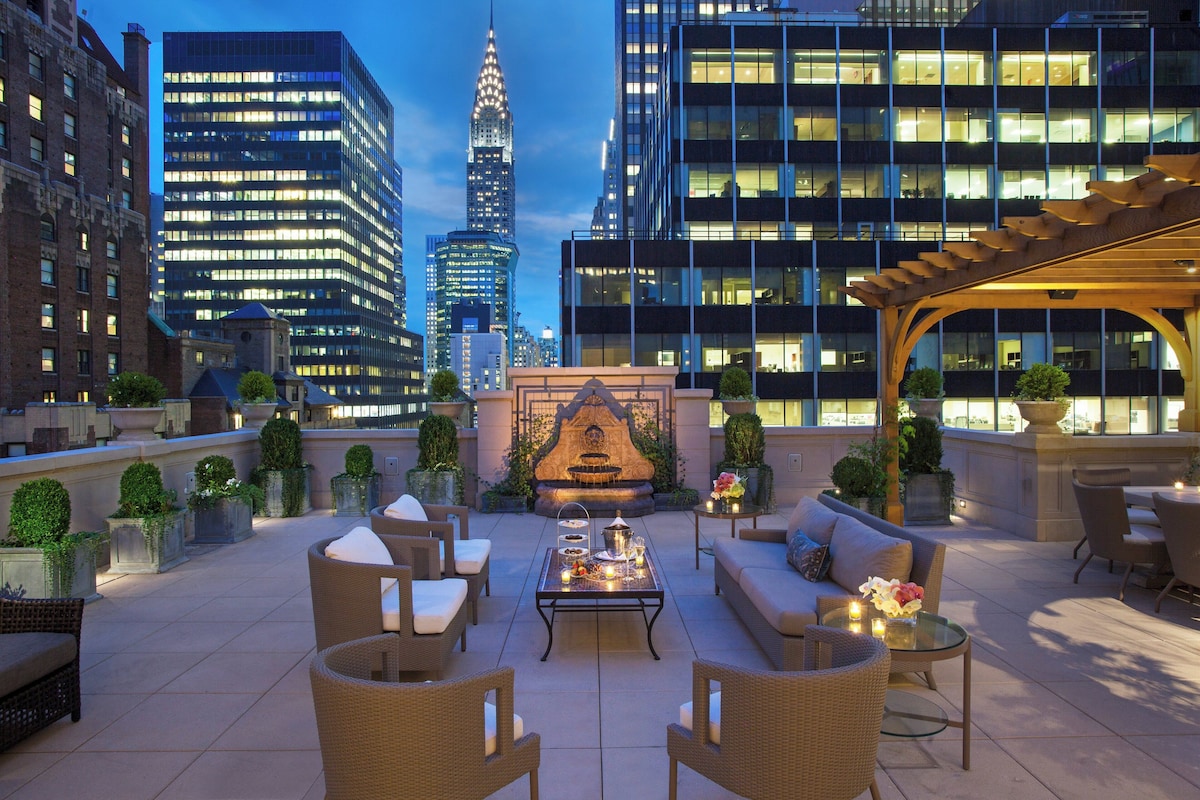
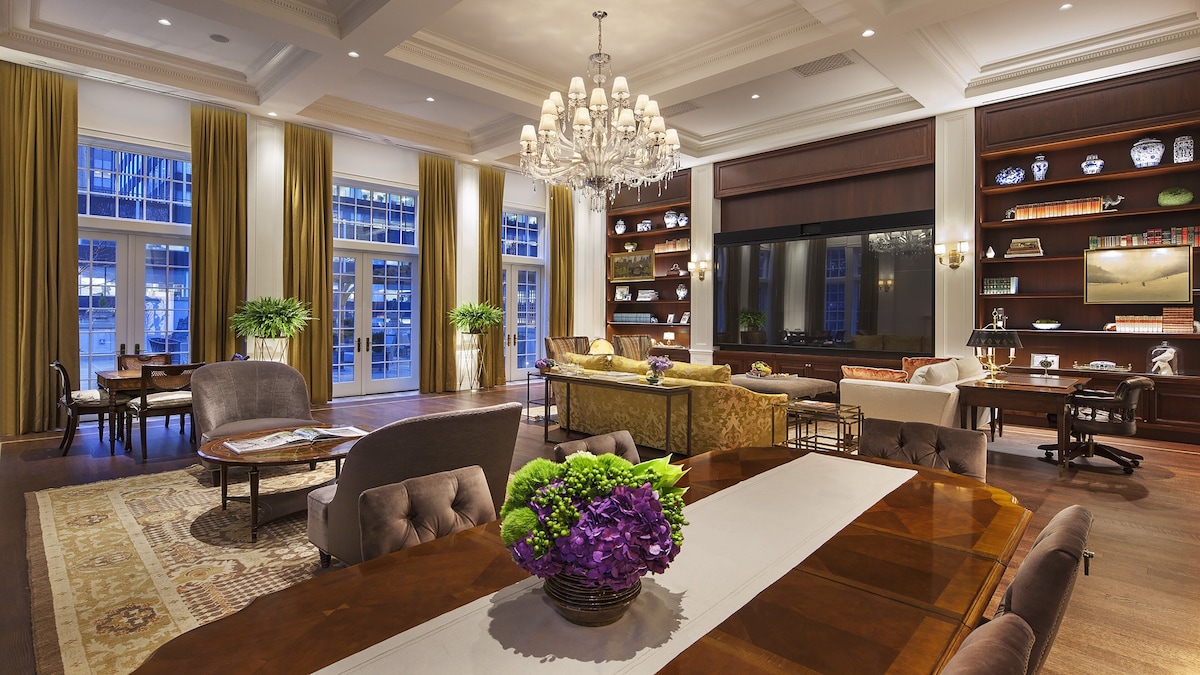
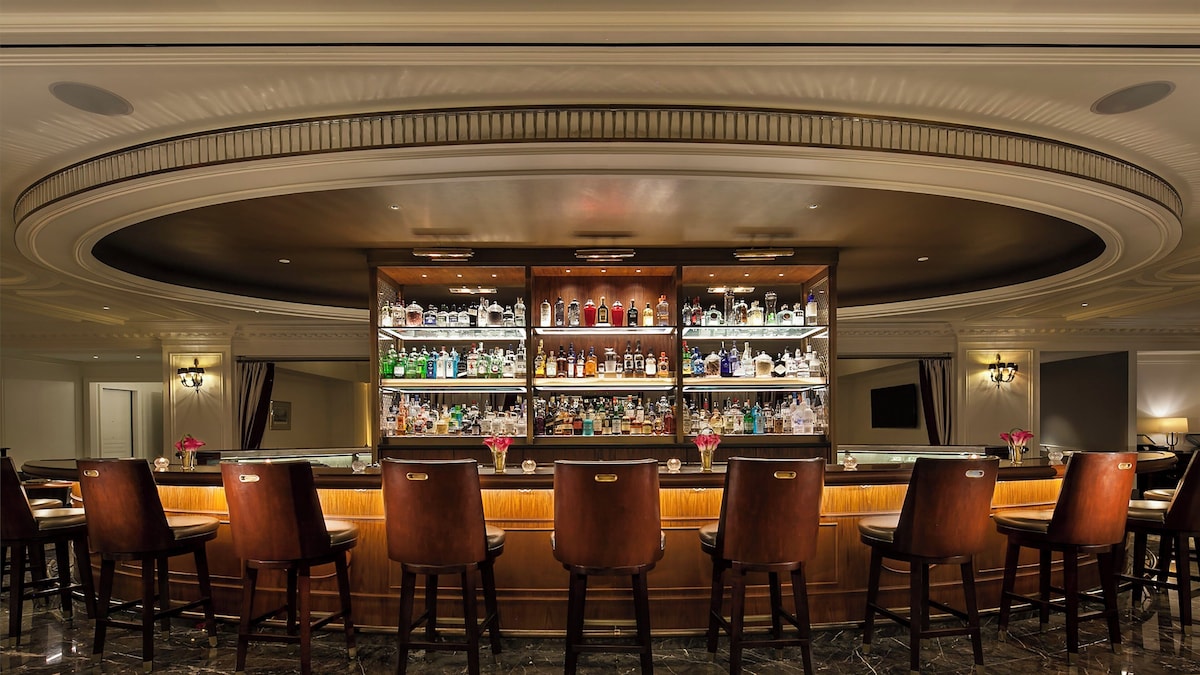
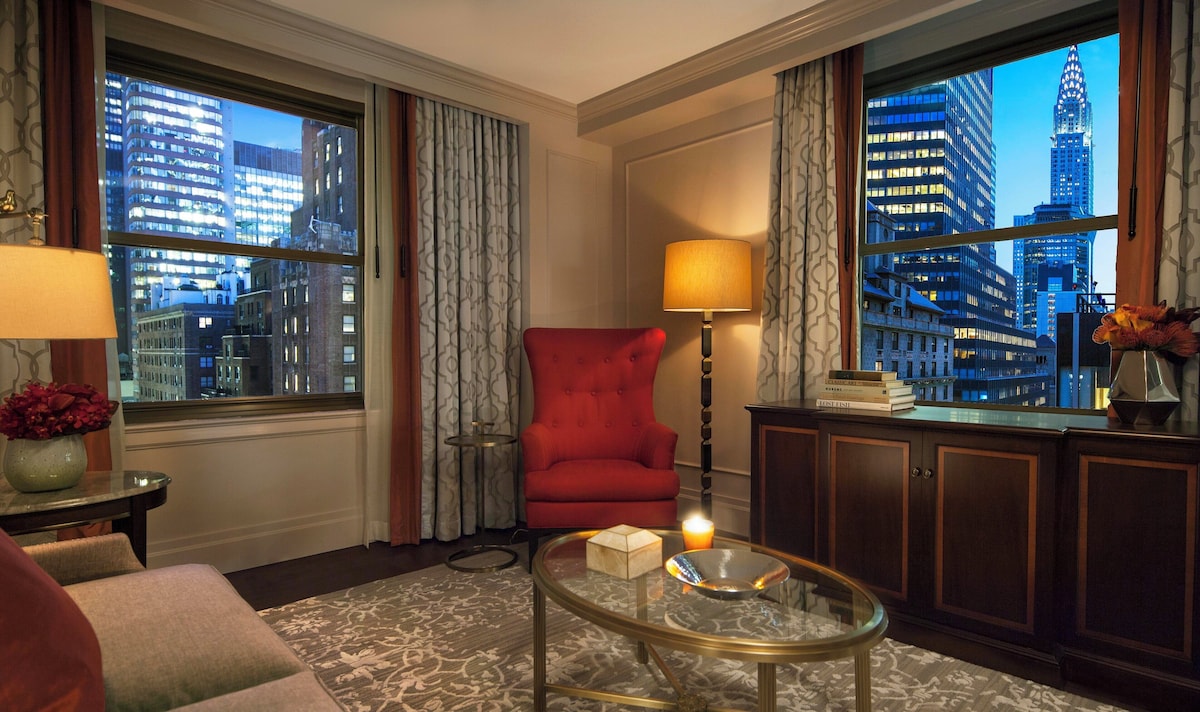
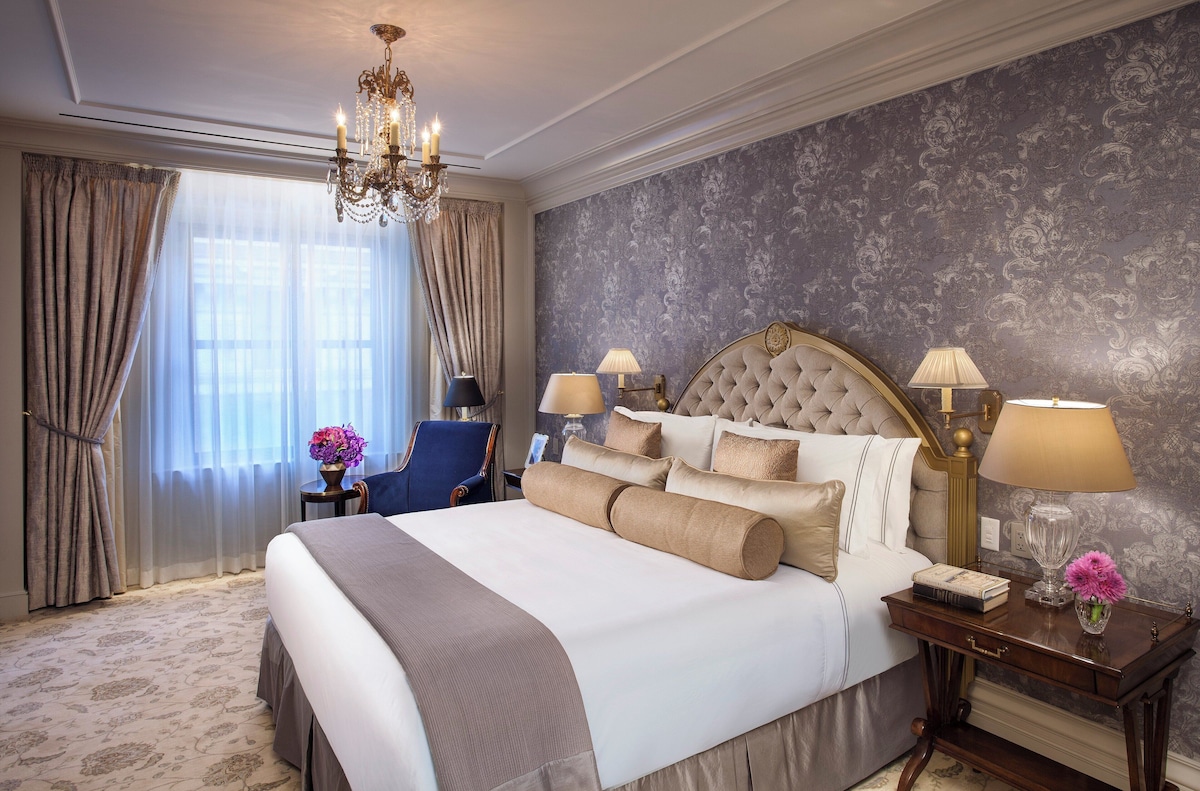
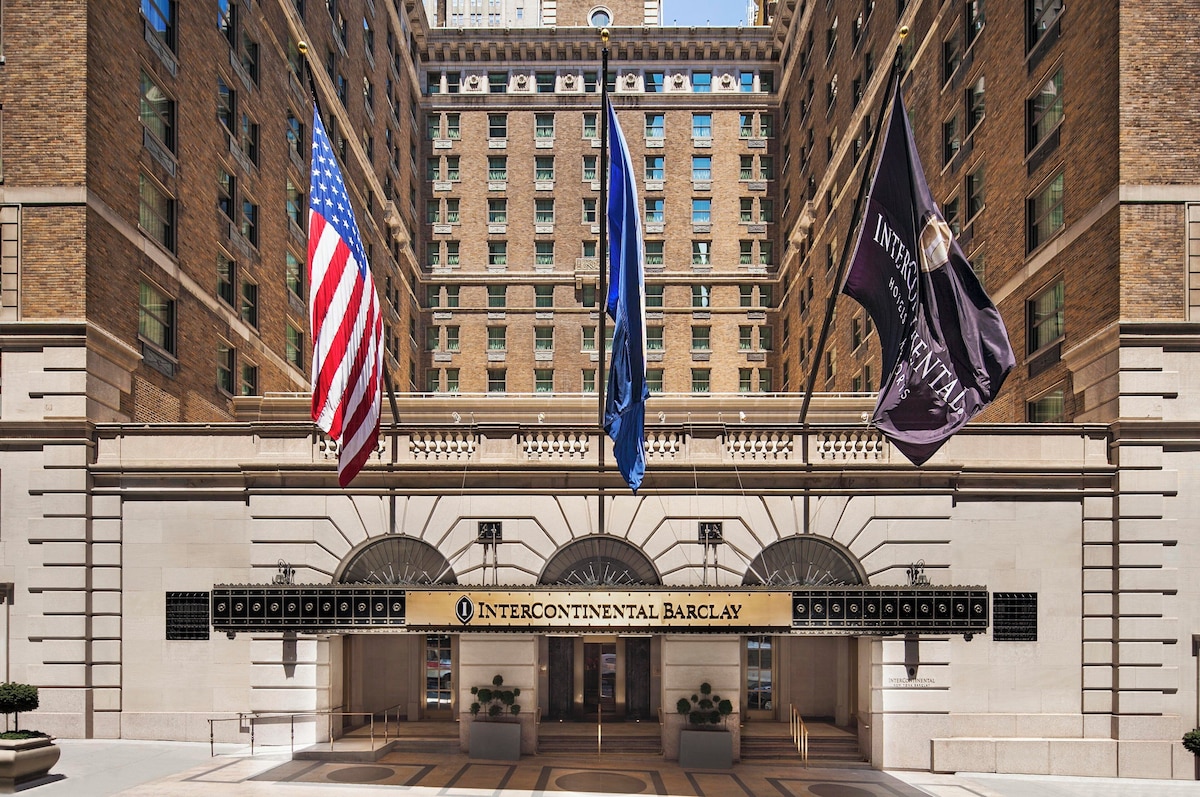
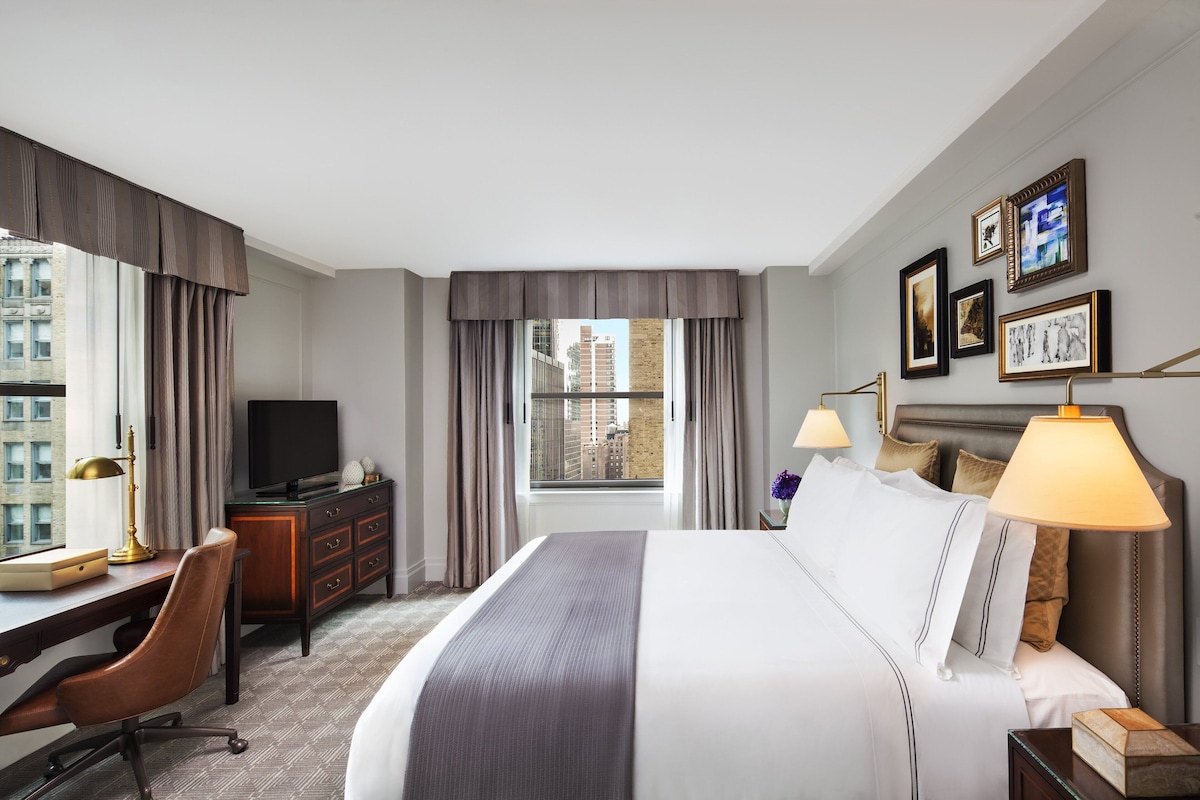
A grand staircase, Federalist-inspired details, and an intricate lobby ceiling give the InterContinental Barclay its distinctly residential take on New York grandeur. Designed by Cross and Cross as part of the Terminal City development around Grand Central, the hotel opened in 1926 with long-term residents in mind. That Park Avenue influence still shapes its rooms and suites, redesigned during a $180 million renovation in 2016. On East 48th Street near Grand Central and Rockefeller Center, it makes a convenient Midtown base with a character rooted in the neighborhood’s architectural past. The Parlour extends the story through its nods to 1920s Manhattan, while rooftop-grown herbs and honey from the hotel’s beehives find their way into dishes and cocktails.
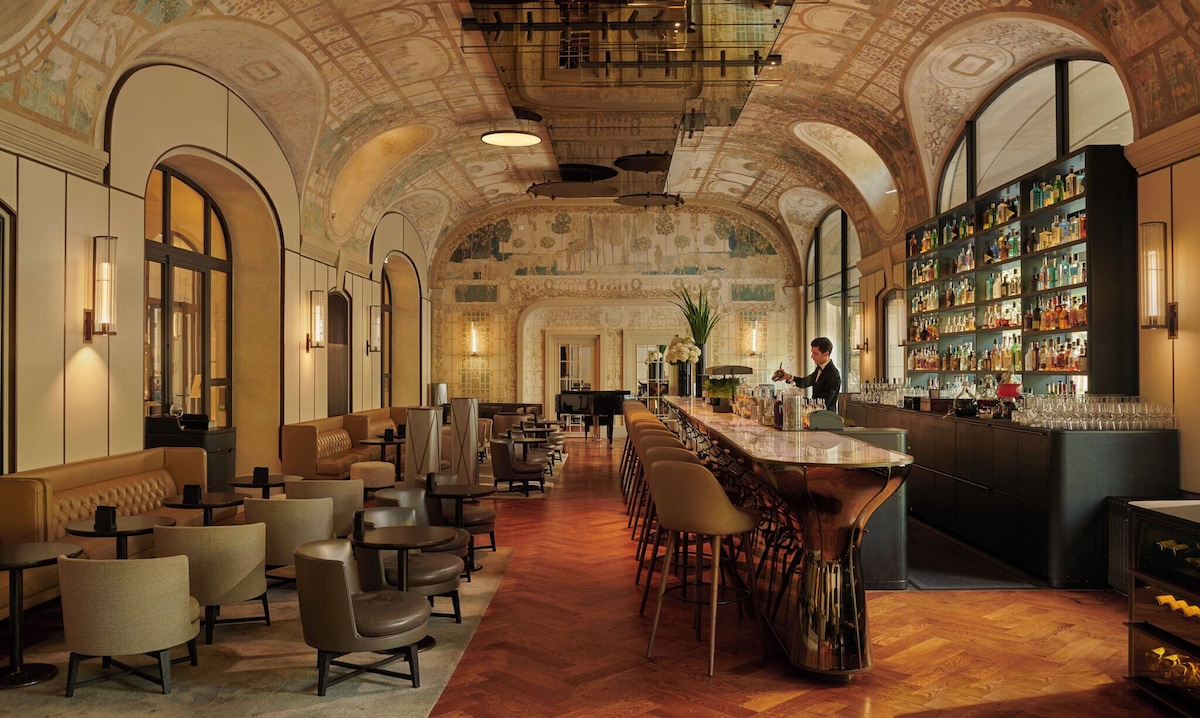
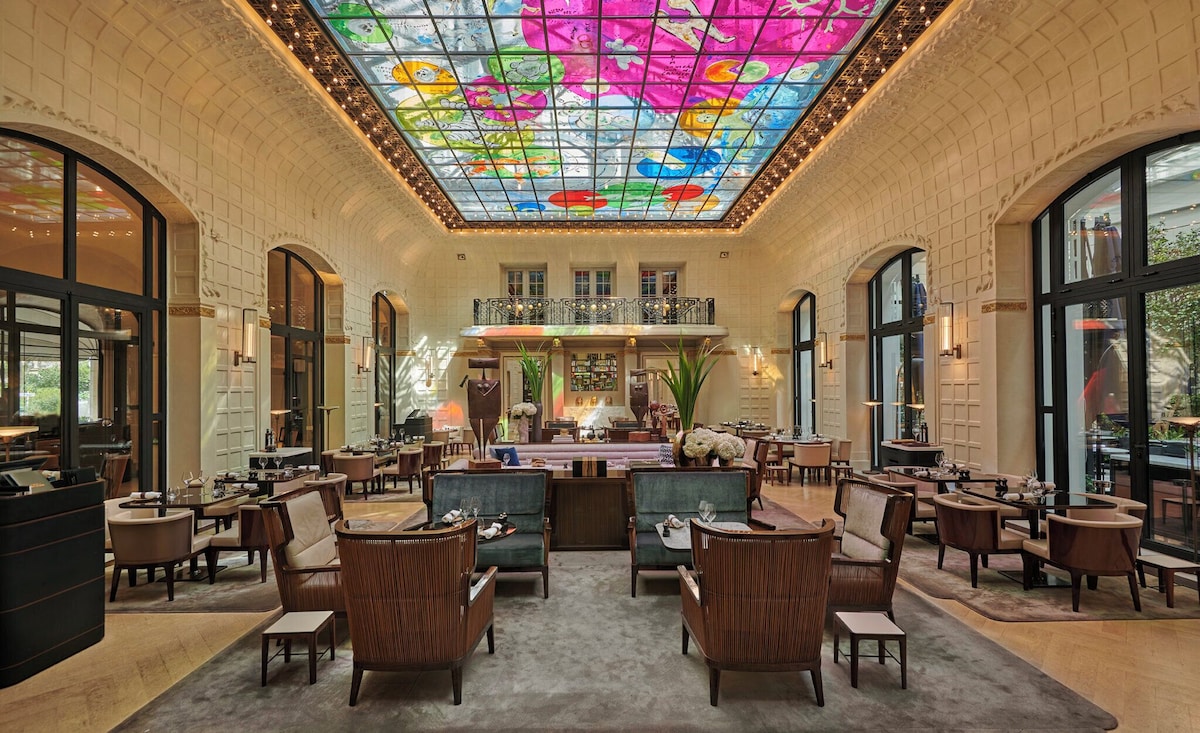
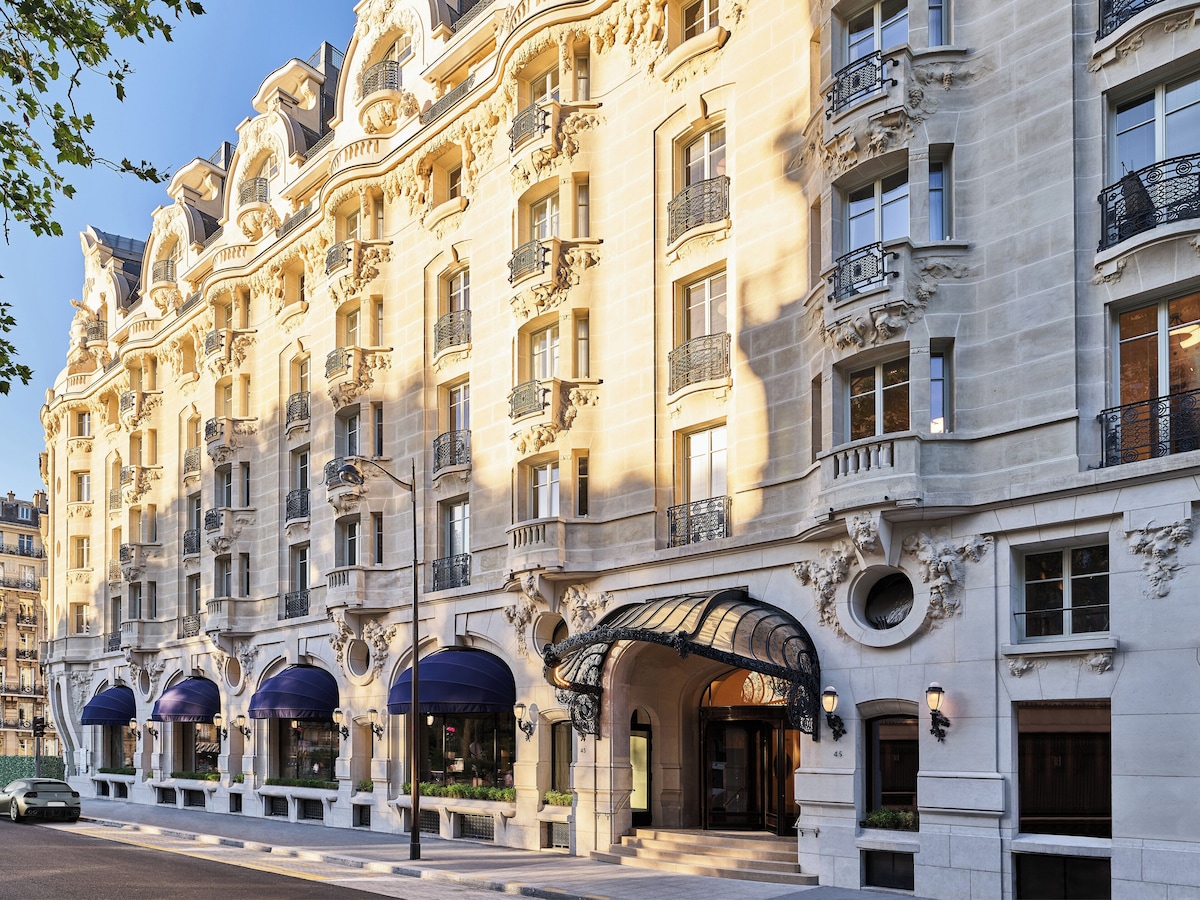
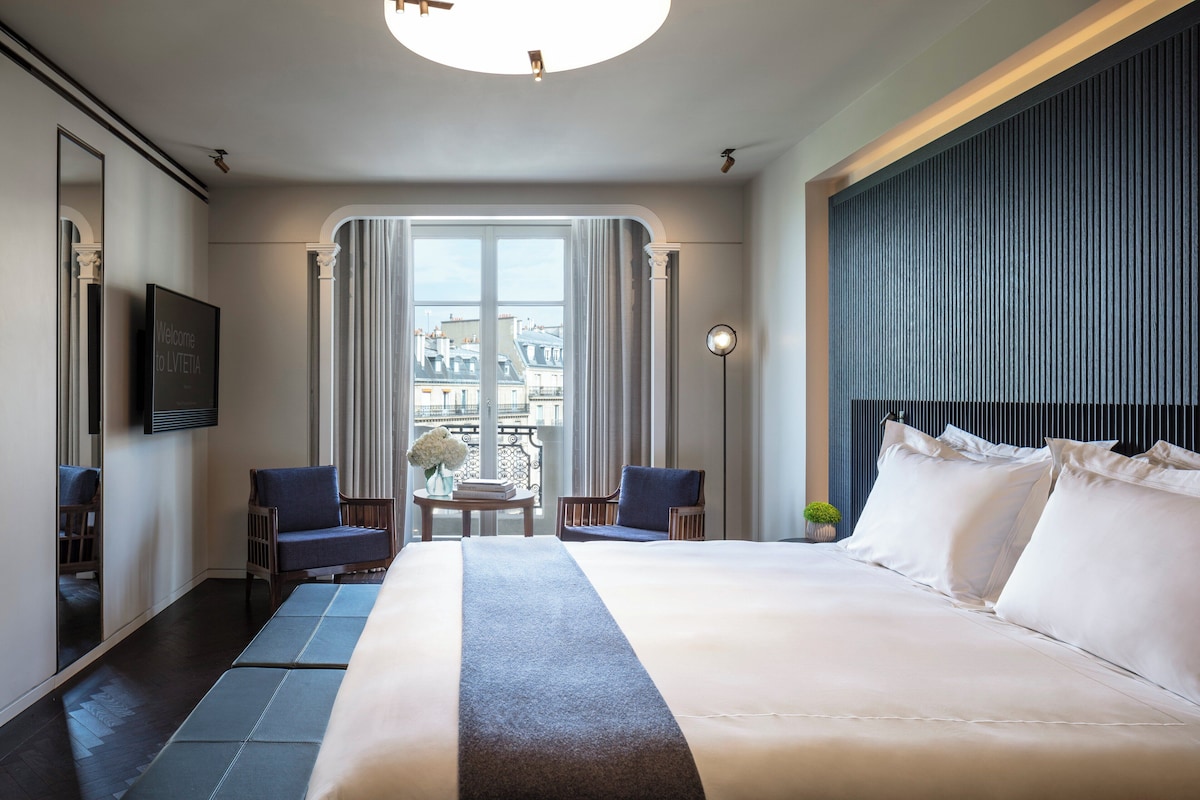
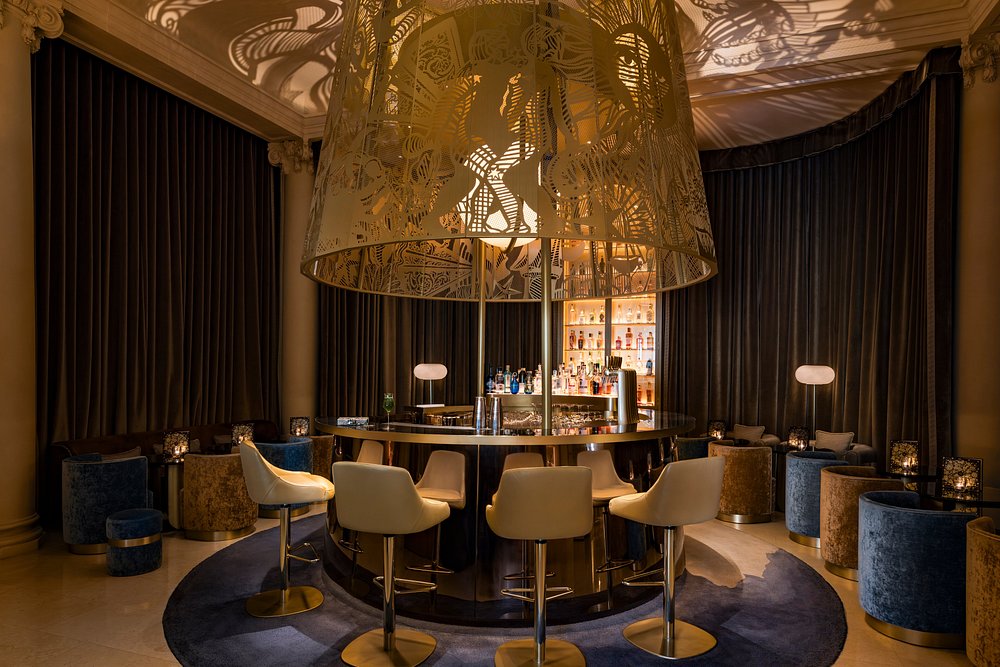
The frescoes in Bar Joséphine spent years hidden beneath paint before their restoration for Lutetia’s 2018 reopening. Along with the central salon’s stained-glass ceiling, they give this Saint-Germain-des-Prés hotel a character rooted in its own architecture and artwork. Founded in 1910 by the family behind Le Bon Marché to accommodate the department store’s customers and suppliers, Lutetia combines Art Nouveau and Art Deco design. Architect Jean-Michel Wilmotte led its restoration, reworking the rooms and suites and adding a spa. Today, the bar’s six fresco scenes inspire its signature cocktails—a thoughtful way to make the building’s decorative history part of a stay on the Left Bank.
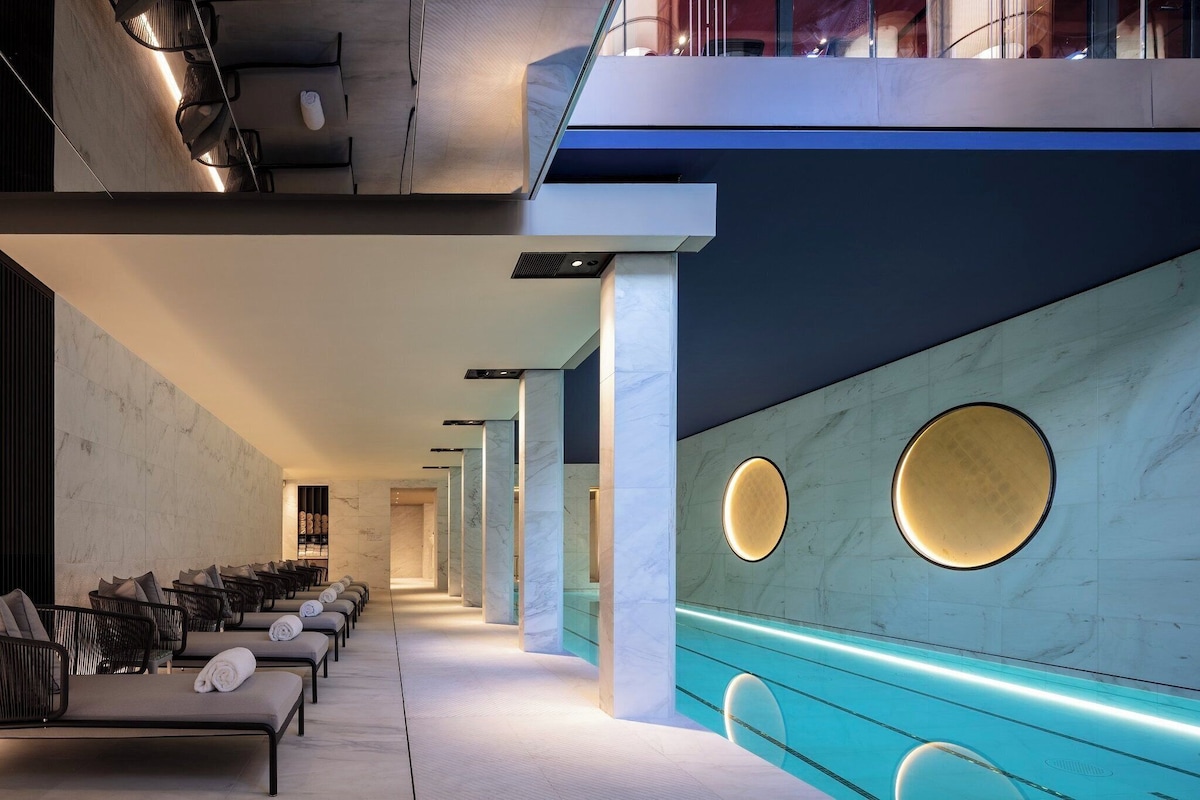
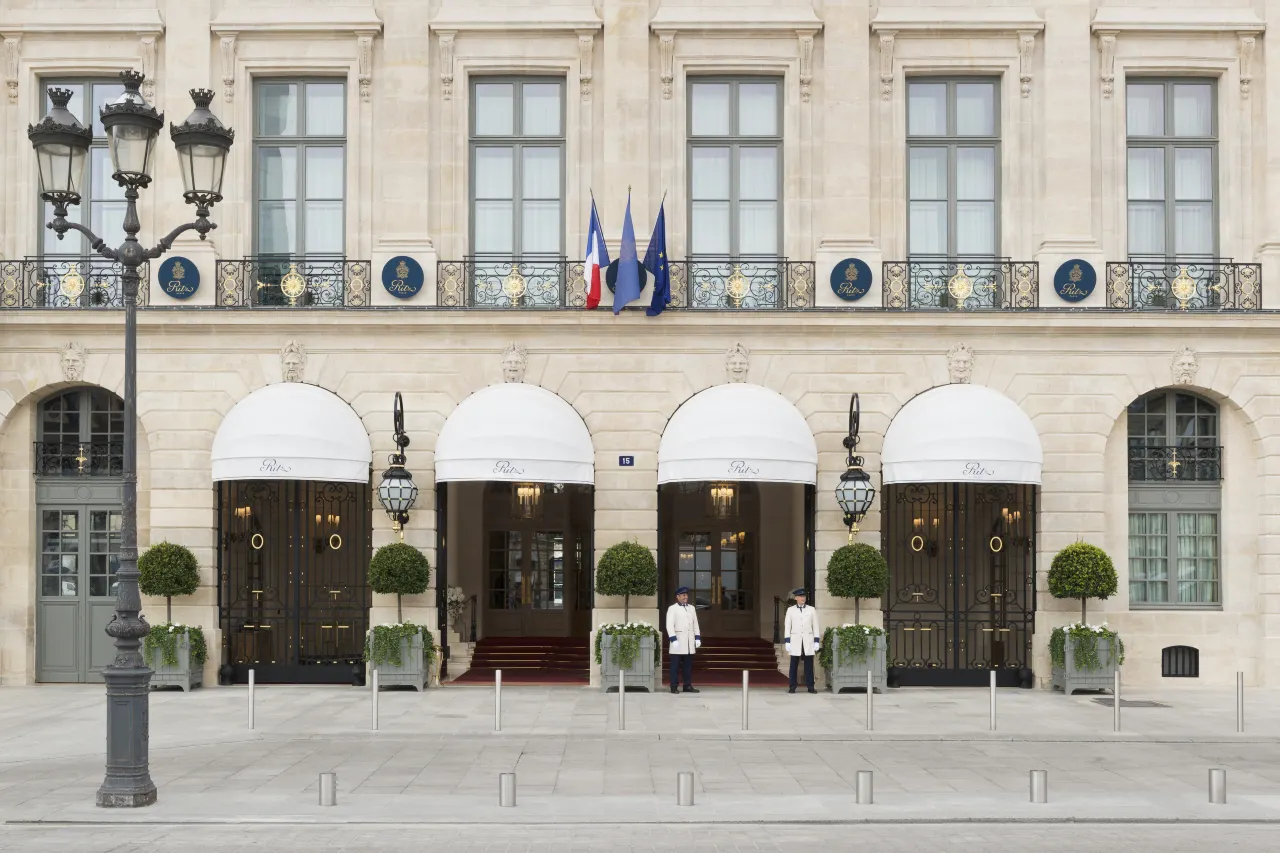
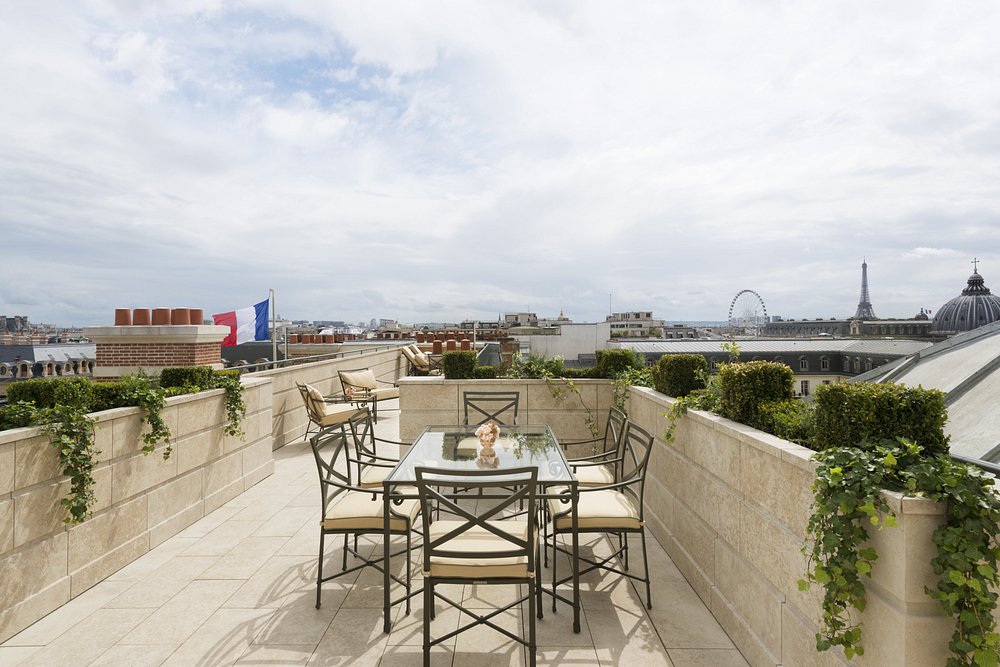
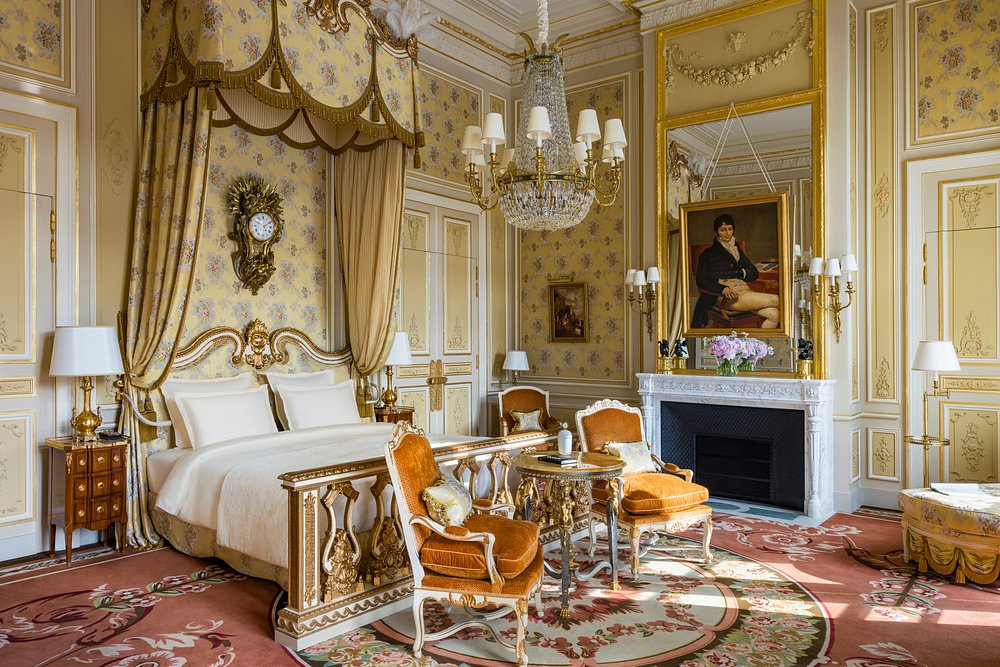
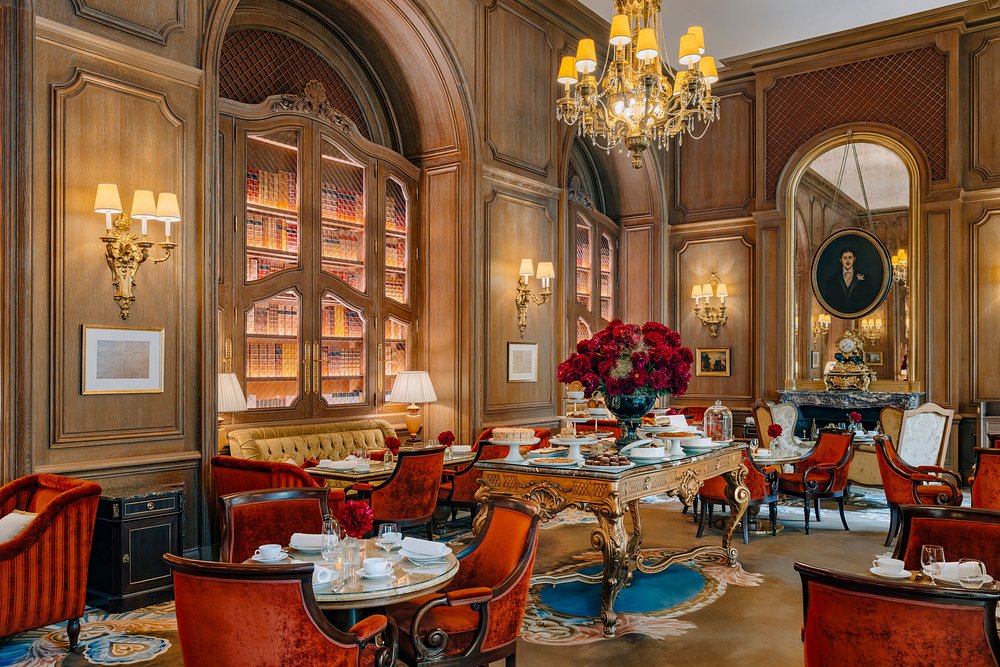
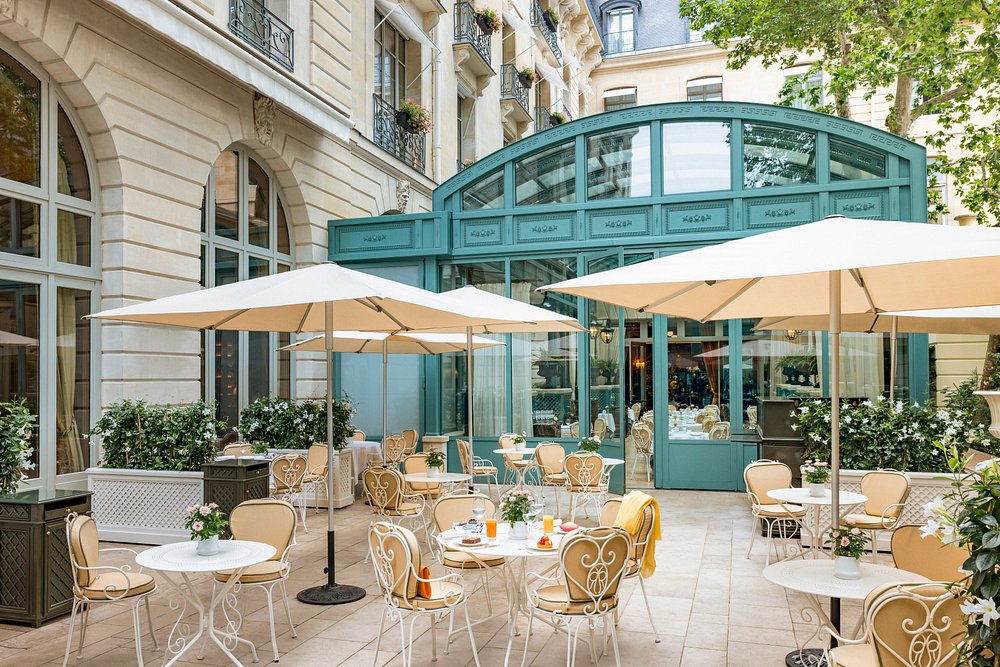
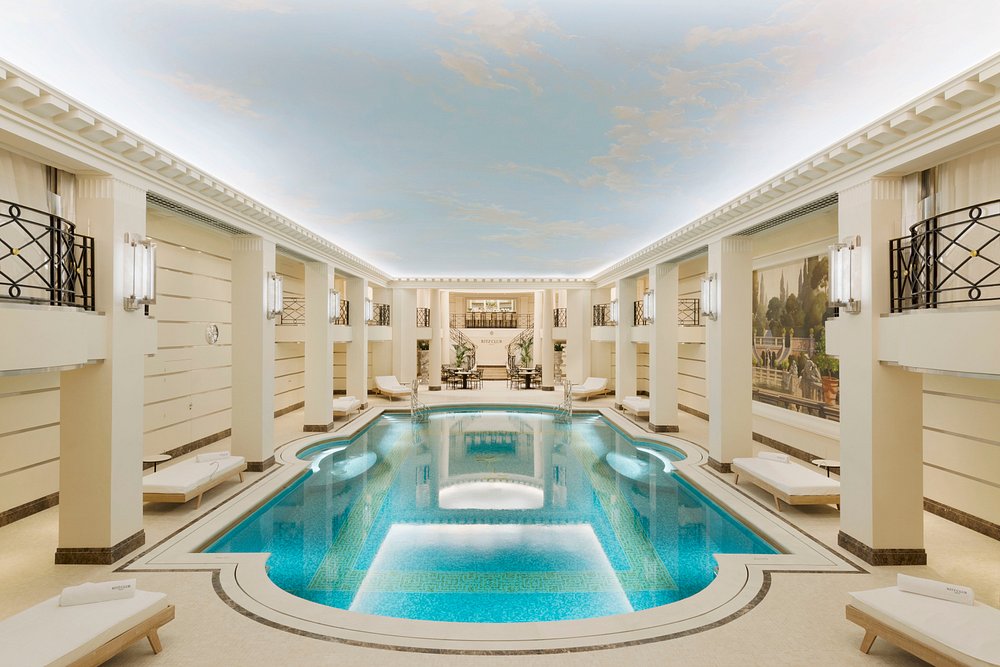
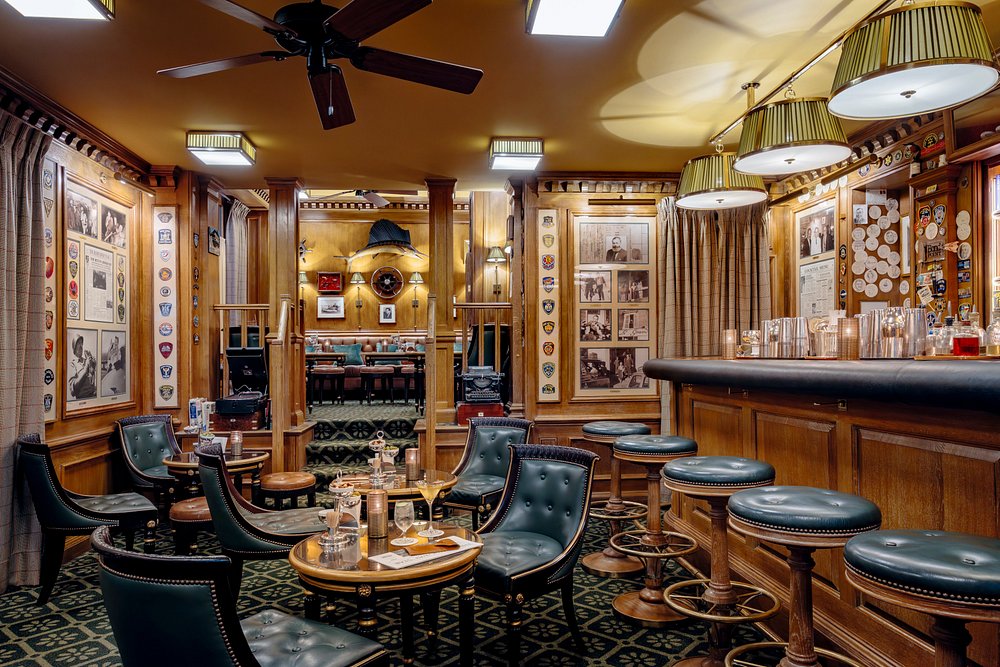
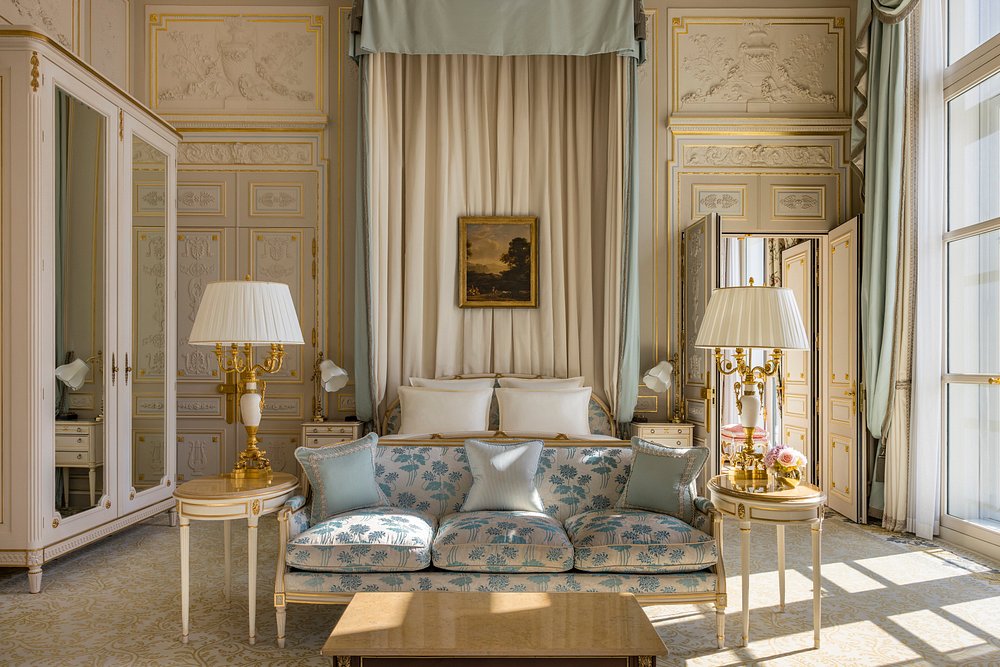
Royal blue in the lobby, a grand staircase and rooms furnished with silks and antique art give the Ritz Paris its richly layered character. César Ritz chose a private mansion on Place Vendôme for the hotel he opened in 1898; he and his wife, Marie-Louise, approached it as a vast private home, mixing periods and French decorative traditions. That residential idea still gives shape to a stay, from individually styled accommodations to the wood-paneled Salon Proust, where books and armchairs frame afternoon tea. Outside, the Grand Jardin extends the hotel’s sequence of salons into greenery, with magnolias, a fountain and wooden alcoves along a trellis gallery.
Ritz hotel ... suites ... dedicated to celebrities who have stayed at the hotel. ... Ernest Hemingway...hotel Ritz ... suite ... dedicate alle celebrità che hanno soggiornato nell’albergo. ... Ernest Hemingway...