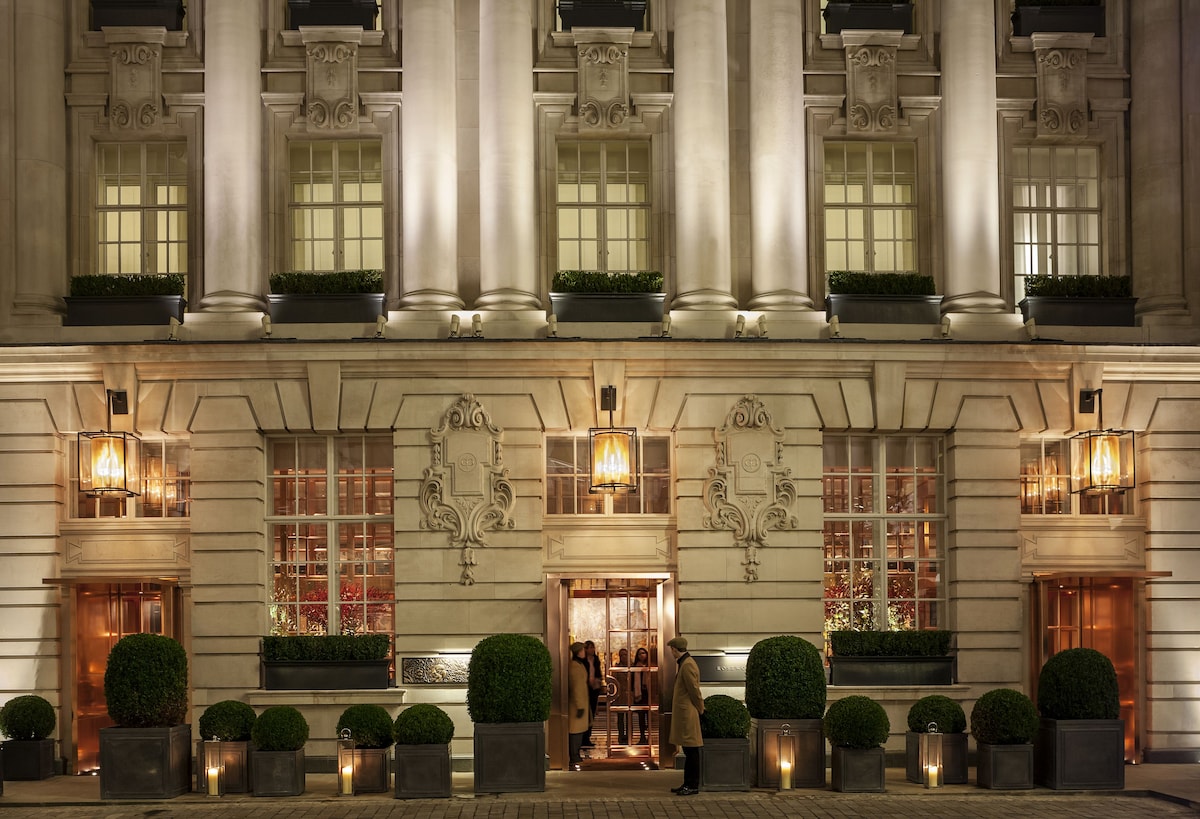
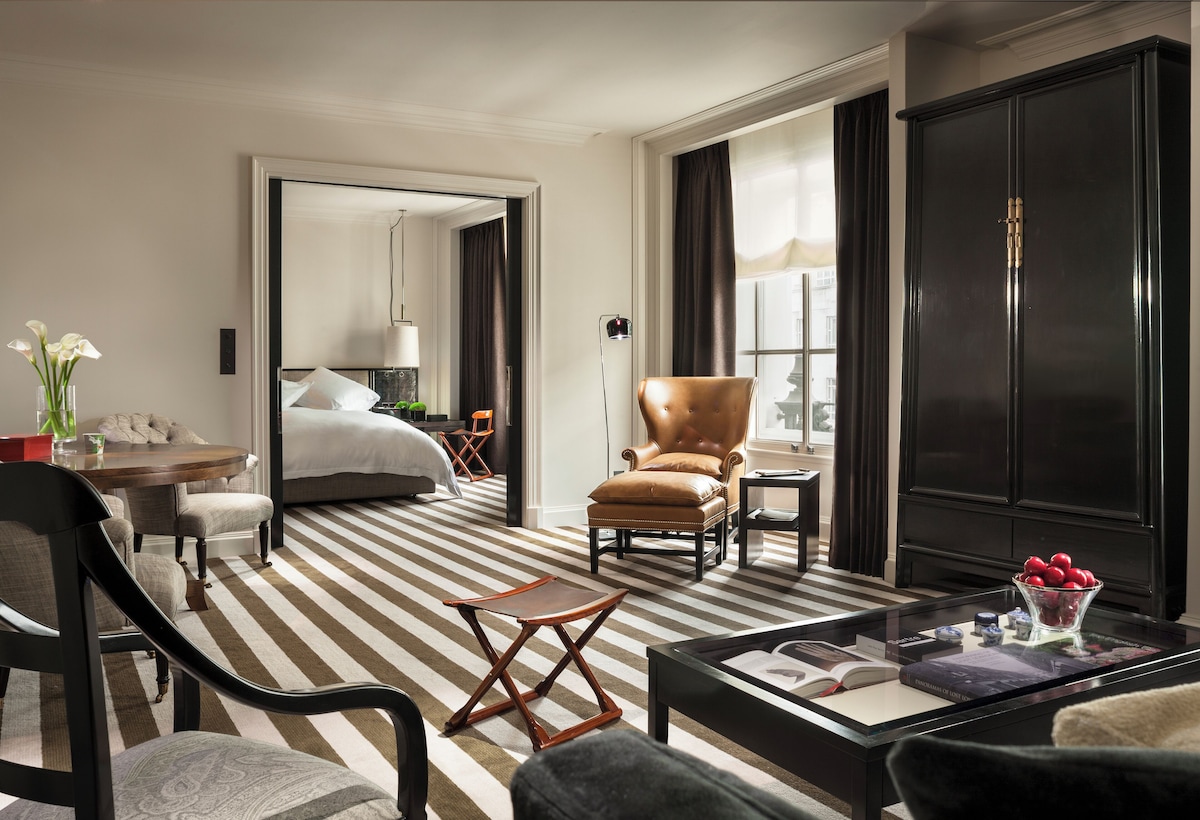
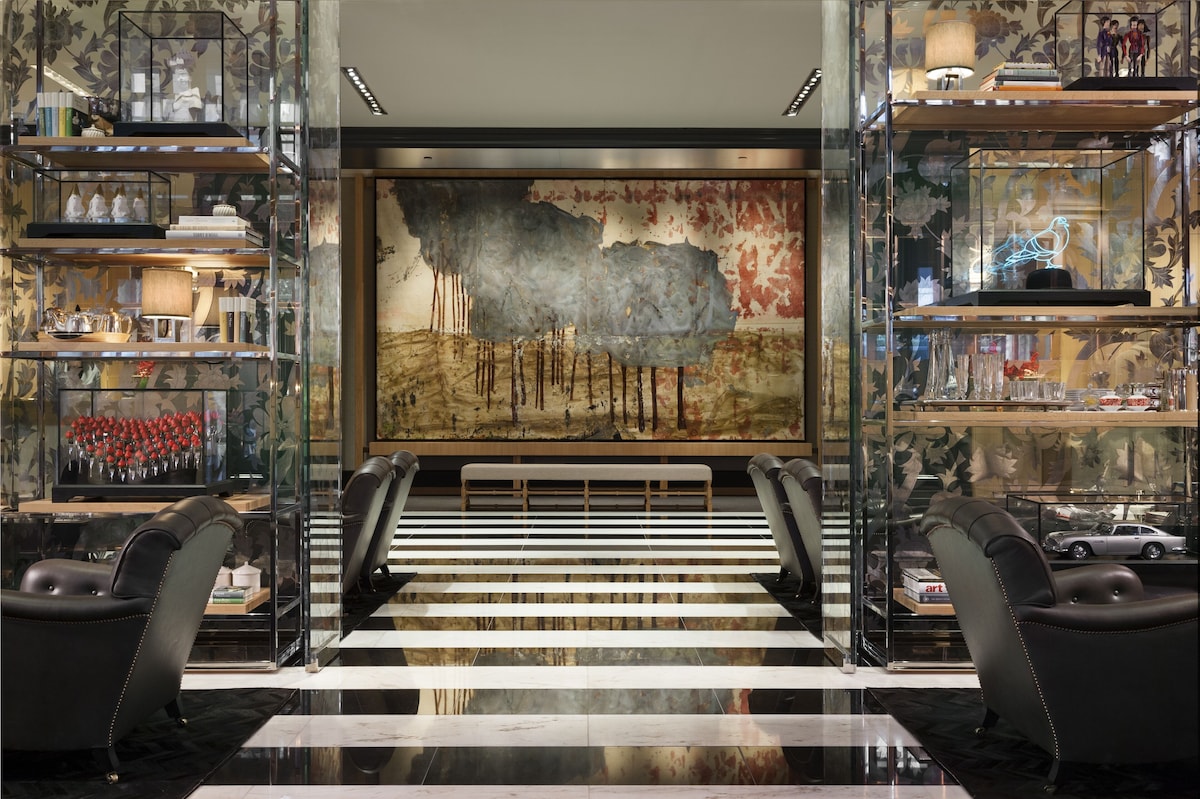
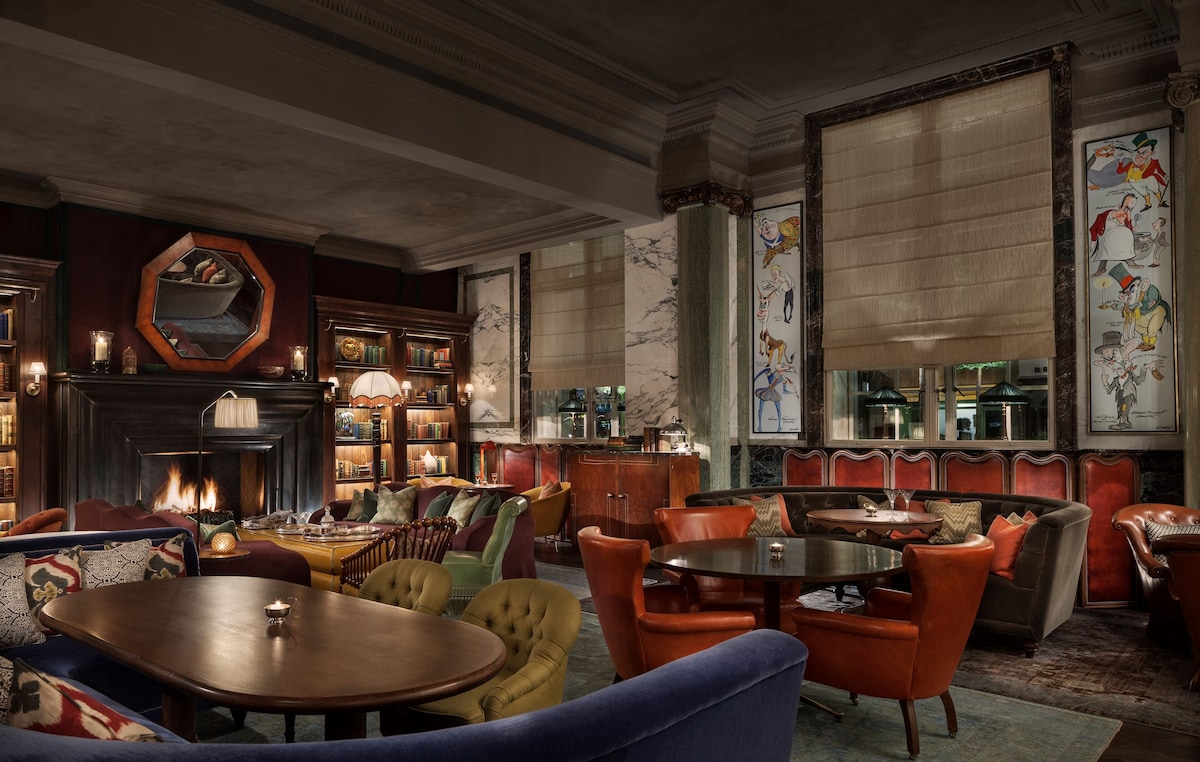
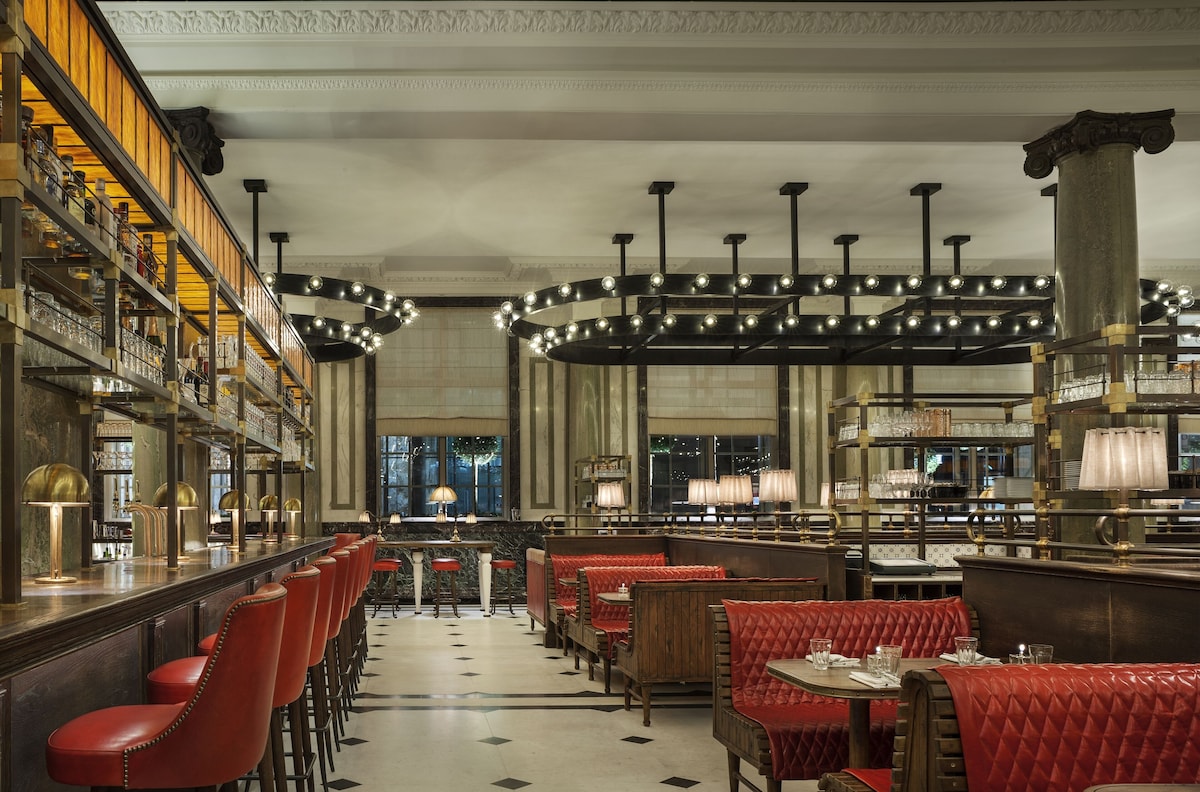
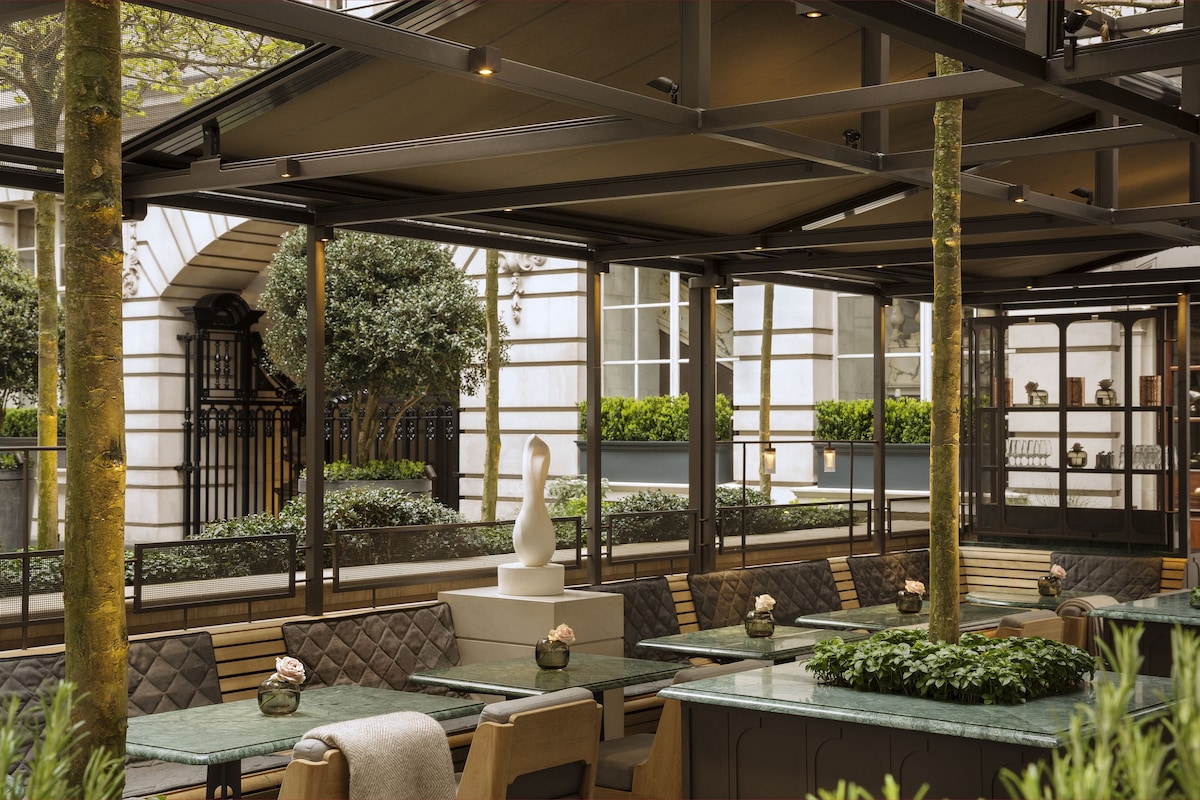
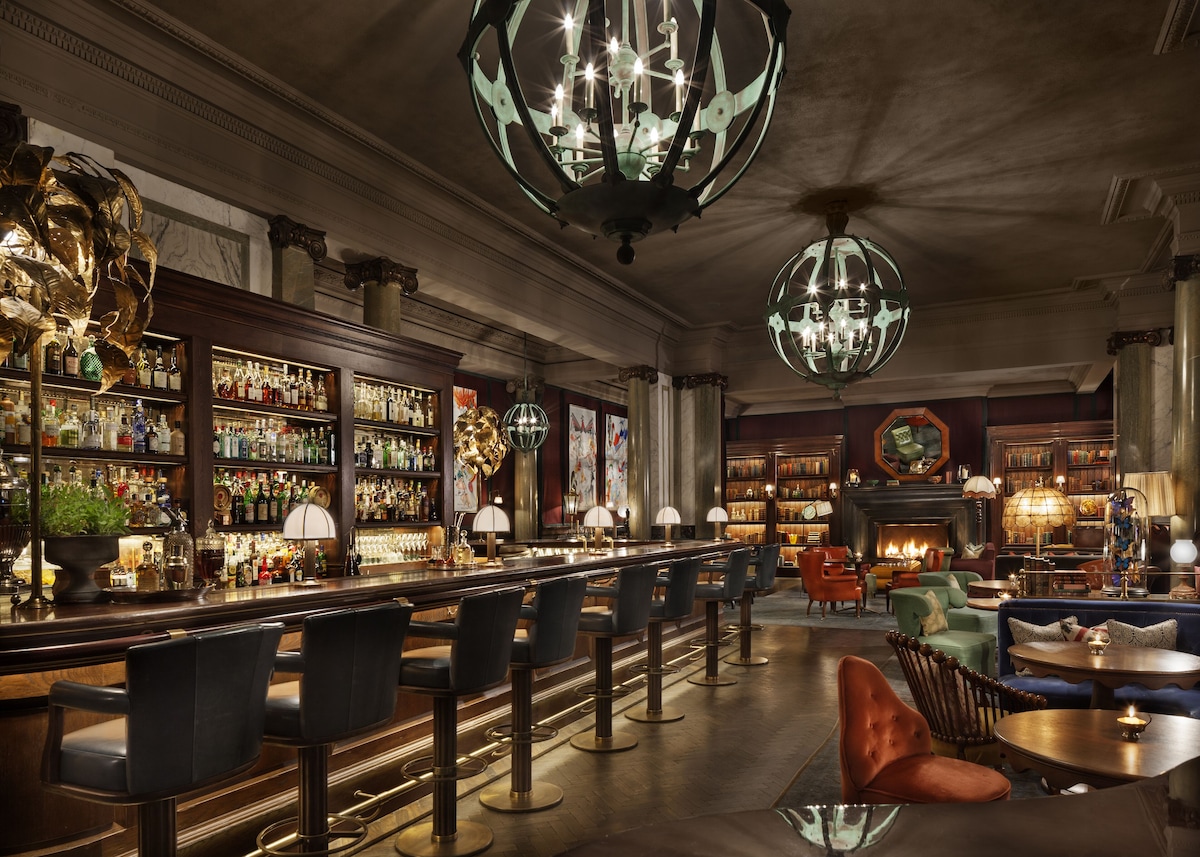
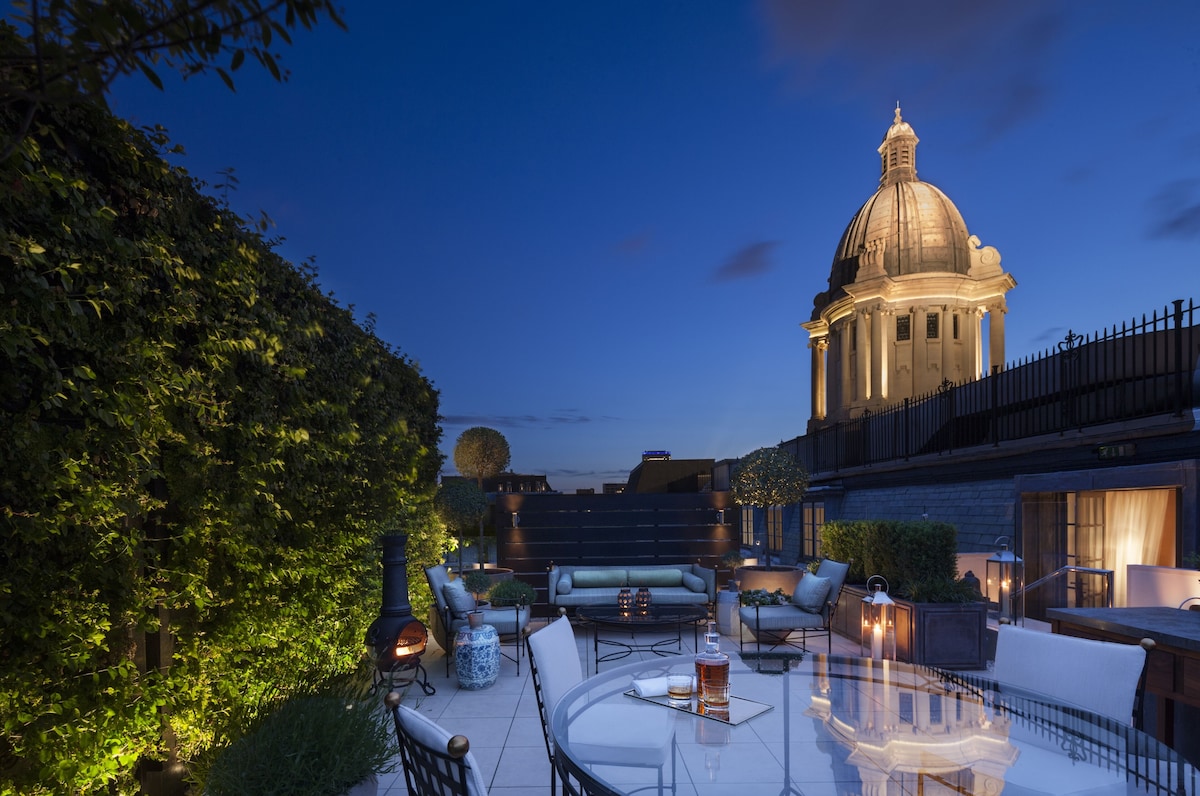
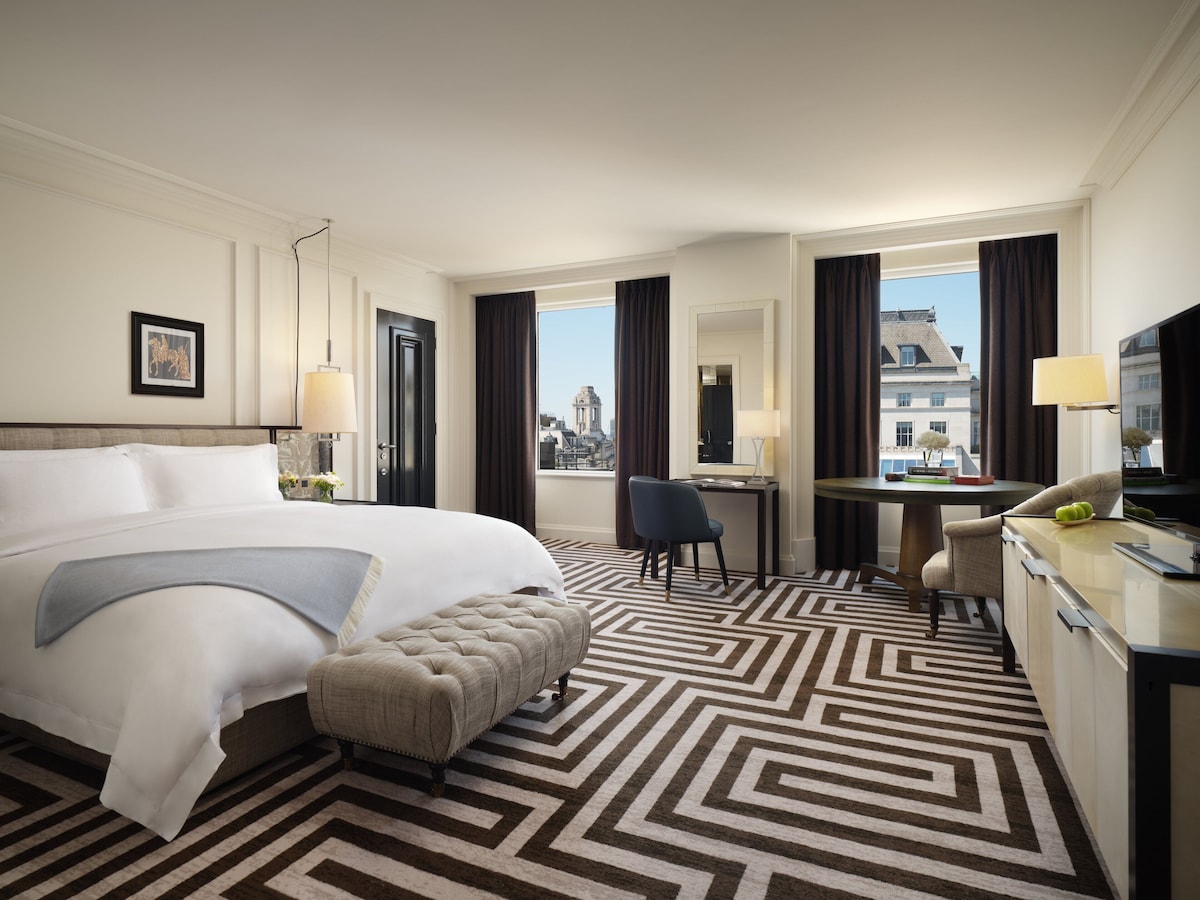
An Edwardian courtyard approached through wrought-iron gates and a carriageway gives Rosewood London a distinctive entrance on High Holborn. Inside, a grand marble staircase anchors the hotel's manor-house character, while its public rooms make space for a more playful expression of British taste. Scarfes Bar pairs Gerald Scarfe's caricatures with velvet armchairs, antique books and live jazz; Holborn Dining Room gives traditional British cooking a prominent place, with a dedicated pie kitchen and a takeaway hatch. Art carries through to the Mirror Room's Monet-inspired afternoon tea. Together, these details give the hotel a personality rooted as much in illustration, craft and cooking as in architectural grandeur.
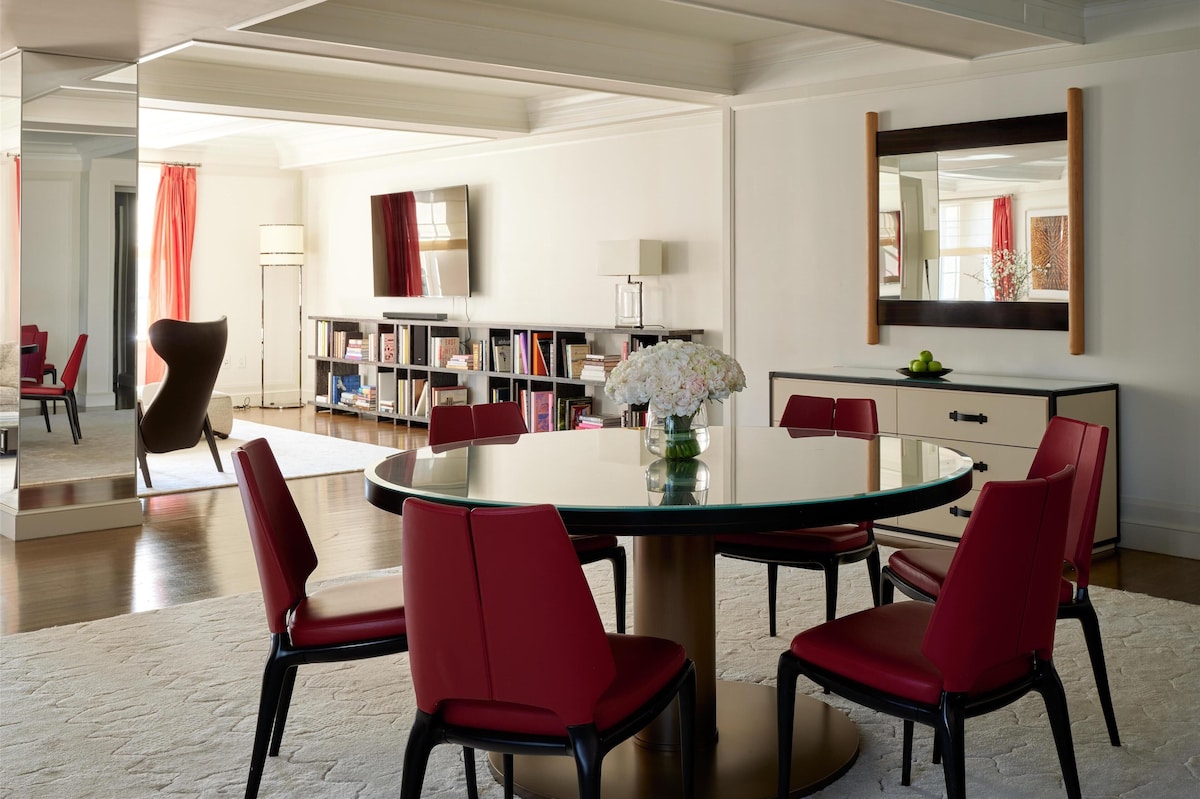
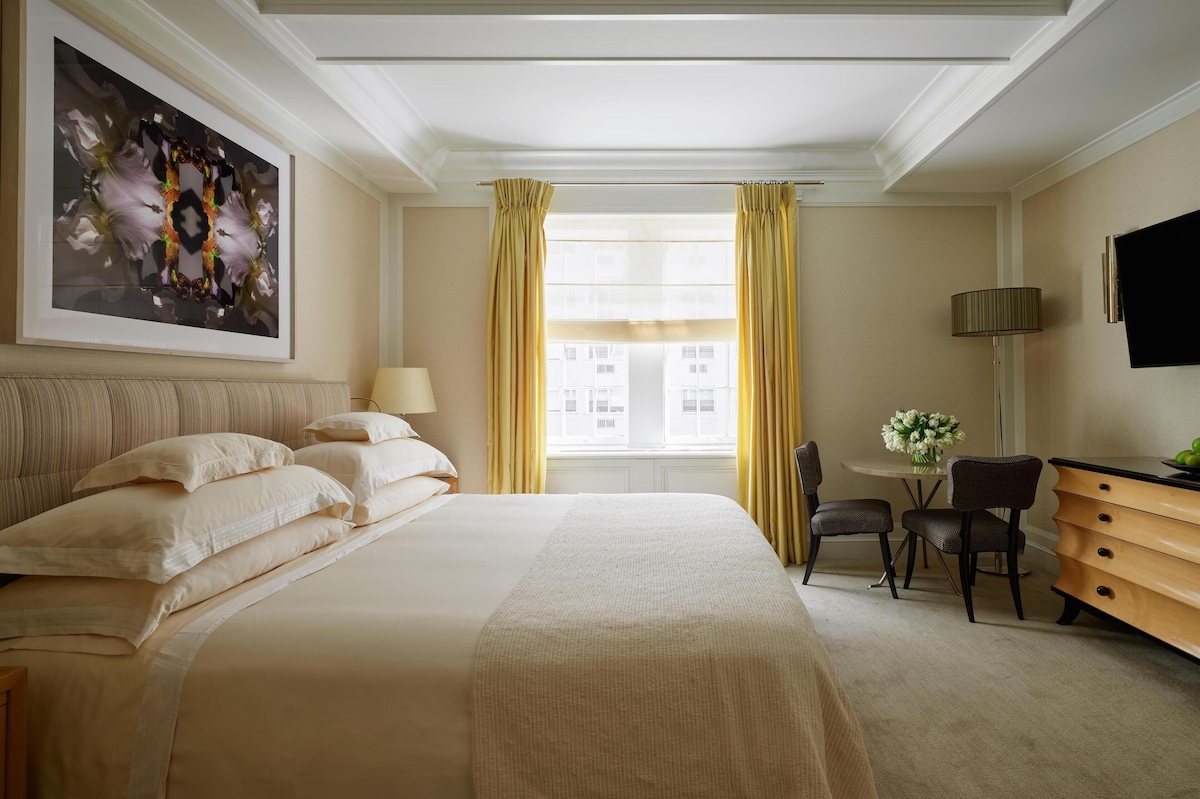
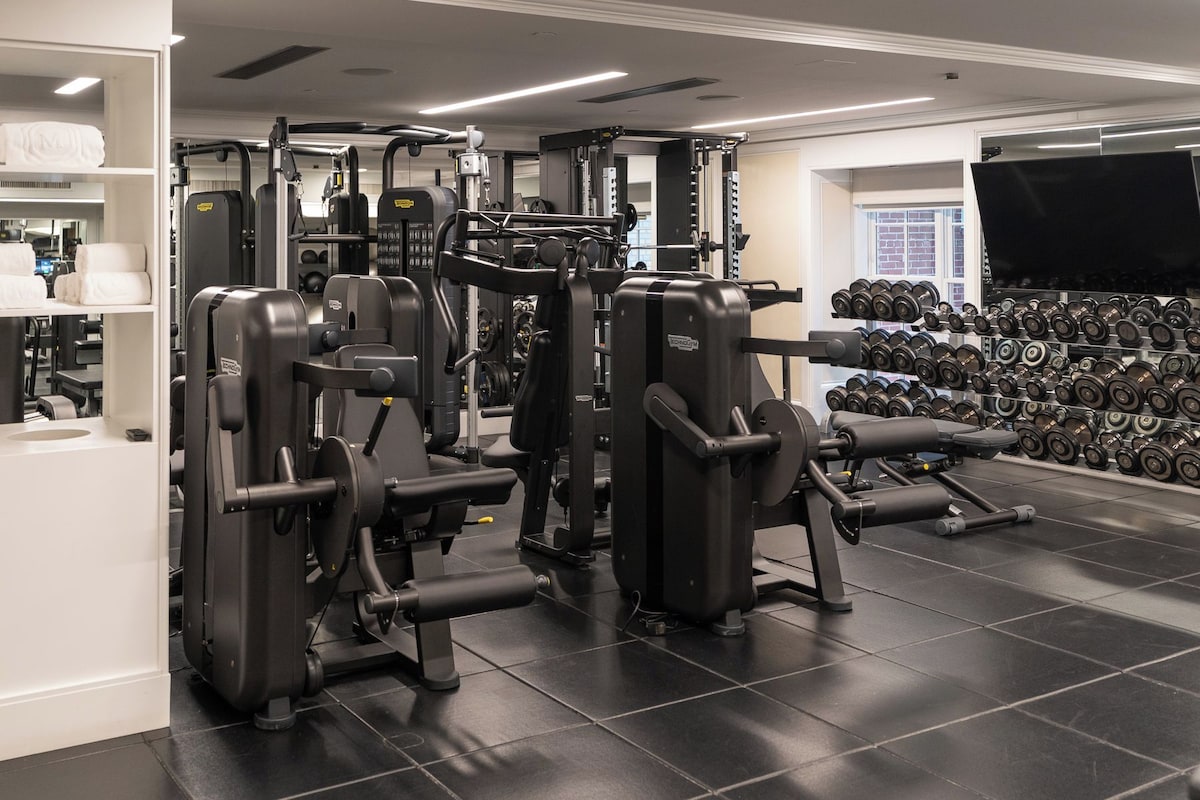
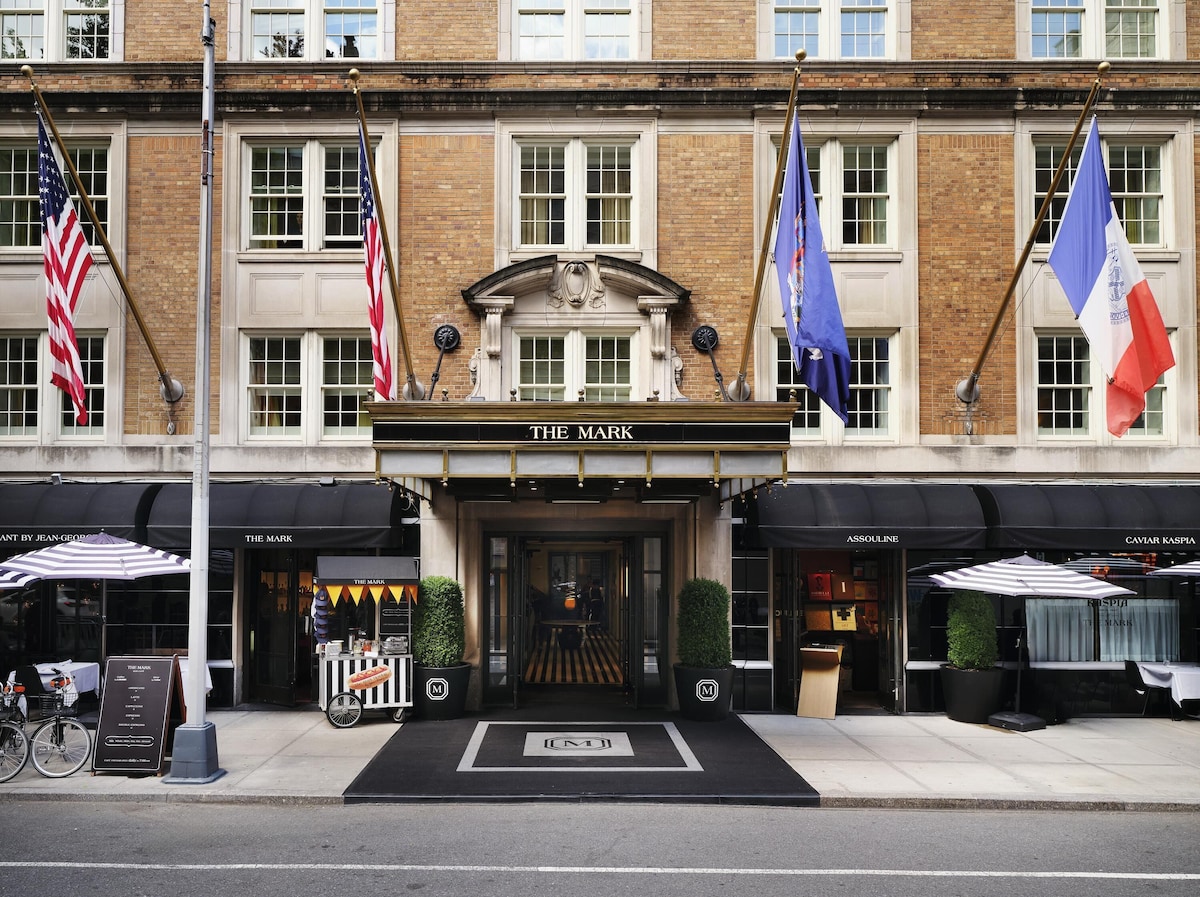
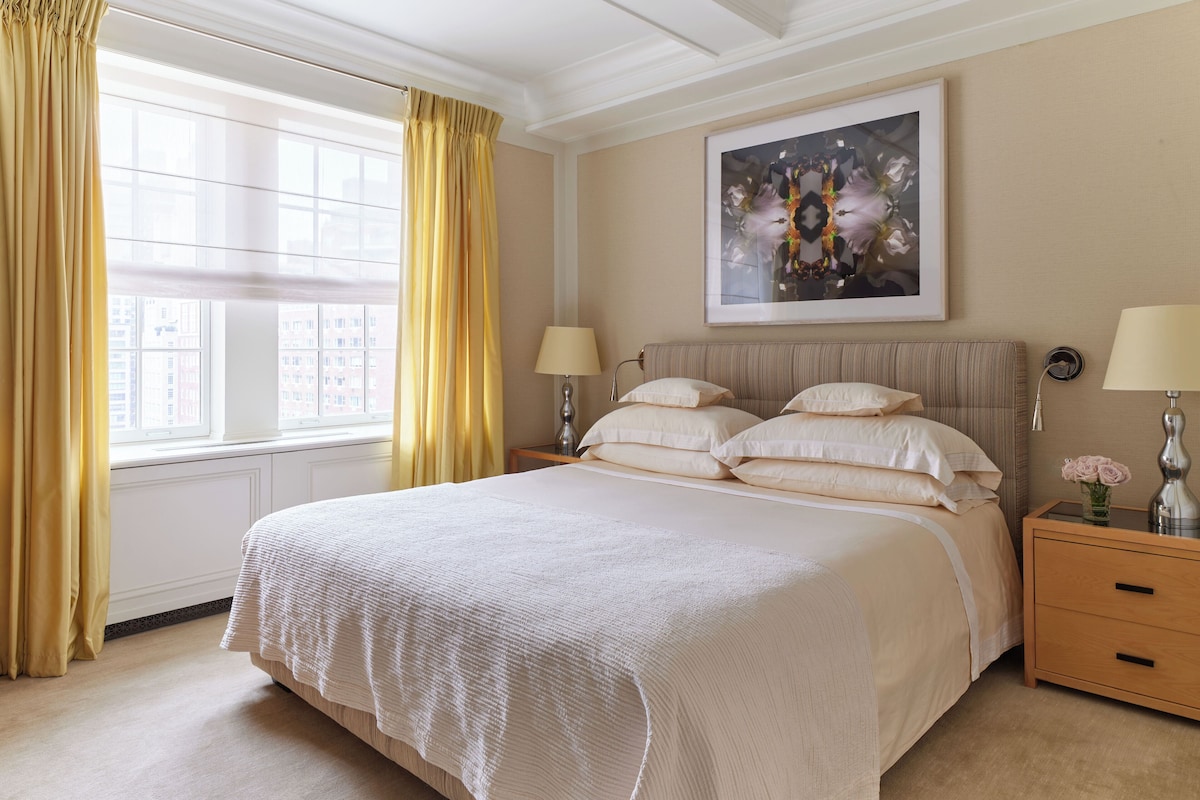
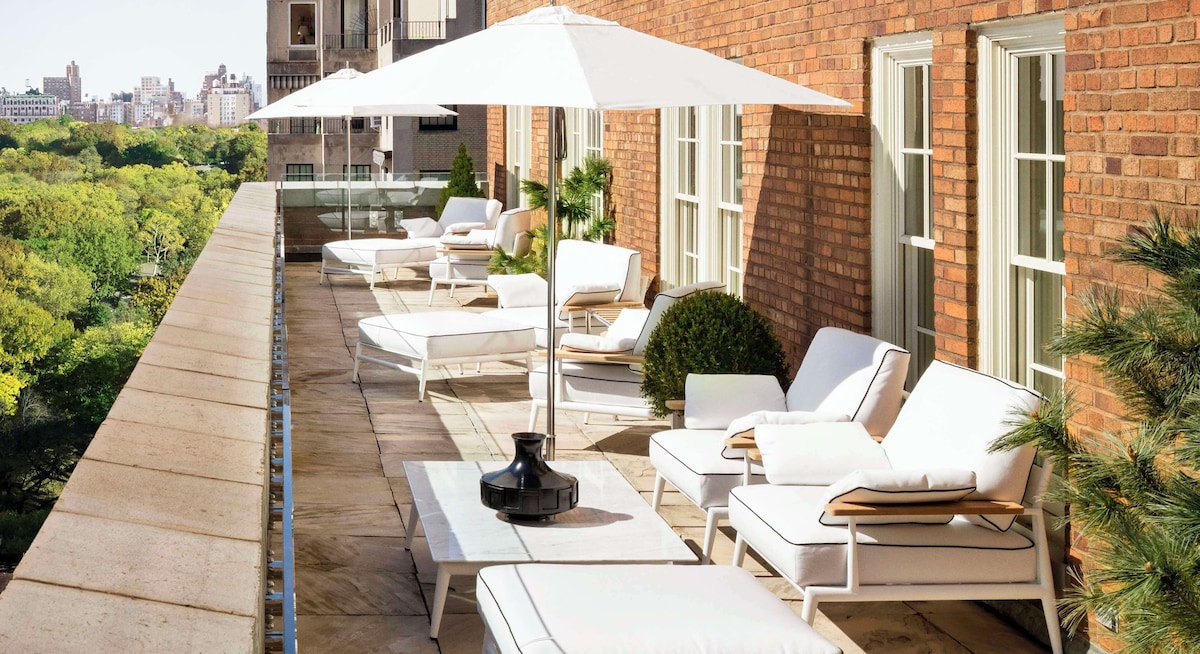
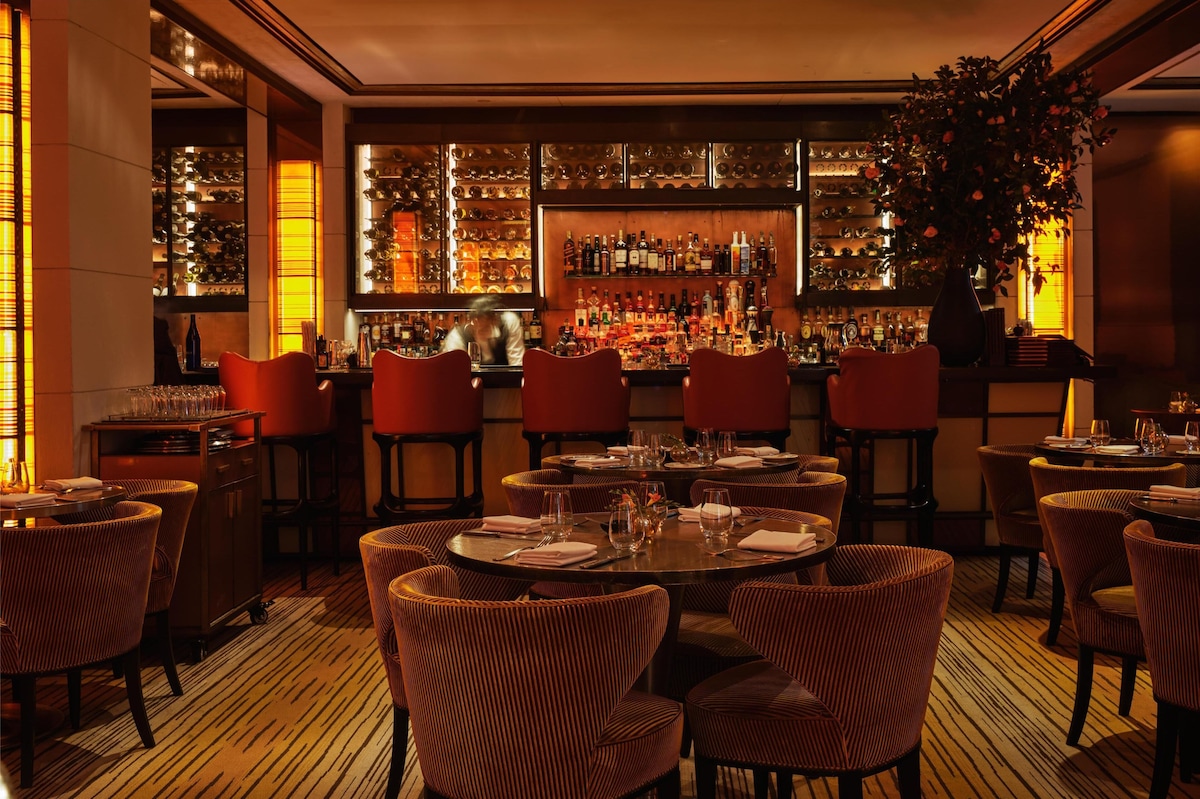
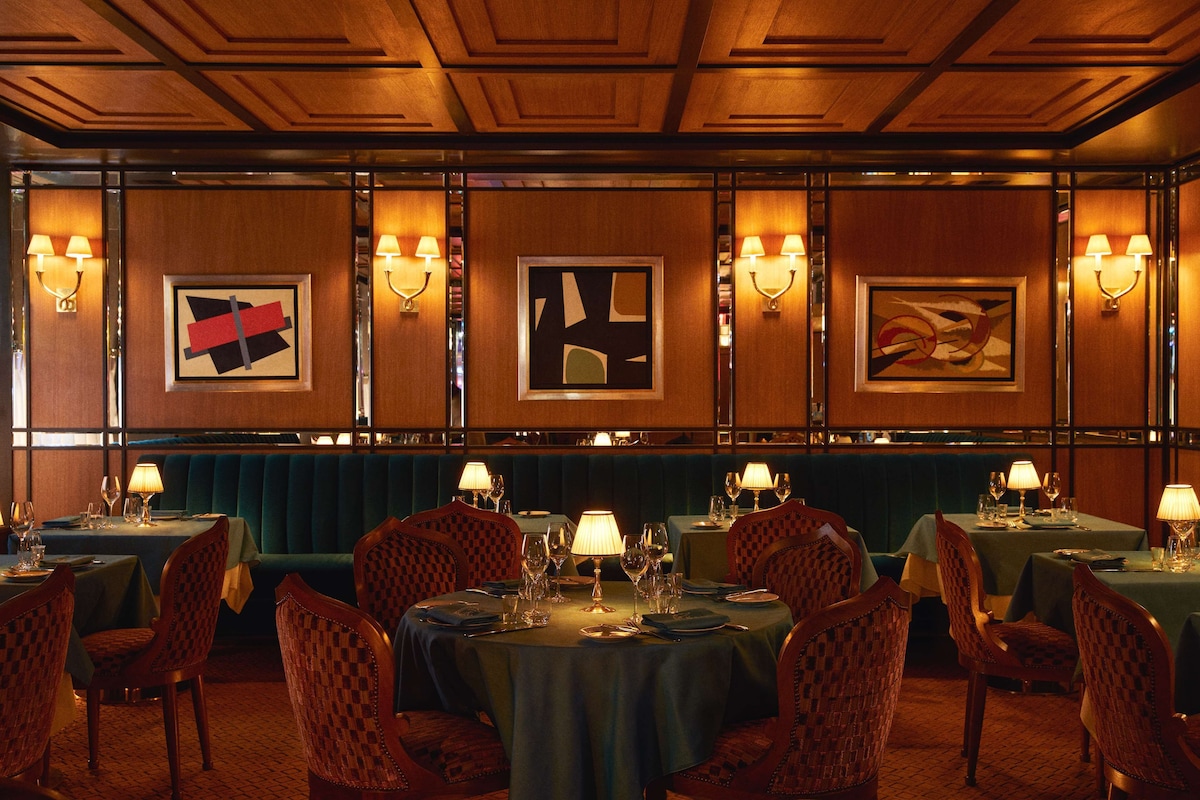
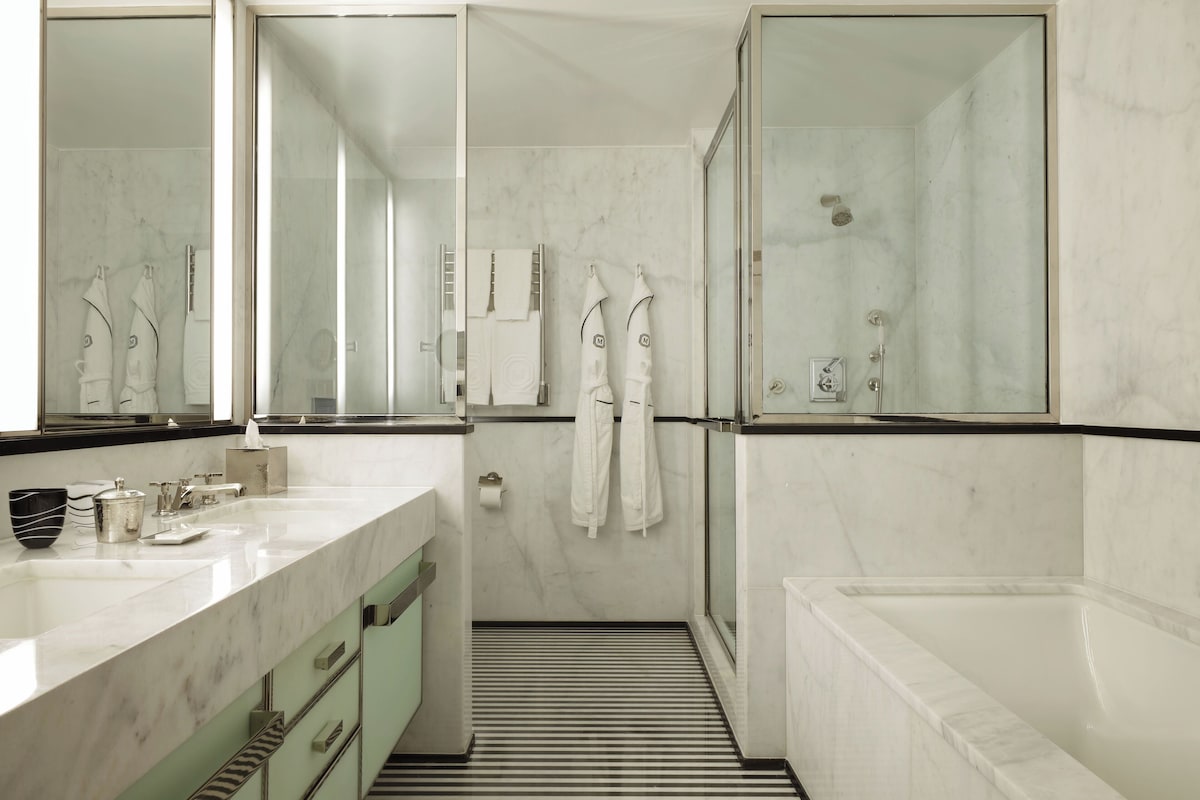
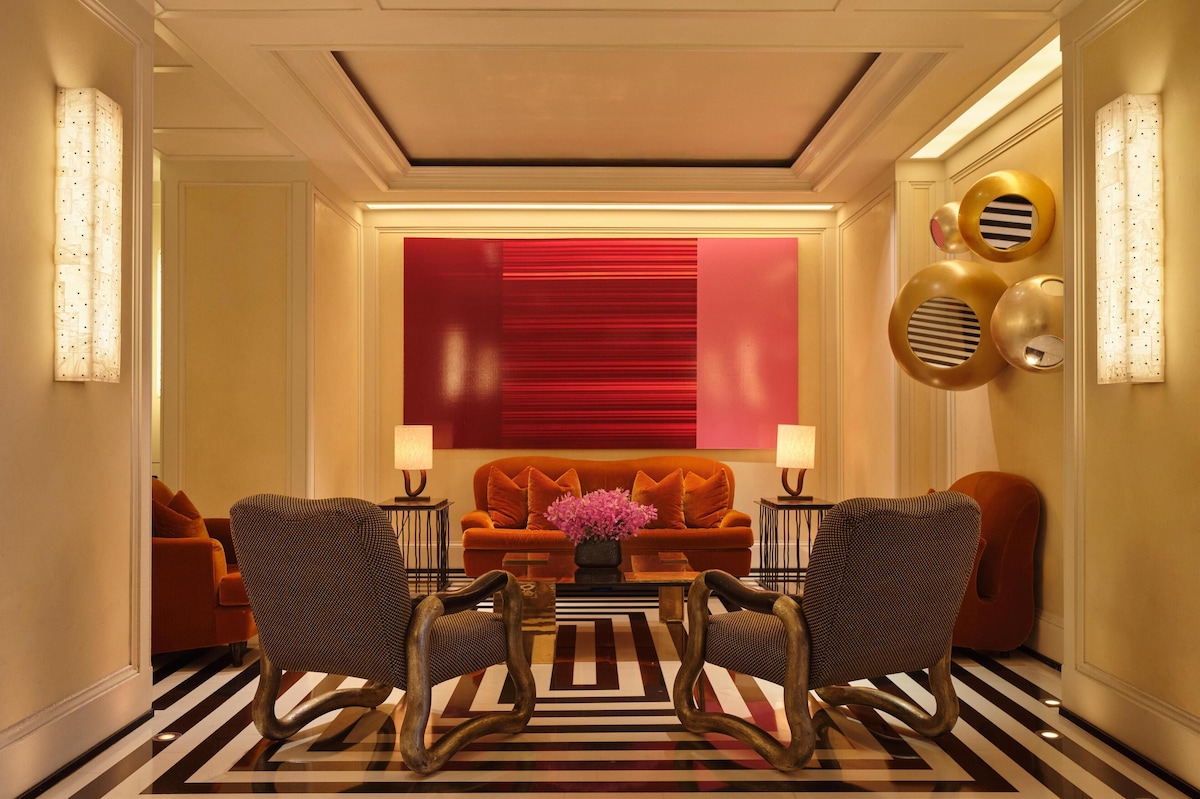
Jacques Grange gave The Mark a distinctive design vocabulary: bold black-and-white stripes, custom furnishings, and art and lighting commissioned specifically for the hotel. Working with Parisian antiquaire Pierre Passebon, he brought in contributors including Ron Arad, Vladimir Kagan, and Mattia Bonetti, giving the public spaces the appeal of a design collection. Upstairs, rooms take a more uncluttered approach, with views over Madison Avenue, East 77th Street, or townhouse gardens. The Upper East Side address puts Central Park and the Metropolitan Museum of Art within easy reach, while Jean-Georges Vongerichten’s restaurant and Caviar Kaspia—with its caviar-topped twice-baked potato—give visitors reasons to linger downstairs.
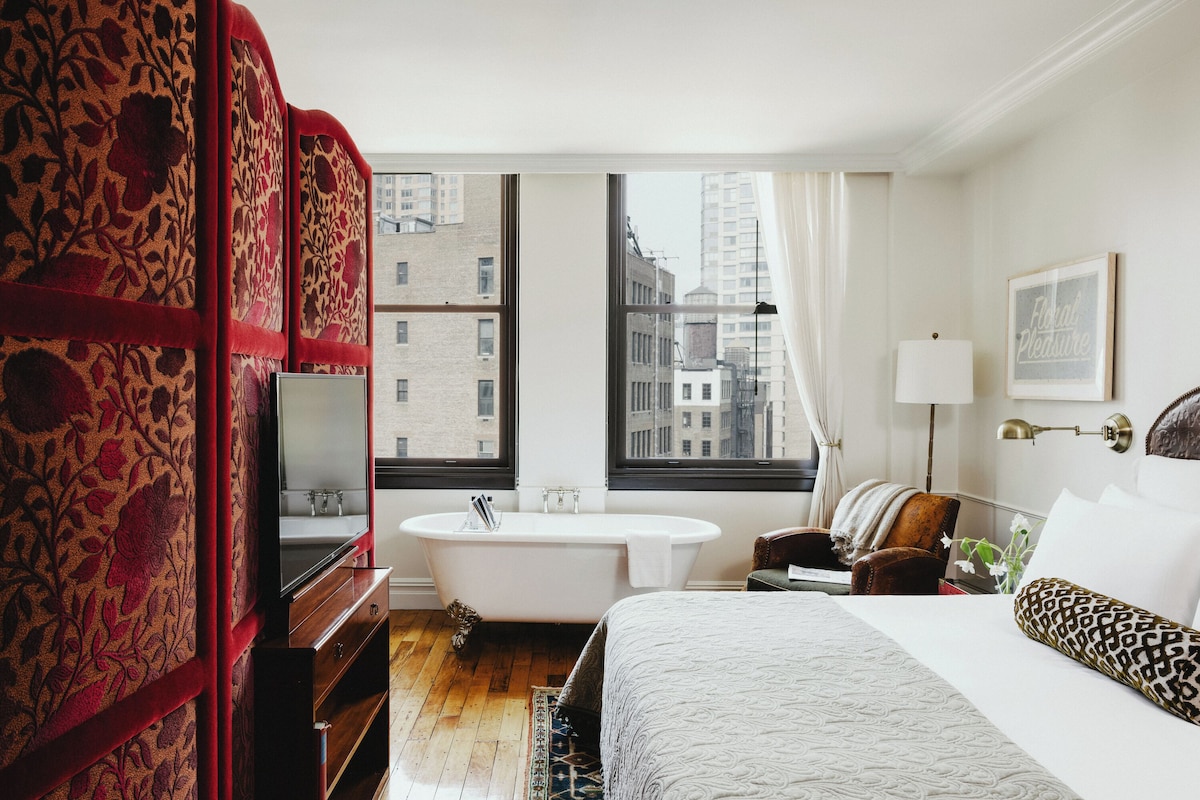
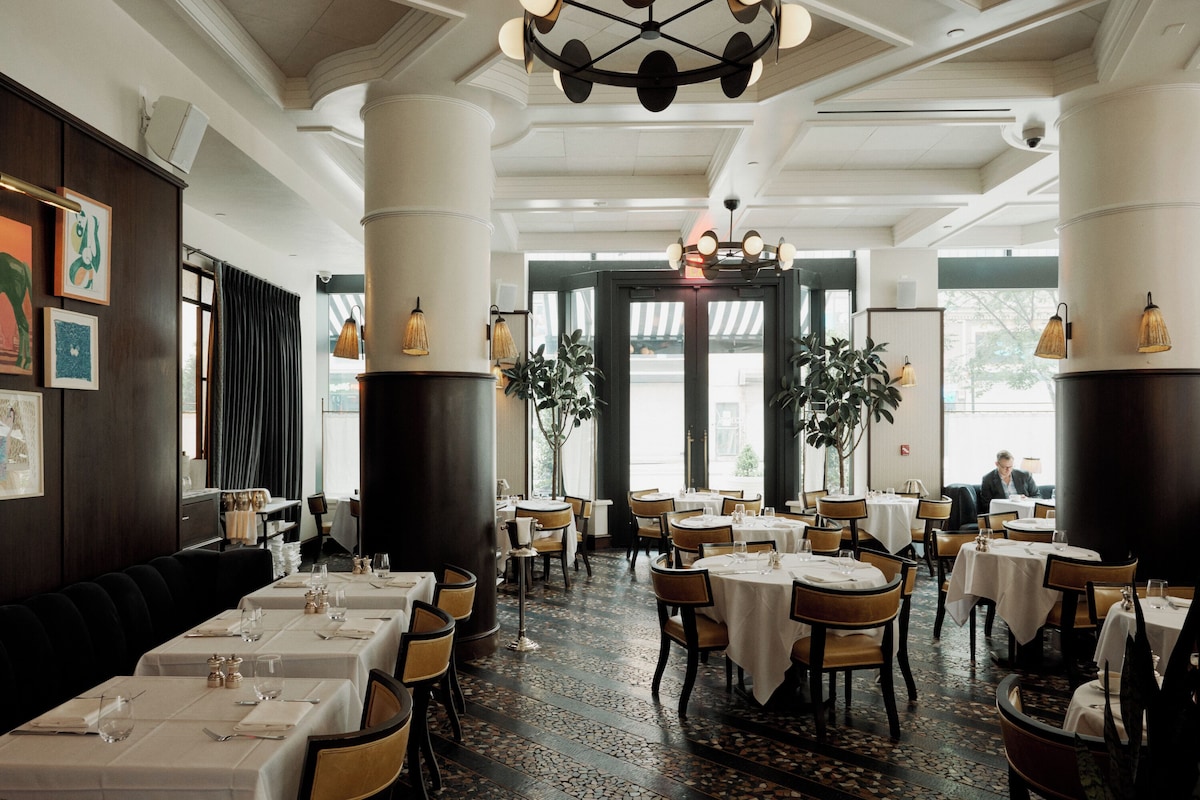
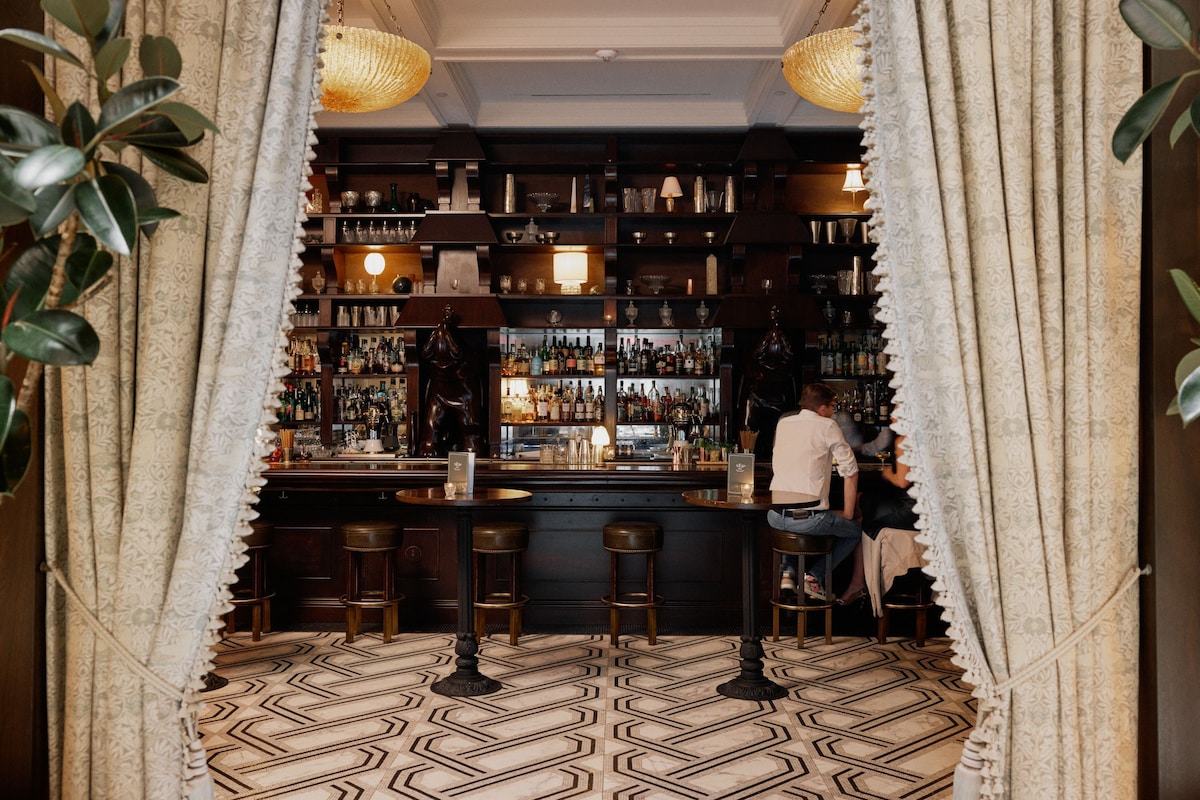
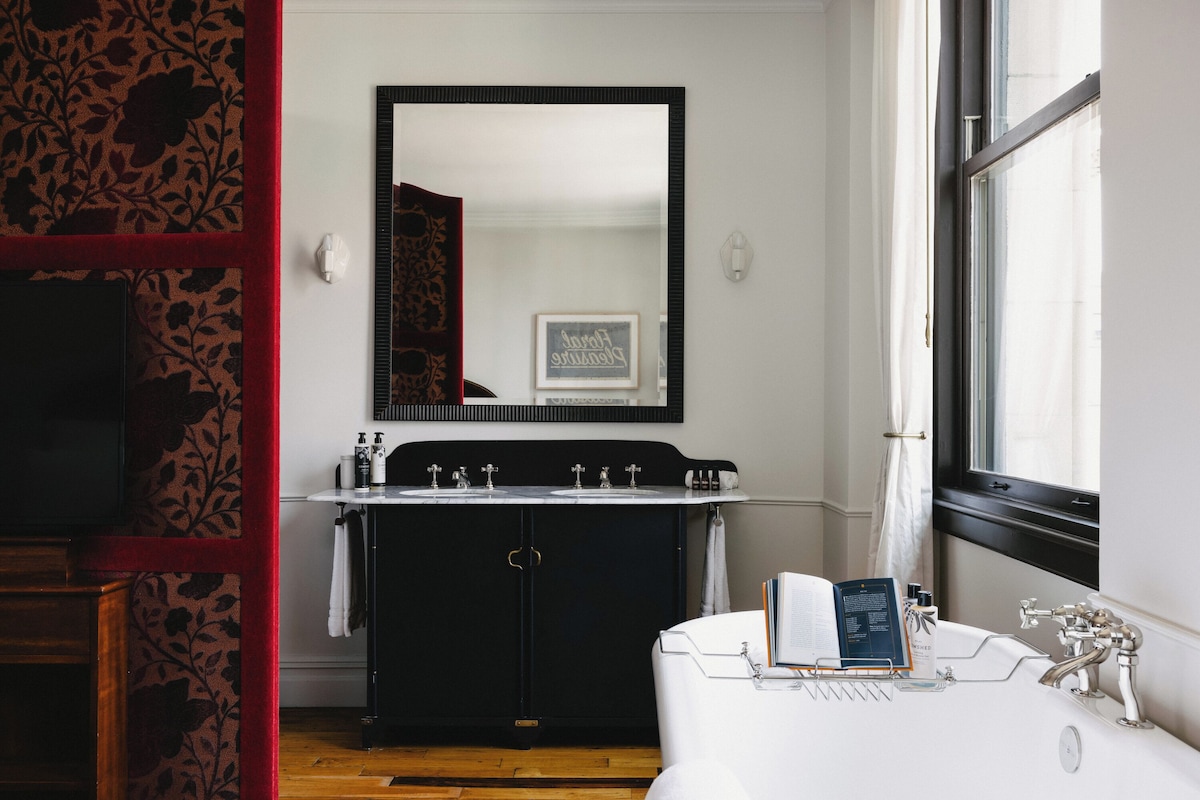
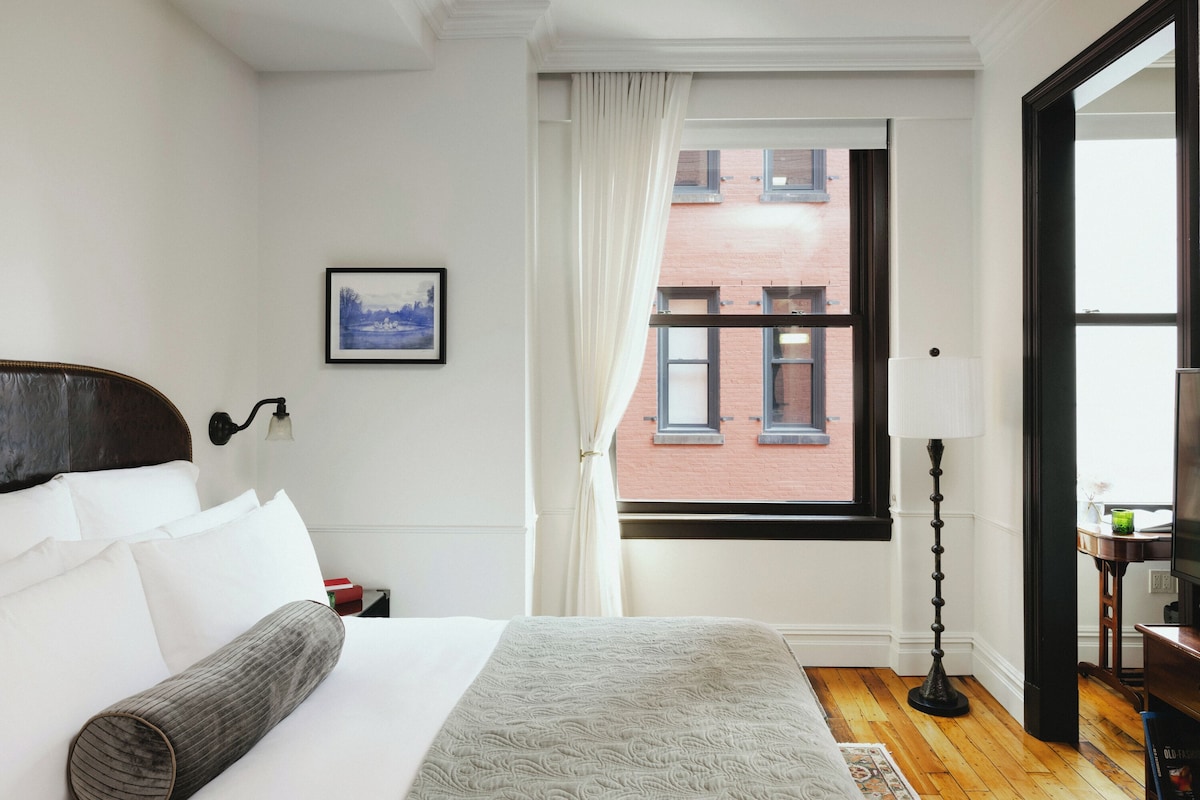
Nightly live entertainment on the Atrium’s stage gives The Ned NoMad a social center, fitting for a hotel that shares its home with a private members’ club. Set in the 1903 Johnston Building on Broadway, its 167 bedrooms and suites carry the period character upstairs: Deluxe rooms and Atrium Studios feature Beaux-Arts touches, while the Johnston Terrace Suite adds separate living and dining rooms and a private terrace. Public dining is part of the draw, too. Cecconi’s takes its cues from mid-century Italian trattorias, and Little Ned pairs classic cocktails and bar food with Empire State Building views. The mix of historic interiors, dining and club life gives this Manhattan address its particular identity.
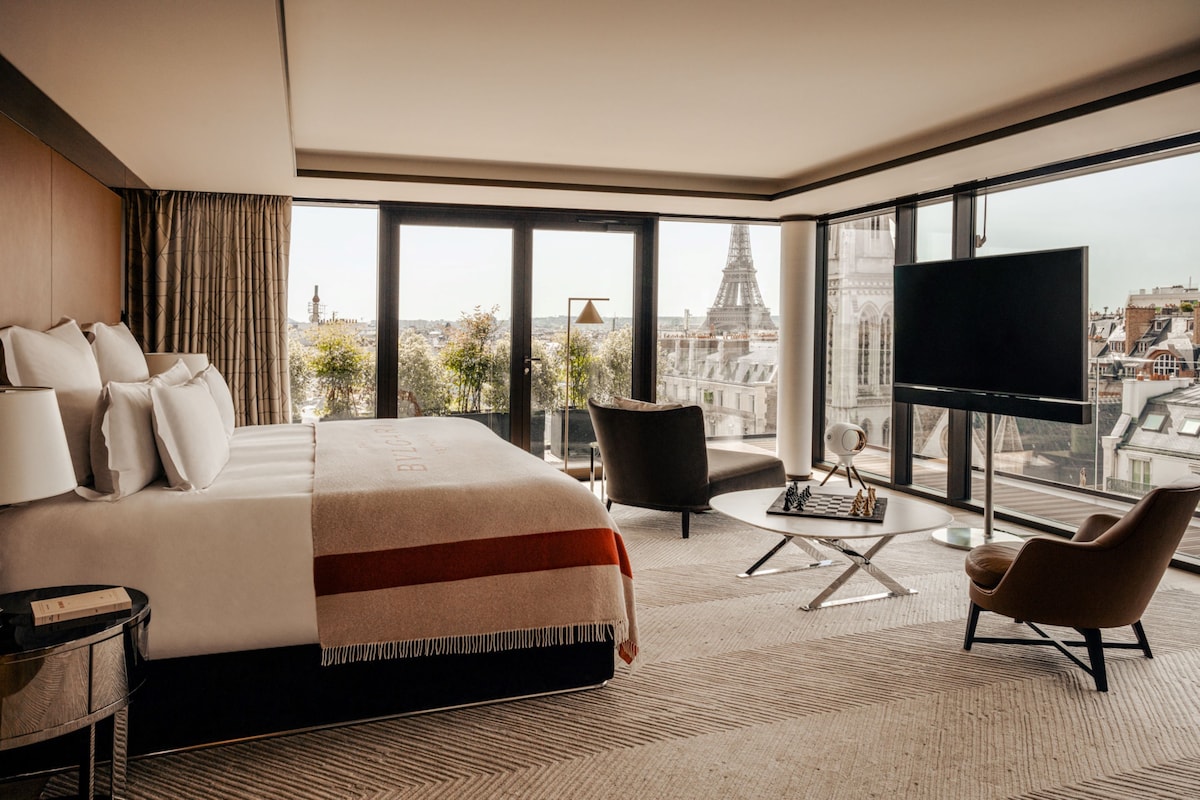
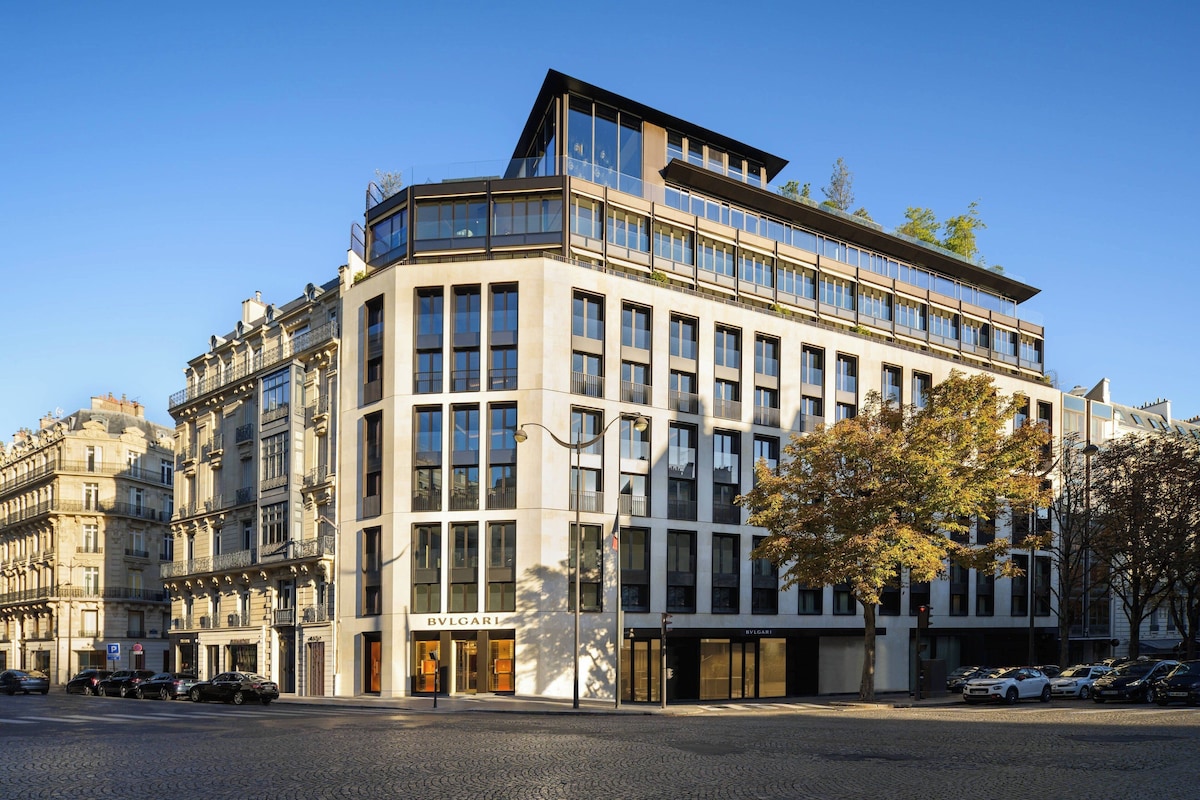
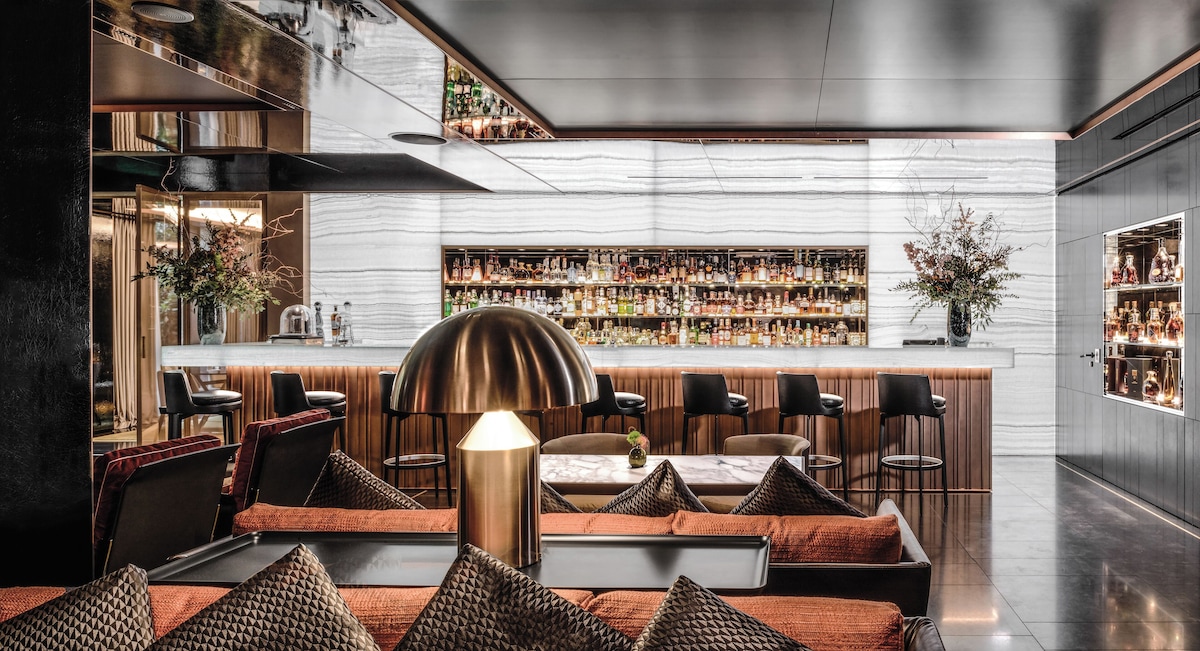
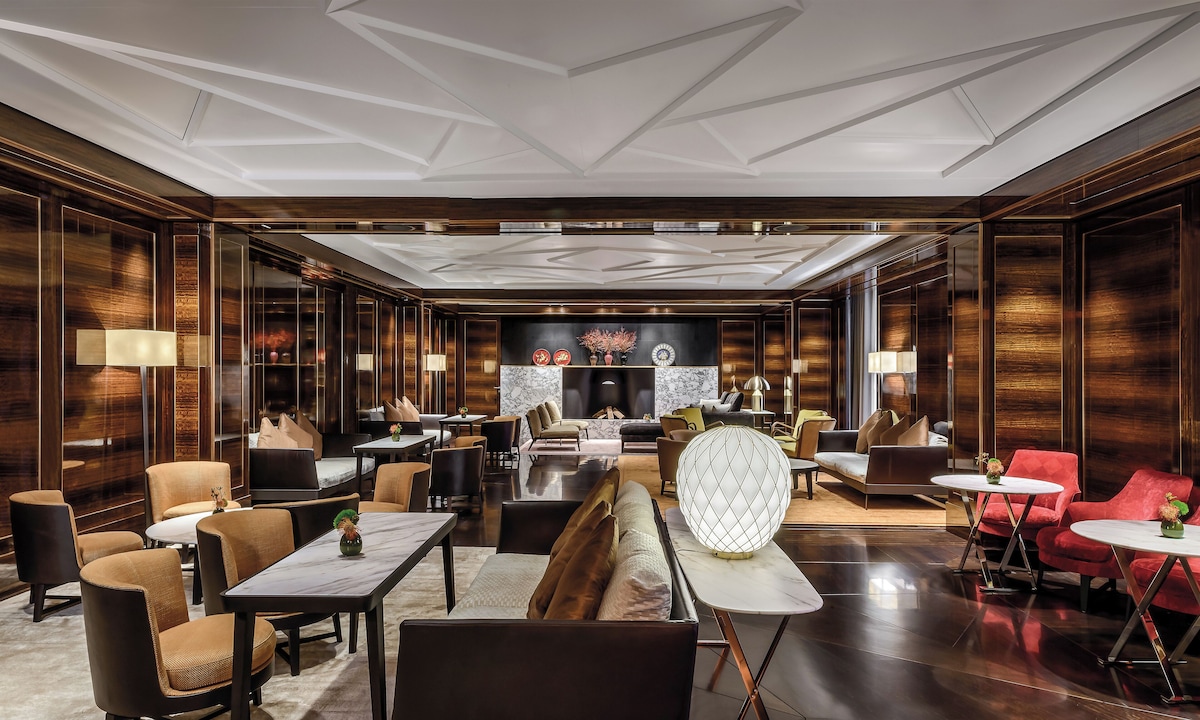
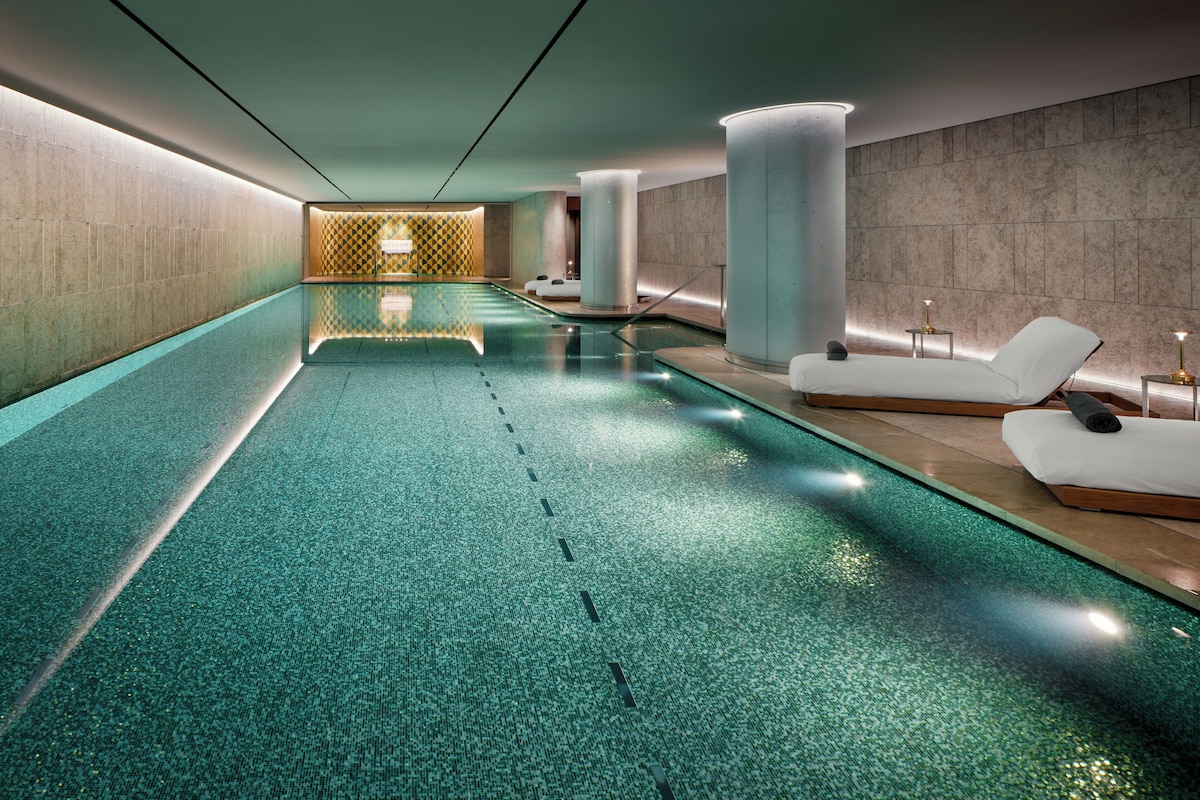
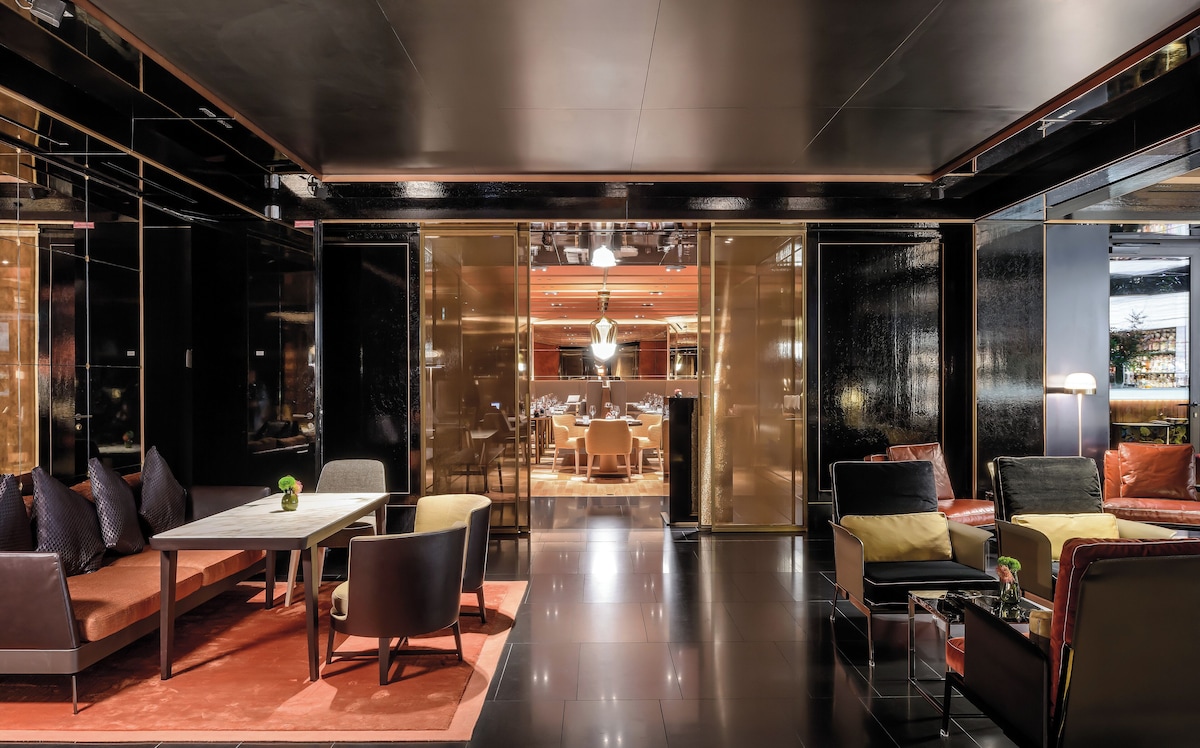
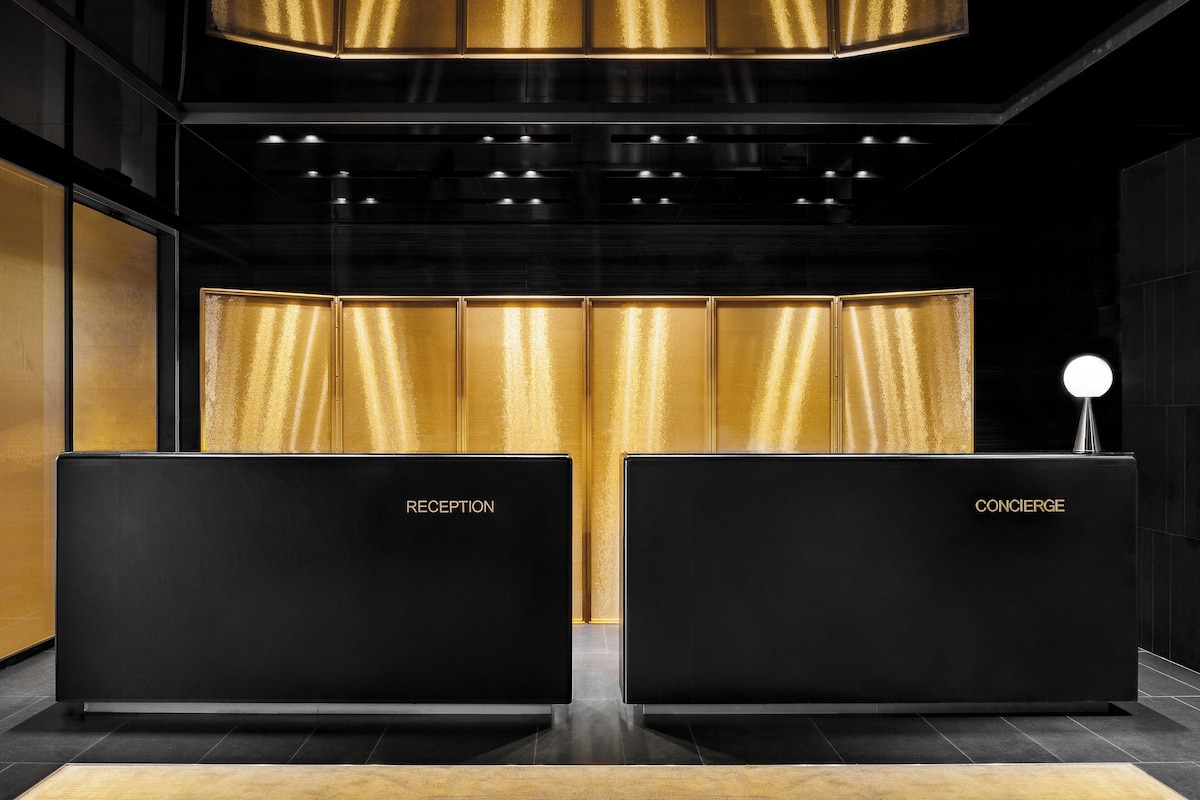
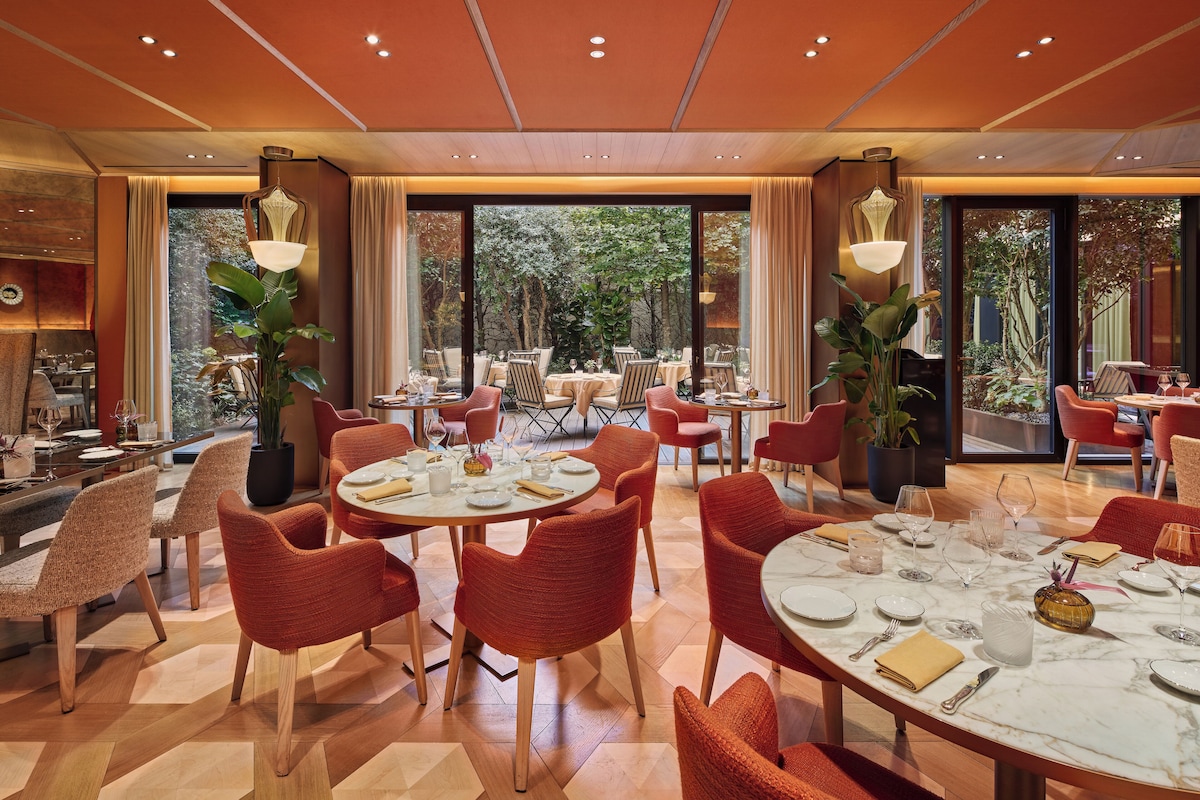
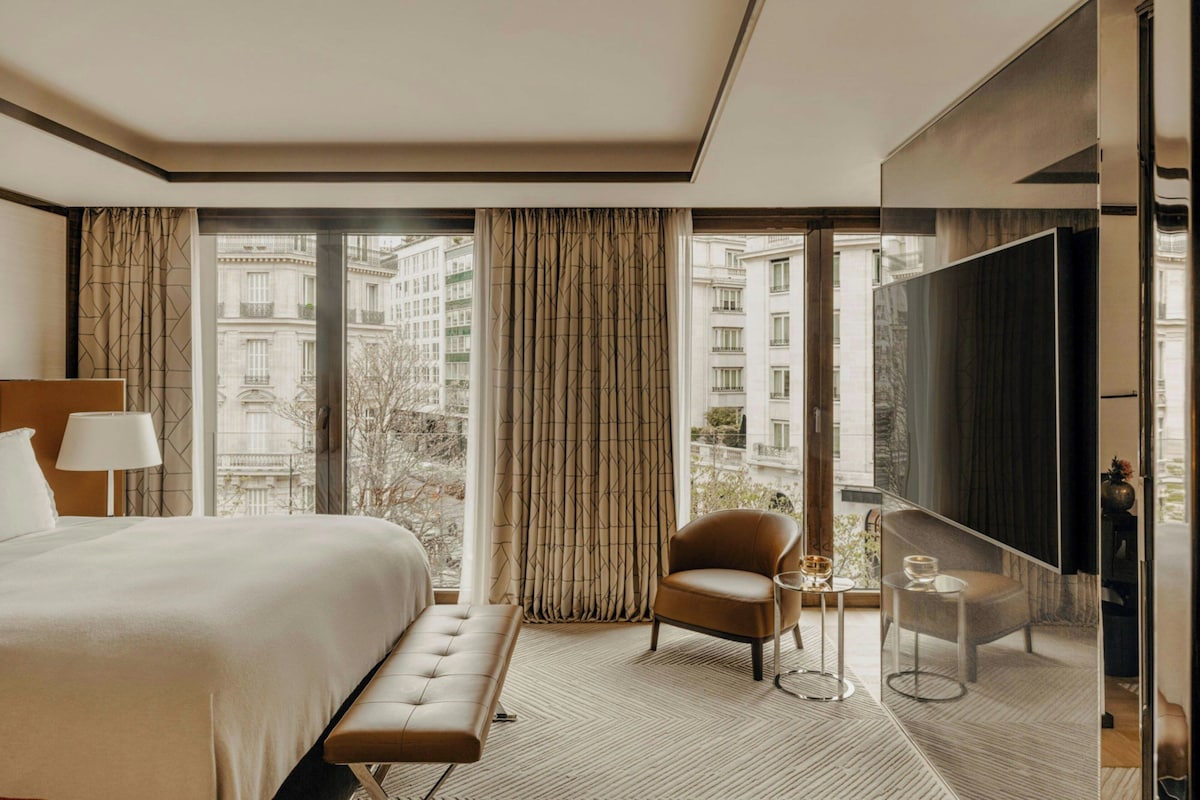
Bulgari’s jewelry designs find an architectural expression at its Paris hotel: the Parentesi motif runs along the facade, while the house’s eight-point star appears inside. Designed by Antonio Citterio and Patricia Viel’s ACPV Architects, the 76-room-and-suite hotel brings a distinctly Italian character to Avenue George V in the Golden Triangle. Marble, silk wallcoverings and varnished eucalyptus woodwork sit alongside lacquer, parchment and straw marquetry crafted by French artisans. That exchange between Italian design and French craft extends to Il Ristorante – Niko Romito, set in a private garden, where Parisian-style banquettes are made in Italy and the menu centers on contemporary Italian cooking.
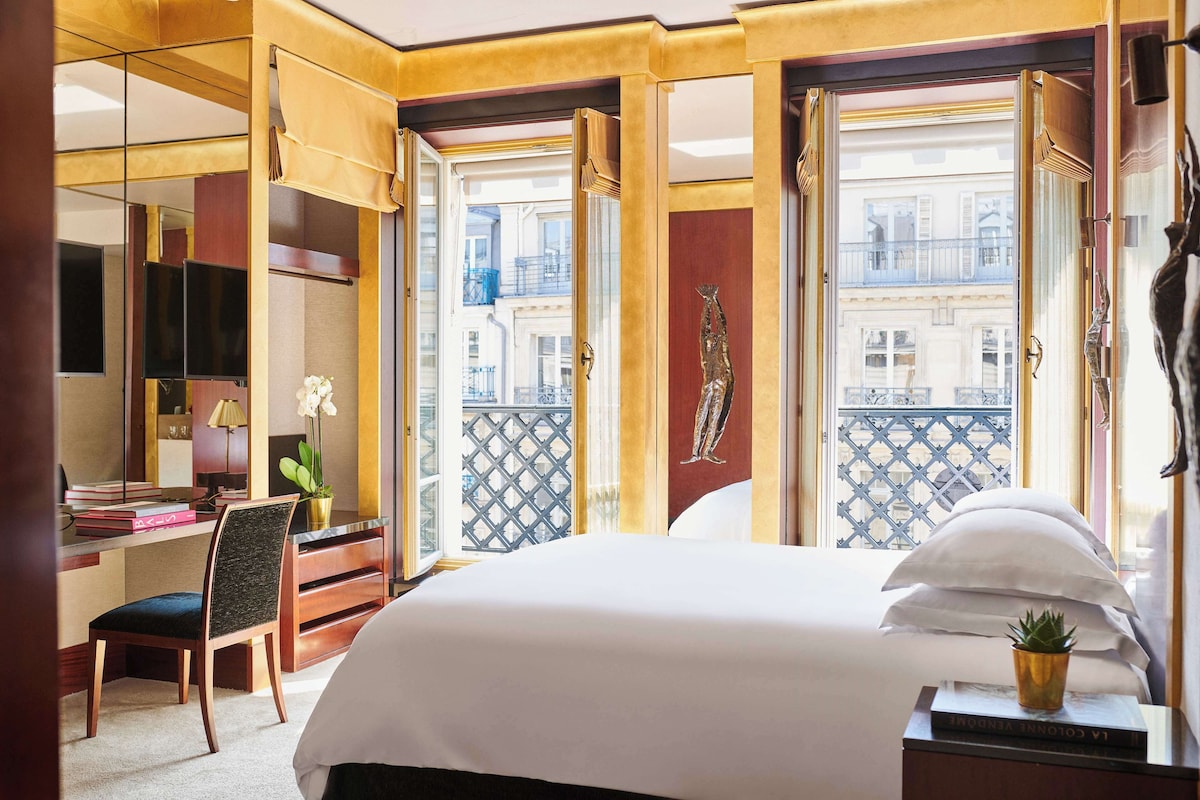
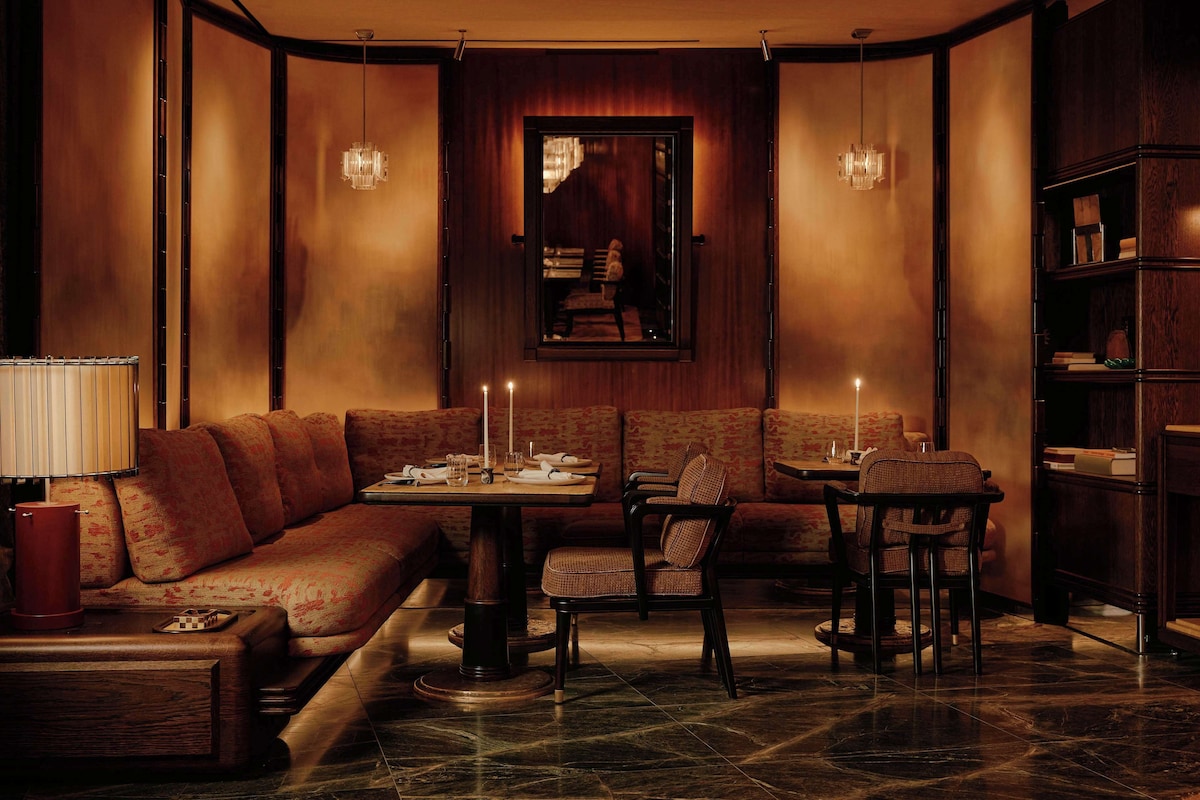
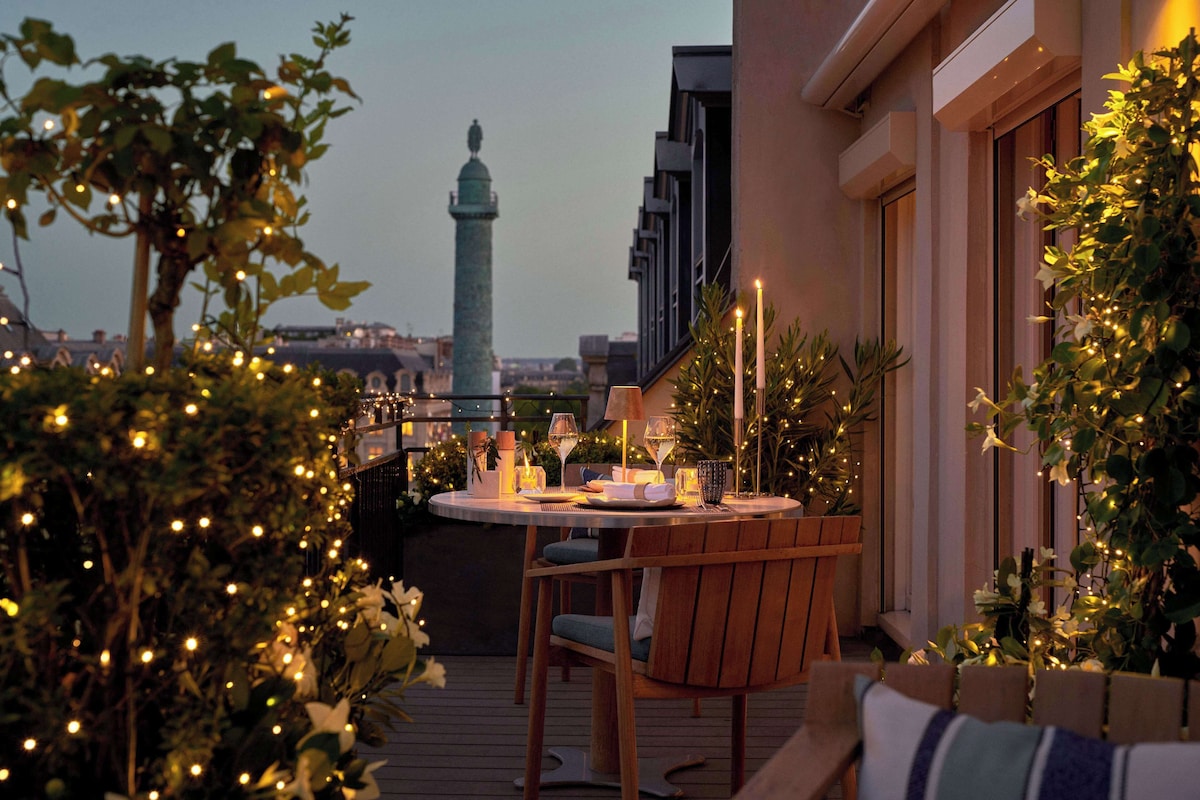
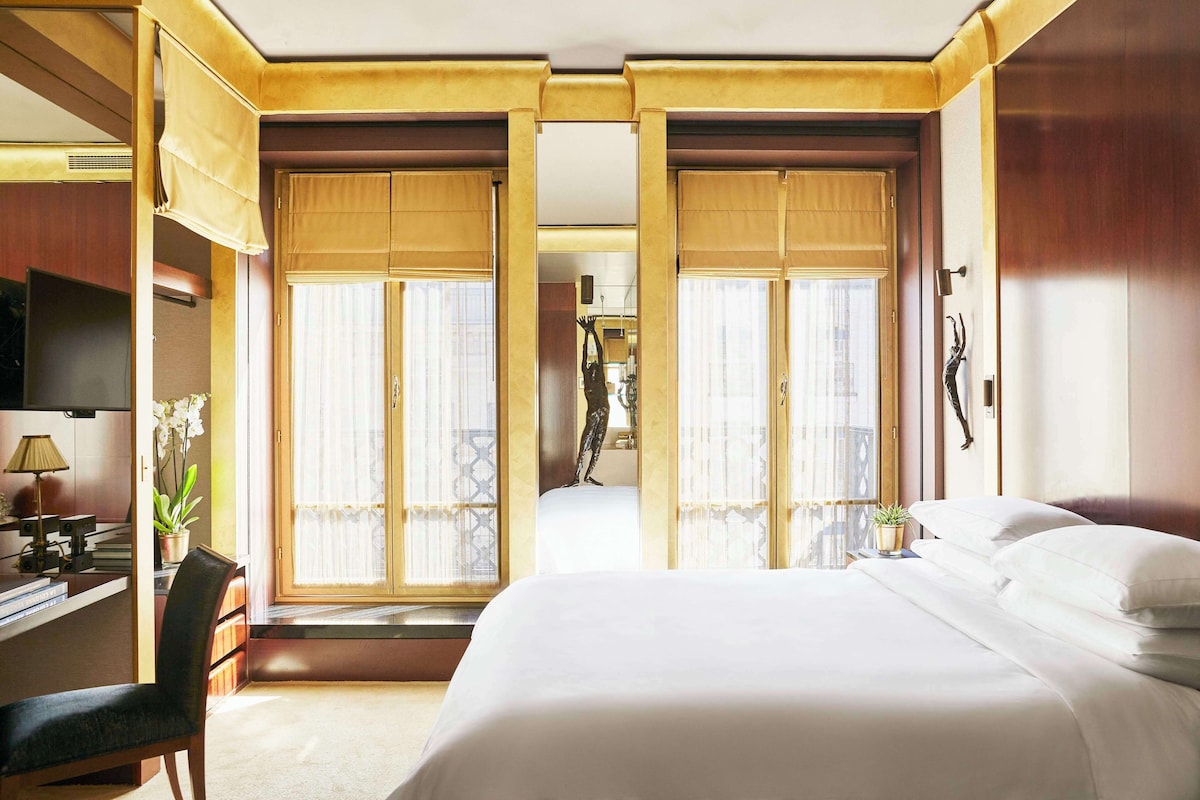
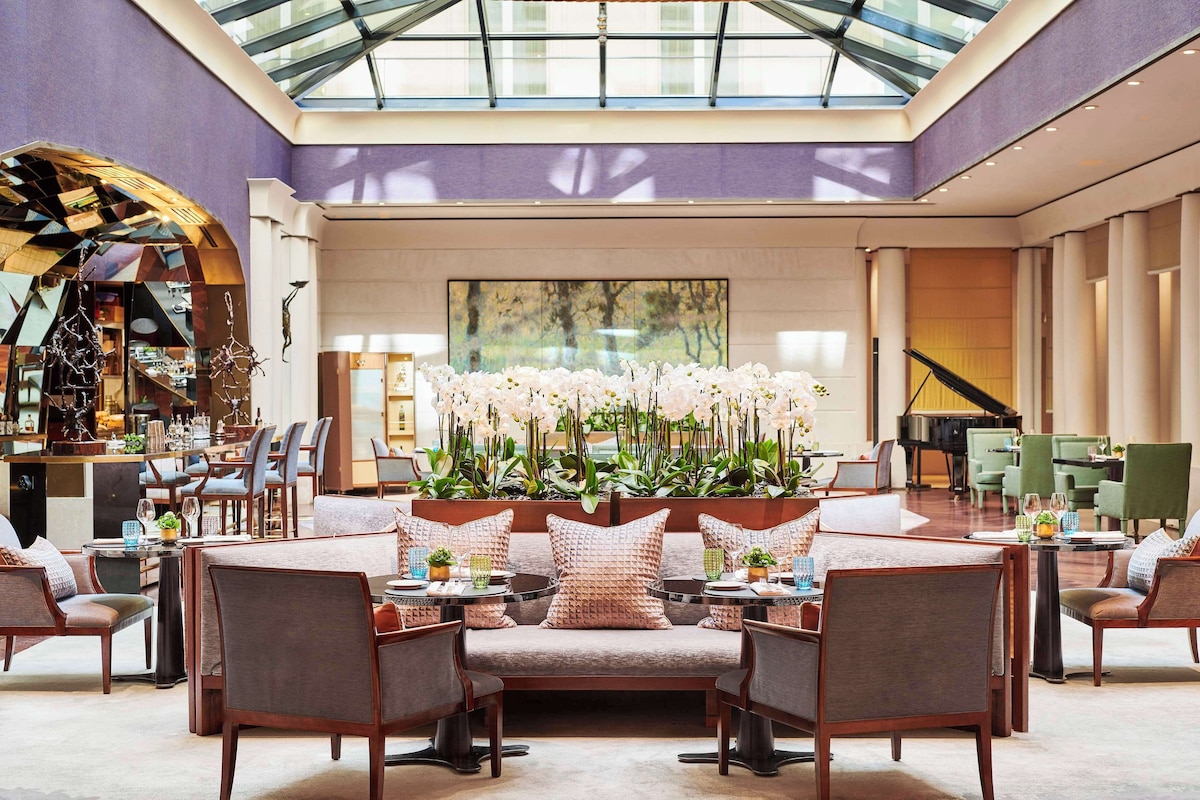
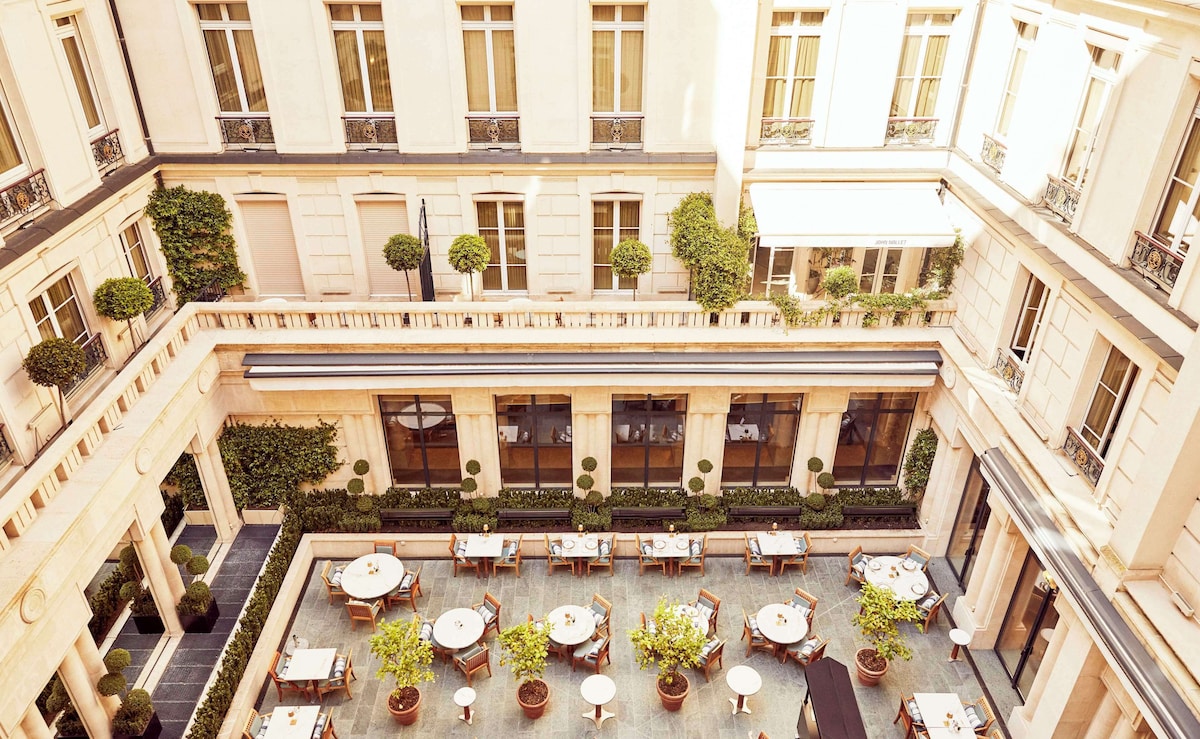
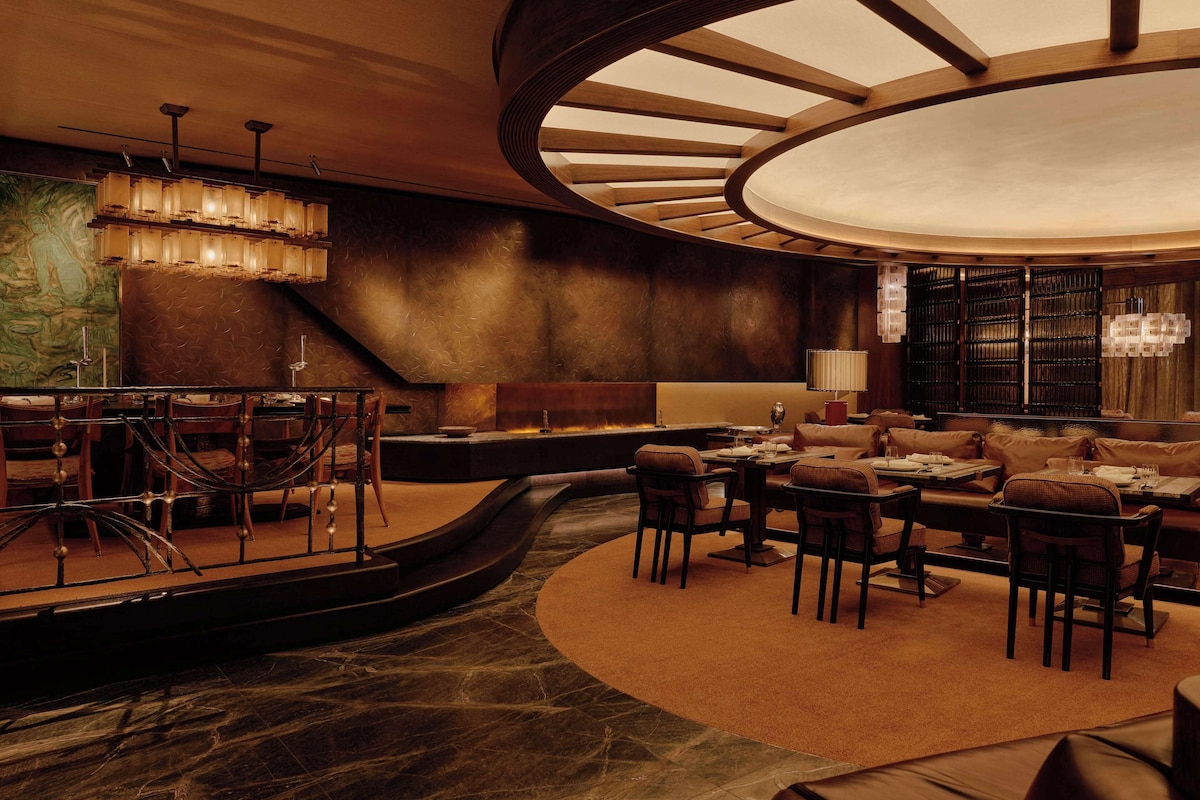
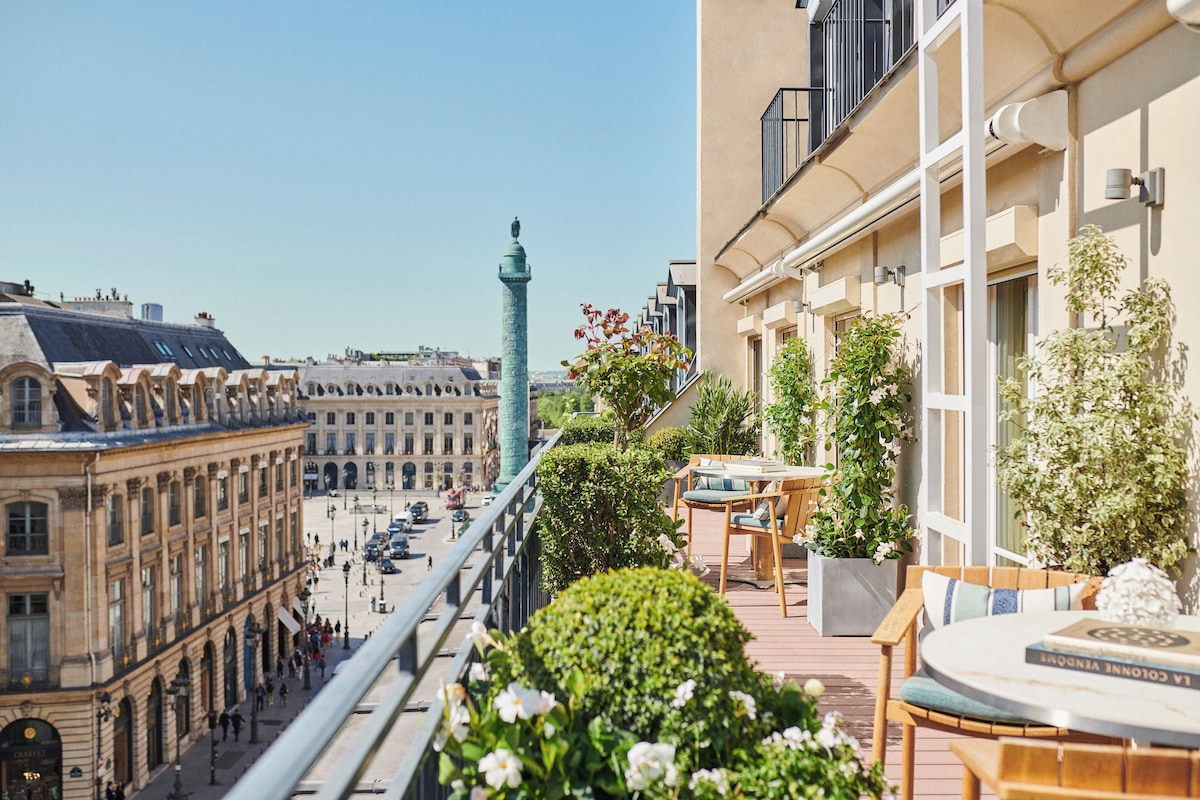
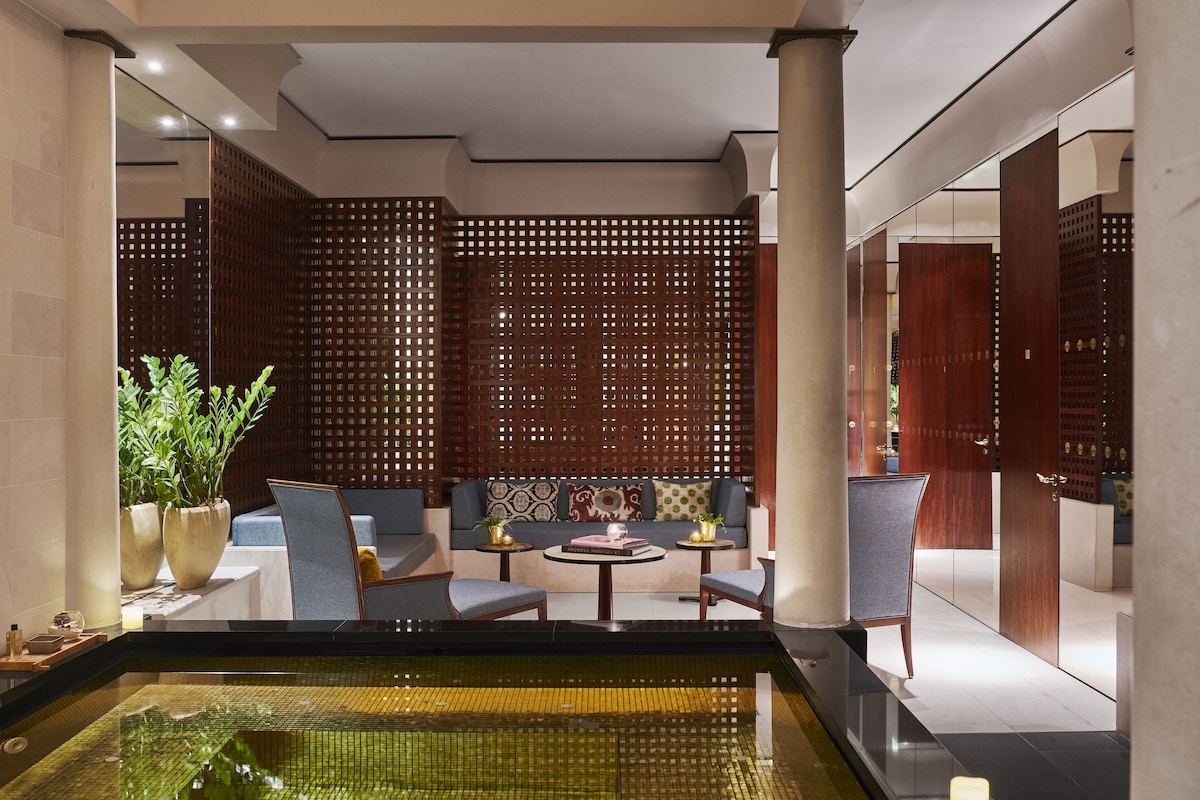
A terrace sheltered by historic facades gives Park Hyatt Paris-Vendôme an inward-looking center just steps from Place Vendôme. On Rue de la Paix, the hotel pairs classical architecture with contemporary art and residential interiors. Rooms look onto the courtyard or street, with limestone bathrooms, deep soaking tubs and separate rainfall showers; some add private balconies. Dining is a reason to spend time here: at Michelin-starred PUR’, artist-architect Hugo Toro’s design allows chef Jean-François Rouquette to move among his guests, while SEOK by Mingoo Kang explores Korean cooking rooted in Seoul’s traditions. Café Jeanne supplies a more informal rhythm, serving breakfast through late-night cocktails by the fireplace or on the terrace.
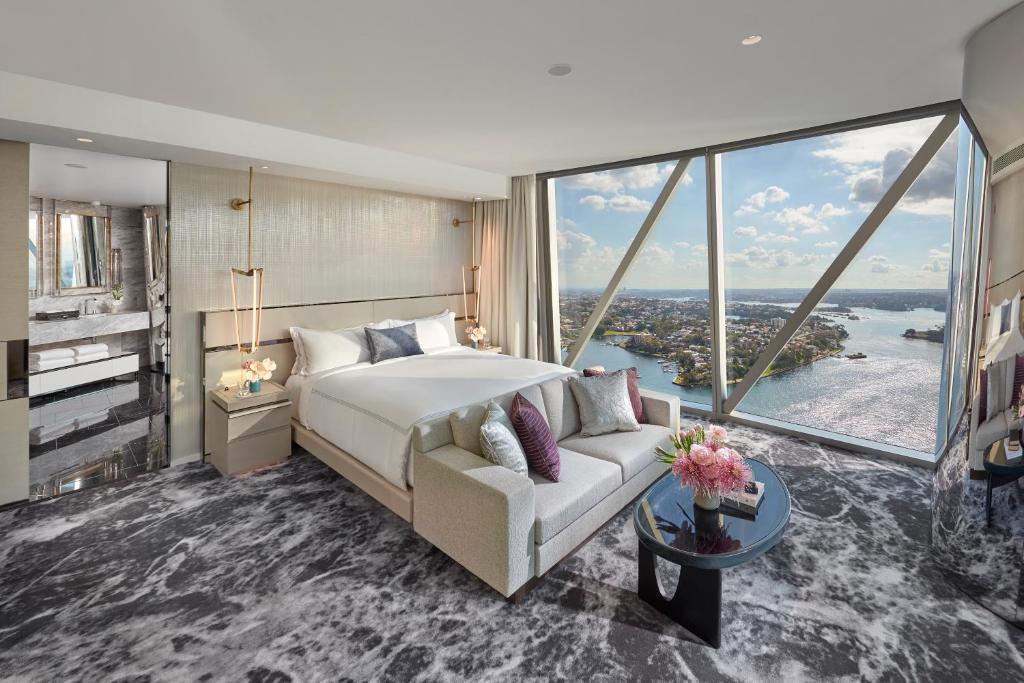
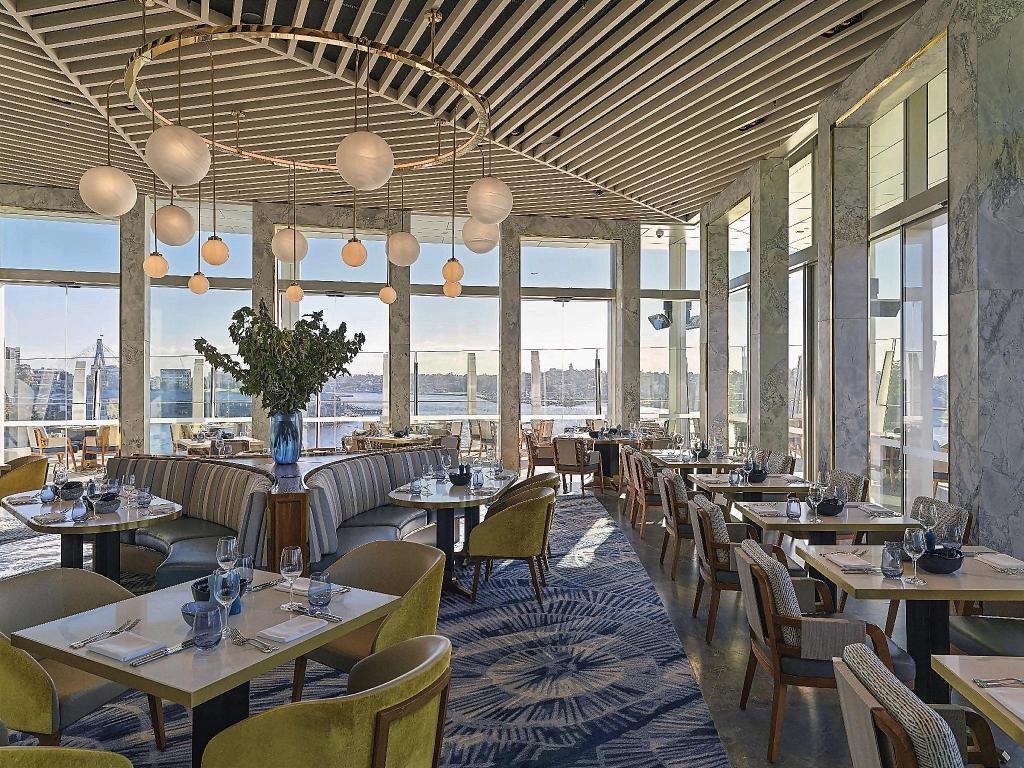
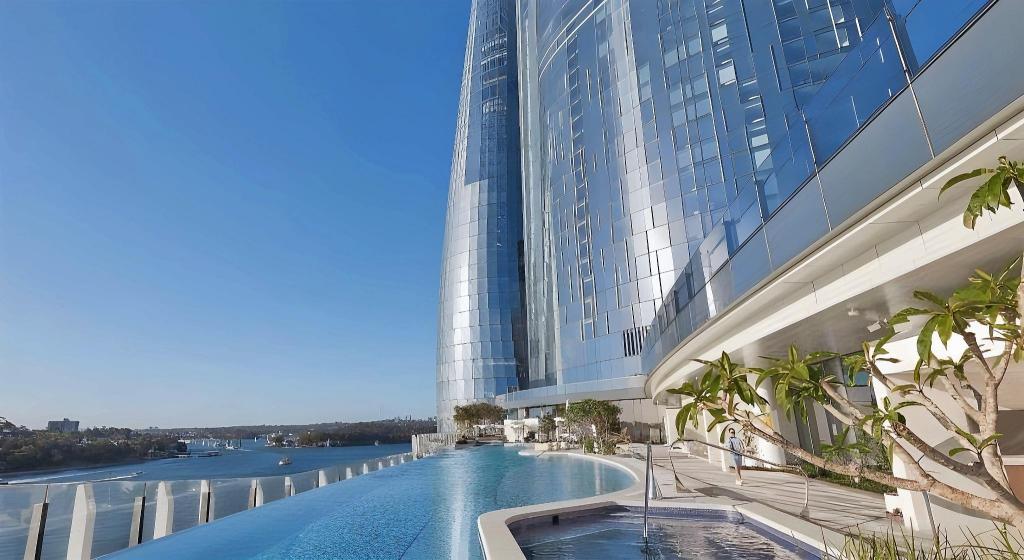
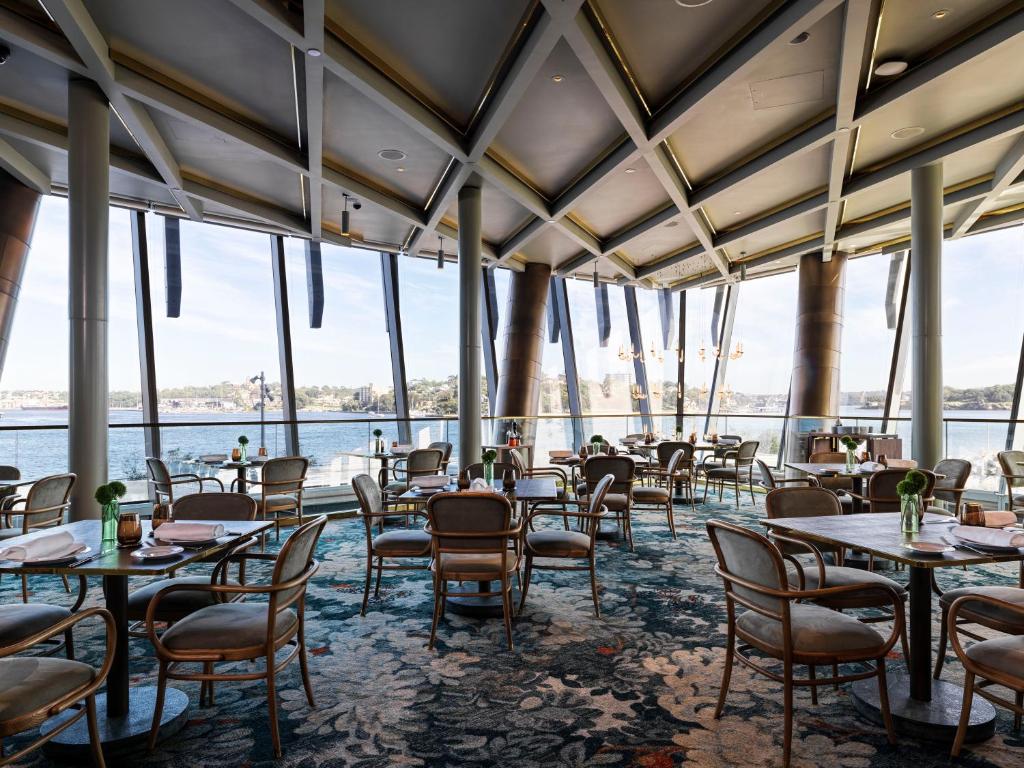
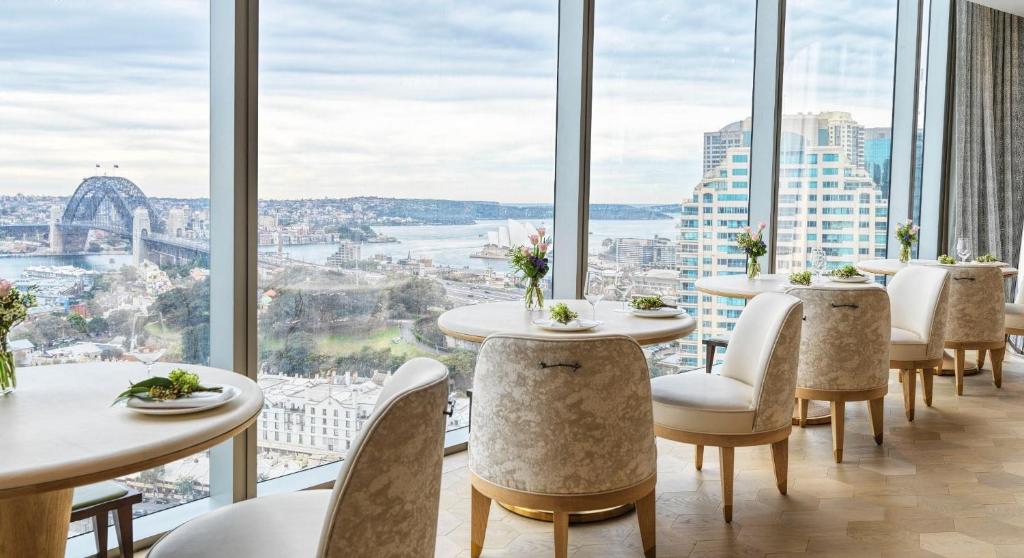
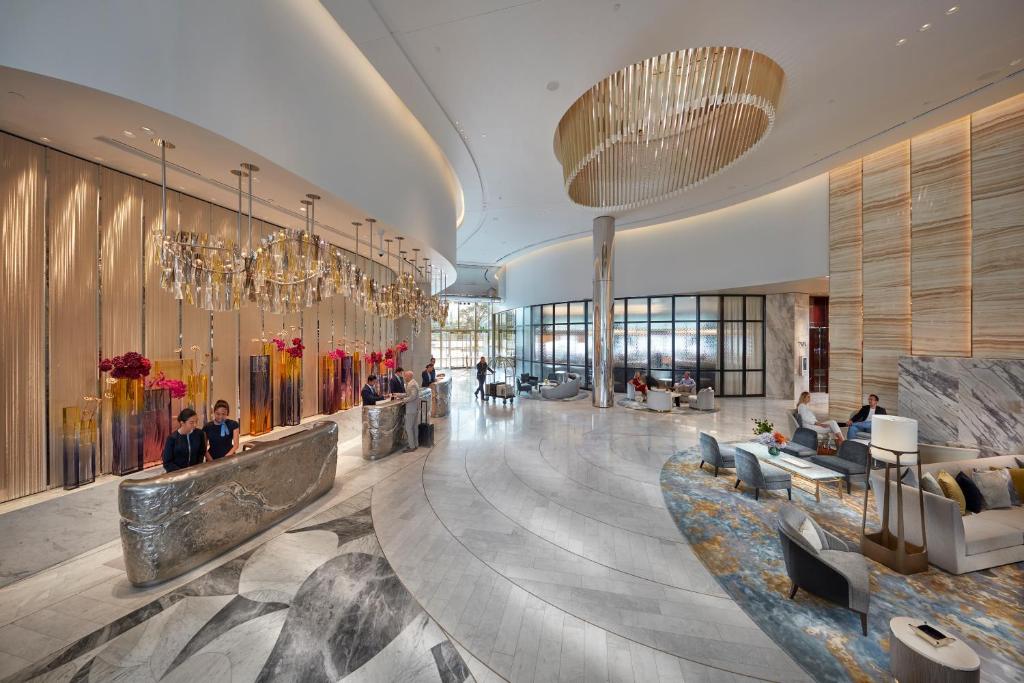
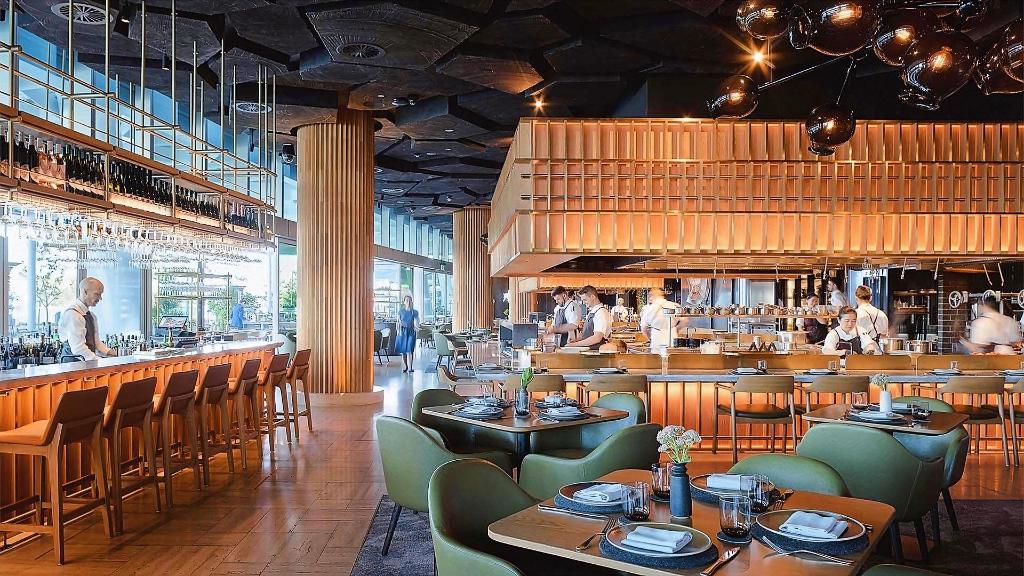
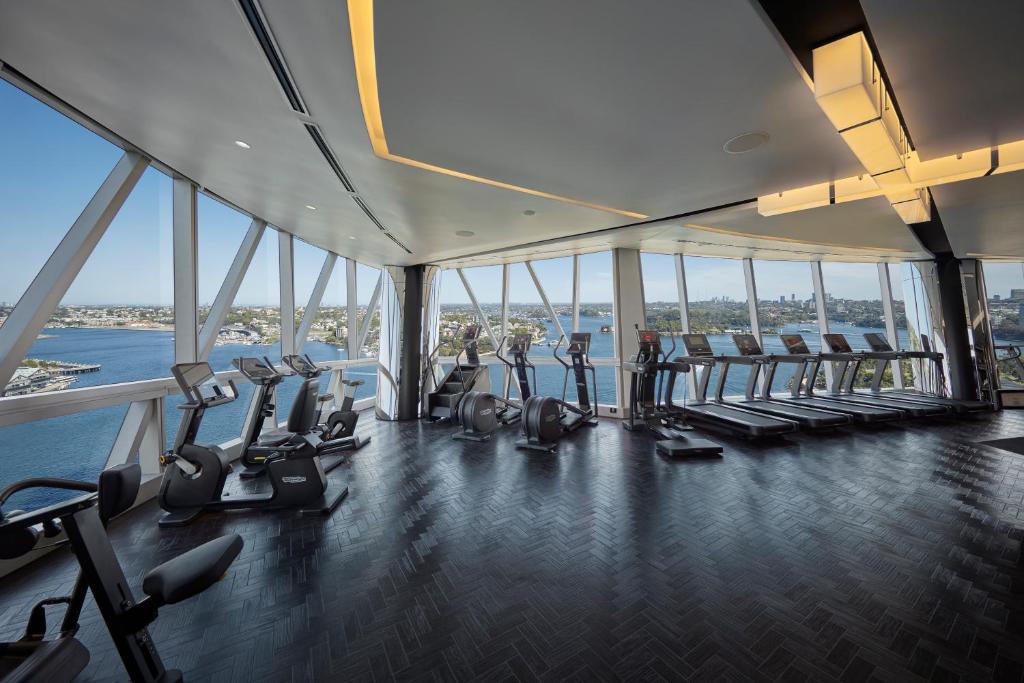
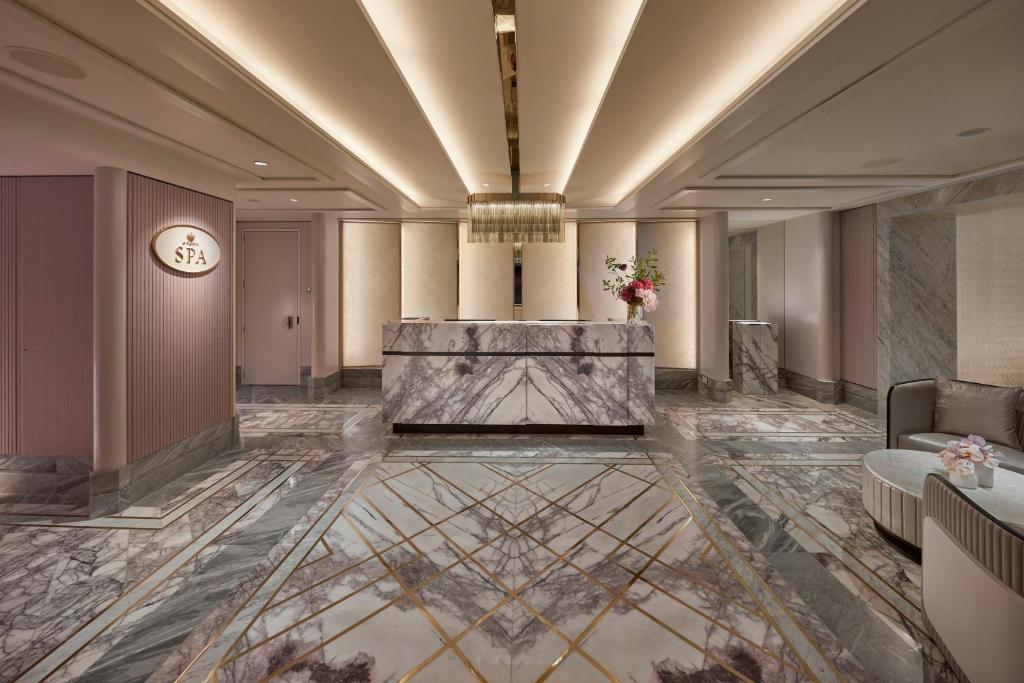
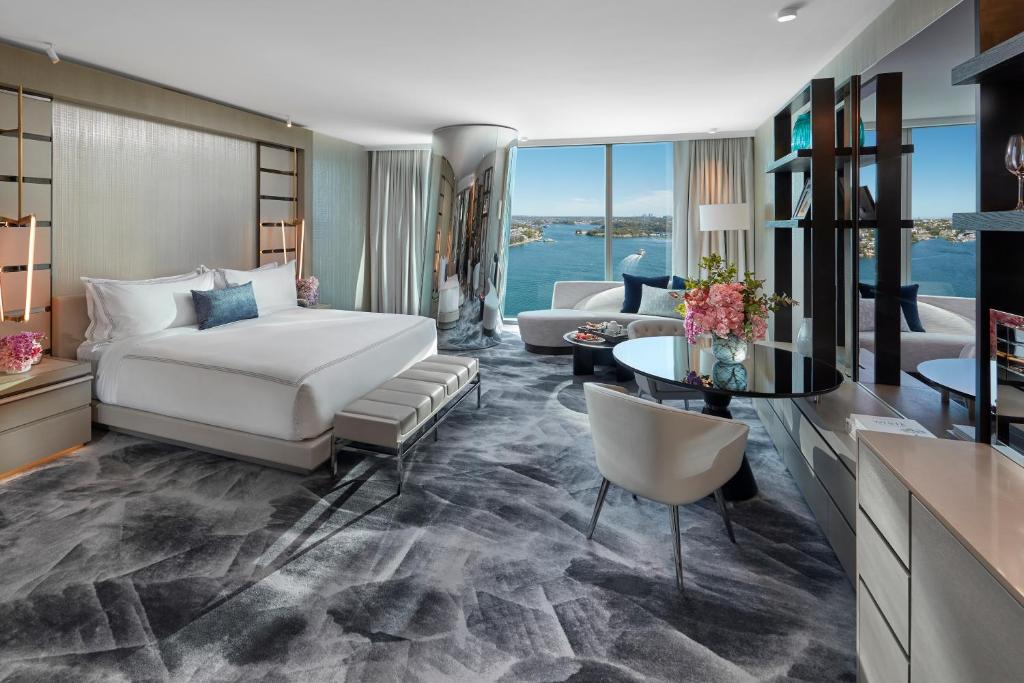
Three petal-like forms twist skyward at Crown Sydney, giving Wilkinson Eyre’s Barangaroo tower a sculptural presence on the harbor. That unusual shape carries through to the accommodation, where room layouts vary and interiors by New York studio Meyer Davis pair natural and aqua tones with a residential feel. Views of Sydney’s skyline anchor the experience, whether from the rooms or the heated harbor-facing pool with its private cabanas. Restaurants including Nobu, a’Mare, and Woodcut give guests reasons to linger over dinner, while Barangaroo’s parklands, public art, and laneway bars provide a neighborhood to explore beyond the tower.